Generator Synchronizing Panels: How They Improve Energy Efficiency

Introduction to Generator Synchronizing Panels

In a world where uninterrupted power supply is no longer a luxury but a necessity, especially for businesses and industries, the role of backup generators has become undeniably crucial. But what happens when a single generator isn’t enough to meet the growing energy demands of an operation? Or when businesses need a seamless transition between multiple power sources to avoid even a split-second of downtime? That’s where Synchronizing Panels step in.

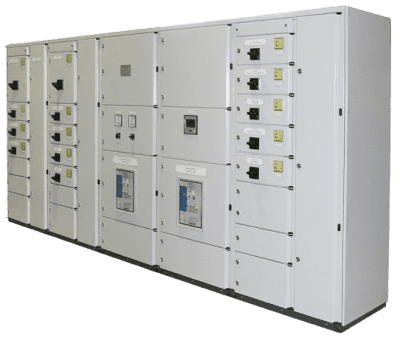
Synchronizing panels are sophisticated control units designed to manage the operation of multiple generators, ensuring they work together harmoniously to deliver a stable, uninterrupted power supply. Think of them as the conductor of an orchestra, coordinating various instruments (generators) to play in perfect harmony. Without synchronization, connecting multiple generators could result in power fluctuations, equipment damage, or even complete system failure.

For businesses, especially B2B clients handling sensitive data centers, manufacturing plants, hospitals, or commercial complexes, having a reliable synchronizing panel isn’t just a technical requirement; it’s a strategic investment in operational continuity. At Synchro Electricals, we specialize in providing tailor-made synchronizing panels engineered to meet the exact demands of modern businesses while improving overall energy efficiency.

What Are Synchronizing Panels?

To put it simply, a synchronizing panel is an electrical control system designed to connect multiple generators to a common power bus in a synchronized manner. It ensures that all the generators involved share the load equally and operate within the same voltage, frequency, and phase sequence before being paralleled.

But why is this synchronization necessary? Picture this: if one generator operates at 50 Hz and another at 49.5 Hz, connecting them directly can cause severe damage to your electrical systems. Synchronizing panels prevent this by aligning the electrical outputs before they’re connected to the load, ensuring smooth, consistent power delivery.

These panels aren’t just limited to generators either. They can also synchronize grid power with generator sets, making them incredibly useful during load shedding or maintenance periods. The advanced control systems in these panels monitor, manage, and adjust the power inputs and outputs, maintaining optimal balance and preventing overload or underperformance.

With the increasing reliance on backup power solutions, especially among B2B industries such as telecom, IT, healthcare, and manufacturing, the need for high-performance synchronizing panels has surged. This is where Synchro Electricals comes into play, offering robust, reliable, and customizable synchronizing panel solutions designed specifically for industrial and commercial clients.

Why Are Synchronizing Panels Essential in Modern Power Systems?

In the current industrial landscape, where downtime can translate to millions in lost revenue, maintaining an uninterrupted power supply is more than a convenience—it’s a business imperative. Synchronizing panels ensure that businesses can switch between power sources or combine them seamlessly without causing operational disruptions.

Here are a few reasons why synchronizing panels are indispensable in today’s power infrastructure:

  • Redundancy and Reliability: They provide a reliable backup power solution by allowing multiple generators to operate in parallel, ensuring that if one unit fails, the others can pick up the load.

  • Scalability: As businesses grow and energy demands increase, synchronizing panels enable the addition of extra generators without major infrastructure changes.

  • Operational Flexibility: They make it possible to prioritize or balance loads based on demand, grid availability, or fuel efficiency.

  • Energy Efficiency: By distributing the load evenly among multiple generators and optimizing their run-time, synchronizing panels reduce fuel consumption and maintenance costs.

Synchro Electricals has been at the forefront of this evolution, supplying state-of-the-art synchronizing panel systems to B2B clients across various industries. Our panels are engineered for durability, precision, and seamless integration into existing power infrastructures.

How Generator Synchronizing Panels Work

Understanding how synchronizing panels function is key to appreciating their value. At the heart of it, these panels ensure that multiple power sources match in voltage, frequency, and phase angle before being connected to a common load.

When multiple generators need to be connected, the synchronizing panel performs several critical checks and adjustments:

  1. Voltage Matching: Ensures all generators operate at the same voltage.

  2. Frequency Matching: Aligns generator frequencies to prevent fluctuations.

  3. Phase Sequence Verification: Confirms that the phase sequences are identical.

  4. Phase Angle Synchronization: Aligns the phase angles to avoid electrical faults.

Once these parameters are aligned, the synchronizing panel closes the circuit breakers, allowing the generators to feed power into the system collectively. It also continuously monitors the operation, adjusting outputs to maintain stability and prevent overloads.

Basic Principles Behind Synchronization

The synchronization process involves several principles rooted in electrical engineering. Here’s a breakdown:

  • Equal Voltage Levels: Generators must have the same output voltage to prevent short circuits or equipment damage when paralleled.

  • Matching Frequencies: Even a slight difference in frequency can cause power fluctuations, leading to inefficiencies and operational risks.

  • Phase Sequence Alignment: Ensures the current flows in the correct sequence to avoid phase clashes.

  • Phase Angle Synchronization: Maintains harmony between the power waveforms of each generator.

Without these alignments, connecting multiple generators can lead to catastrophic failures. Synchronizing panels automate and manage these complex adjustments, ensuring safety, efficiency, and operational reliability.

At Synchro Electricals, our synchronizing panels are designed with these principles at their core. We integrate advanced relays, control modules, and user-friendly interfaces, allowing even non-technical personnel to operate complex power systems with confidence.

Key Components of a Synchronizing Panel

A synchronizing panel isn’t just a simple switchboard. It’s a comprehensive control and protection system built from multiple specialized components that work together to manage generator synchronization safely and efficiently. Let’s break down the essential parts of a synchronizing panel and their roles:

Synchronizing Relays

Synchronizing relays are the brain of the synchronizing process. They continuously monitor the voltage, frequency, and phase angle of each generator. When the readings match the preset synchronization parameters, the relay sends a signal to close the generator circuit breaker, allowing it to connect to the load or busbar. Advanced digital relays can also detect irregularities and prevent synchronization if any parameter is outside the safe range.

At Synchro Electricals, we use precision-engineered synchronizing relays with programmable settings, offering our B2B clients superior flexibility and operational control. This ensures seamless integration of multiple generators with minimal manual intervention.

Circuit Breakers and Control Switches

Circuit breakers in synchronizing panels act as safety barriers, disconnecting generators from the system during faults or irregularities. They open or close the connection based on control signals from the synchronizing relay or manual operation via control switches. These switches allow operators to manually control generator connections during testing, maintenance, or emergencies.

Our panels at Synchro Electricals incorporate high-quality, industrial-grade circuit breakers and control switches that meet international safety standards. This ensures operational reliability and the protection of valuable business assets.

Meters and Indicators

Meters and indicators give operators real-time insights into the system’s operational status. These include:

  • Voltmeter and Ammeter: Monitor voltage and current output.

  • Frequency Meter: Displays the operational frequency of each generator.

  • Phase Sequence Indicator: Confirms correct phase rotation.

  • Synchronization Lamps or Synchroscope: Visually indicate when two or more generators are synchronized.

The detailed monitoring provided by these instruments helps in proactive maintenance and minimizes the risk of system failures. Synchro Electricals ensures all our panels are equipped with intuitive displays and modern digital readouts, making them user-friendly even in high-pressure industrial environments.

The Role of Synchronizing Panels in Energy Efficiency

Synchronizing panels aren’t just about connecting generators — they play a pivotal role in improving overall energy efficiency, which is crucial for businesses striving to lower operational costs and environmental impact. Let’s see how:

Load Sharing and Load Management

One of the main benefits of synchronizing panels is their ability to implement effective load sharing. In situations where multiple generators operate in parallel, each generator must carry an appropriate share of the load. Uneven load distribution can cause generators to either overwork or underperform, leading to inefficiency, higher fuel consumption, and unnecessary wear and tear.

Synchronizing panels automatically balance the load across all connected generators based on their rated capacities and real-time performance. This equal distribution of power not only ensures optimal fuel consumption but also extends the life of each generator.

At Synchro Electricals, our panels come equipped with sophisticated load management software that intelligently forecasts demand and adjusts load sharing accordingly. For B2B clients, this means a consistent power supply without the financial and operational drawbacks of inefficient energy use.

Minimizing Downtime and Fuel Wastage

For industries like healthcare, manufacturing, and data centers, even a momentary power interruption can have disastrous consequences. Synchronizing panels enable seamless transitions between different power sources, such as moving from the main grid to generator power or between multiple generators, without causing any downtime.

By ensuring that backup generators are synchronized and ready to assume the load instantly when needed, these panels eliminate the lag and voltage drops typically associated with manual switching. Additionally, by efficiently managing generator operation based on demand, they prevent unnecessary fuel consumption by shutting down surplus generators during low-demand periods.

Synchro Electricals specializes in integrating advanced automation features into our panels, giving our clients the confidence that their operations remain uninterrupted while minimizing unnecessary fuel expenditure.

Improved Generator Lifespan Through Balanced Operation

Generators, like any mechanical equipment, experience wear and tear over time. Overloading a single generator or forcing it to run continuously without breaks can dramatically shorten its service life. Synchronizing panels help by distributing the operational workload evenly among multiple generators, ensuring none are pushed beyond their designed limits.

This balanced operation not only reduces the frequency of breakdowns but also lowers maintenance costs and extends the usable life of each generator unit. In large-scale B2B operations, where equipment replacement costs can be substantial, this operational longevity translates into significant long-term savings.

At Synchro Electricals, we design our synchronizing panels with the goal of enhancing the overall reliability and lifespan of your power infrastructure, delivering both operational efficiency and cost benefits to our clients.

Benefits of Synchronizing Panels for B2B Clients

For B2B enterprises, reliable power isn’t just a convenience — it’s a critical factor that determines operational continuity, productivity, and ultimately, profitability. Synchronizing panels play a vital role in ensuring this reliability. Let’s explore why they’re an essential investment for business clients.

Reliable Backup for Critical Business Operations

Industries like manufacturing, data centers, telecom, and healthcare simply cannot afford unplanned downtimes. A brief interruption can halt assembly lines, corrupt sensitive data, or jeopardize patient care. Synchronizing panels guarantee that multiple power sources — be it multiple generators or grid-generator combinations — are ready to seamlessly back each other up.

For example, in a manufacturing plant with fluctuating power demands, synchronizing panels ensure standby generators kick in automatically and share the load without delay. This prevents any production interruptions or machinery damage caused by sudden voltage drops. Synchro Electricals offers customized synchronizing panel solutions specifically designed for mission-critical B2B applications, ensuring power security for essential services.

Scalable Solutions for Growing Enterprises

One of the standout features of synchronizing panels is their scalability. As businesses expand and their energy requirements grow, adding new generators into an existing power setup can be complex — unless you have a well-designed synchronizing system in place.

Synchronizing panels make it easy to integrate additional generators without major overhauls. The panels manage these new additions, ensuring they synchronize properly with existing units and contribute effectively to the load. This flexibility allows businesses to scale their power infrastructure incrementally, reducing capital expenditure while maintaining system reliability.

At Synchro Electricals, we prioritize future-proof designs. Our panels are built with modularity and upgradeability in mind, allowing B2B clients to expand their energy setups without costly downtime or infrastructure changes.

Cost-Effective Power Management Strategies

Operational efficiency isn’t just about reliability — it’s also about managing operational expenses. Synchronizing panels contribute to significant cost savings by optimizing generator usage. By efficiently distributing loads and intelligently managing run-times, these panels prevent fuel wastage and reduce generator wear and tear.

For instance, during periods of lower demand, synchronizing panels can automatically switch off surplus generators, keeping only the necessary units operational. This proactive load management cuts down on fuel expenses and lowers maintenance costs, improving your organization’s bottom line.

Synchro Electricals equips all our synchronizing panels with advanced load management features and real-time monitoring tools. This enables B2B clients to track power usage patterns, optimize fuel consumption, and plan maintenance proactively — a smart, long-term investment for operational sustainability.

Why Choose Synchro Electricals for Synchronizing Panels?

When it comes to investing in critical infrastructure like synchronizing panels, choosing the right partner makes all the difference. Here’s why Synchro Electricals stands out as the preferred choice for B2B clients across industries.

Our Custom-Engineered Synchronizing Solutions

We don’t believe in one-size-fits-all solutions. Every business has unique power requirements based on its operational scale, equipment sensitivity, and regulatory compliance needs. That’s why Synchro Electricals offers fully custom-engineered synchronizing panels tailored to your specific application.

Our engineering team collaborates closely with clients to analyze their existing infrastructure, anticipate future needs, and develop solutions that enhance both reliability and efficiency. Whether it’s for a data center requiring zero downtime or a factory seeking scalable load management, we deliver panels that perform under pressure.

Dedicated Support and Maintenance Services

A synchronizing panel is only as reliable as the team supporting it. At Synchro Electricals, we offer comprehensive after-sales services, including on-site installation, commissioning, periodic maintenance, and emergency support. Our technicians are trained to handle complex synchronization systems across diverse industrial sectors.

We also provide system upgrades, software enhancements, and operator training programs to help your staff manage the panels efficiently. This dedication ensures that your investment delivers long-term value while minimizing operational risks.

Proven Expertise in B2B Industrial Applications

With years of experience serving industries such as manufacturing, logistics, healthcare, IT, and commercial facilities, Synchro Electricals has built a reputation for delivering reliable, high-performance synchronizing panels. Our commitment to quality, innovation, and customer-centric solutions positions us as a trusted partner for businesses seeking dependable power management systems.

From handling multi-generator systems for heavy industries to setting up intelligent load-sharing panels for tech parks, our portfolio speaks for itself. When you choose Synchro Electricals, you’re partnering with a brand that understands the B2B landscape inside out.

Conclusion

In today’s competitive industrial environment, where operational uptime is non-negotiable and energy efficiency directly influences profitability, synchronizing panels have become indispensable. These panels ensure that multiple generators and power sources work in perfect harmony, delivering seamless, uninterrupted power to critical operations.

By enabling precise load sharing, minimizing downtime, reducing fuel wastage, and prolonging generator lifespan, synchronizing panels offer tangible operational and financial benefits to B2B enterprises. Whether you’re running a manufacturing facility, managing a large commercial complex, or overseeing a data center, a reliable synchronizing panel system can be the difference between smooth, efficient operations and costly power disruptions.

At Synchro Electricals, we specialize in delivering advanced, custom-built synchronizing panel solutions tailored to your specific industrial needs. Our products are engineered for durability, operational efficiency, and long-term scalability, backed by dedicated support and maintenance services. Partnering with us means investing in power reliability, operational efficiency, and the long-term sustainability of your business.

If your enterprise is ready to optimize its power management infrastructure, boost energy efficiency, and safeguard operations from unpredictable power failures, reach out to Synchro Electricals today. Let’s build a power solution tailored to your future.
FAQs

What industries commonly use synchronizing panels?

Synchronizing panels are widely used in industries that rely on uninterrupted power supply, such as manufacturing plants, data centers, hospitals, telecom infrastructure, construction sites, and commercial office complexes. Any business operation that can’t afford downtime benefits from integrating synchronizing panels into their power infrastructure.

Can I integrate existing generators with new synchronizing panels?

Yes, modern synchronizing panels, like those offered by Synchro Electricals, are designed to be compatible with both new and existing generator systems. Our custom solutions ensure seamless integration with your current infrastructure while enhancing efficiency and reliability.

How does a synchronizing panel contribute to energy savings?

Synchronizing panels optimize generator operations by distributing load evenly, preventing overuse of specific units, and shutting down unnecessary generators during low-demand periods. This intelligent load management reduces fuel consumption, minimizes wear and tear, and lowers maintenance costs, resulting in significant long-term energy savings.

Are these panels suitable for renewable energy systems?

Absolutely. Synchronizing panels can manage synchronization between conventional generators and renewable power sources like solar or wind energy systems. This ensures a stable power supply even when renewable generation fluctuates due to environmental factors, making them essential for hybrid energy setups.

How quickly can Synchro Electricals install a synchronizing panel system?

Project timelines vary based on system complexity and site requirements, but Synchro Electricals is known for prompt, professional installation services. From initial consultation and system design to installation, commissioning, and operator training, we work efficiently to get your power infrastructure up and running with minimal disruption to your operations.

TTA Panel Manufacturers in India: Why They Are Crucial for Industrial Power Systems

In India’s rapidly advancing industrial landscape, the demand for safe, reliable, and efficient power distribution systems is higher than ever before. This is where TTA (Type-Tested Assemblies) panels come into play. As industries expand, the complexity of their electrical systems increases, requiring specialized equipment that not only ensures smooth operations but also complies with stringent safety and performance standards. TTA panel manufacturers like Synchro Electricals are playing a pivotal role in meeting this demand, especially for B2B clients looking to scale operations while minimizing risks. From manufacturing plants to power stations, these panels are the silent backbone ensuring uninterrupted, stable power flow.

India, being a hub for various heavy industries including textiles, pharmaceuticals, steel, and energy, relies heavily on electrical distribution panels that can handle high voltage, minimize downtime, and maximize efficiency. And TTA panels are uniquely qualified for this role. But the manufacturers of these panels aren’t just vendors—they’re strategic partners in a company’s electrical infrastructure journey. This article explores why TTA panel manufacturers, especially trusted names like Synchro Electricals, are indispensable to India’s industrial ecosystem.

Understanding TTA Panels and Their Importance

What Are TTA Panels?

TTA panels, or Type-Tested Assemblies, are low-voltage switchgear and control gear assemblies that have undergone rigorous testing to meet specific international standards, most notably IEC 61439. Unlike custom-built or non-standard panels, TTA panels are pre-tested in factory conditions to ensure they can handle various electrical faults, thermal conditions, and mechanical stresses. This makes them highly reliable and safe for high-demand industrial environments.

These panels are integral to distributing electrical power safely and efficiently across industrial facilities. They act as hubs, channeling electricity to different systems and machinery while protecting the infrastructure from overloads, short circuits, and other electrical anomalies. Designed with modularity in mind, TTA panels offer scalable solutions that can grow with your operational needs. Synchro Electricals takes this a step further by integrating the latest technologies into their panels to enhance performance, monitoring, and fault detection, ensuring that B2B clients get top-tier solutions that evolve with industry trends.

Difference Between TTA and PTTA Panels

While both TTA and PTTA (Partially Type-Tested Assemblies) panels serve similar purposes, the difference lies in the level of compliance and testing. TTA panels are fully tested assemblies; every configuration and component is tested together. PTTA panels, on the other hand, may involve some untested combinations, relying on design rules rather than empirical results. This makes TTA panels far more reliable in real-world industrial conditions.

Synchro Electricals chooses to focus on TTA-certified systems to deliver uncompromised performance and safety to its clients. B2B clients, particularly those in heavy industries and power utilities, understand that the cost of downtime or equipment failure far outweighs the upfront investment in a fully type-tested solution. That’s why working with a trusted TTA panel manufacturer is a long-term strategic decision.

How TTA Panels Support Industrial Operations

Industries operate with high stakes—whether it’s manufacturing schedules, product quality, or energy consumption. TTA panels are engineered to handle high loads with exceptional efficiency, protecting both equipment and personnel. They help manage load distribution, prevent electrical hazards, and maintain compliance with safety codes.

In real-time operations, a TTA panel can prevent cascading failures in a factory by isolating faults and rerouting power. This ensures that operations don’t halt completely, saving companies from costly downtimes. Synchro Electricals designs its panels with this reliability at the core, offering features like intelligent monitoring, remote diagnostics, and quick-service modules to minimize disruption.

Role of TTA Panel Manufacturers in India’s Power Infrastructure

Meeting the Rising Demand of Industrial Power Systems

India’s industrial growth has led to a massive surge in electricity consumption. With digitization, automation, and sustainability becoming critical business pillars, industries need more sophisticated power systems. TTA panel manufacturers are meeting this demand by developing high-quality, efficient systems that reduce energy waste, improve power factor, and support green initiatives.

Synchro Electricals, for instance, is at the forefront of this movement. By focusing on energy efficiency and sustainability, they offer custom panel solutions that help B2B clients meet regulatory standards while achieving operational excellence. Whether it’s supporting a manufacturing unit or a large-scale power grid, the expertise of a reliable panel manufacturer ensures consistent power flow and optimized energy use.

Bridging the Gap Between Design and Deployment

TTA panel manufacturers do more than just assemble parts—they offer complete turnkey solutions, from design consultation to on-site commissioning. One of the major challenges industries face is integrating electrical systems into their existing infrastructure without causing disruptions. Manufacturers like Synchro Electricals bridge this gap by offering end-to-end services, ensuring smooth deployment with minimal downtime.

This includes conducting load analysis, customizing panel configurations, and offering robust after-sales service. For B2B clients, especially in fast-paced sectors, this integrated approach eliminates guesswork and ensures that every panel installed is purpose-built for long-term success.

Contribution to Energy Efficiency and Power Reliability

Energy efficiency is no longer a luxury—it’s a necessity. Industries are under immense pressure to reduce their carbon footprint and improve their energy management. TTA panel manufacturers contribute by incorporating features like intelligent MCCBs (Molded Case Circuit Breakers), energy meters, and remote monitoring systems into their panels.

Synchro Electricals goes a step further by aligning their panel systems with Industry 4.0 standards. Their smart TTA panels offer predictive maintenance alerts, real-time power usage analytics, and compatibility with renewable energy sources. For B2B clients, this translates to more control, less downtime, and significant cost savings over time.

Why Indian Industries Rely on Quality TTA Panels

Compliance with IEC Standards

When it comes to industrial-grade electrical systems, compliance with international standards is non-negotiable. TTA panels that meet IEC 61439 standards ensure a globally recognized level of performance, safety, and reliability. This compliance reassures industries that their electrical systems can withstand extreme conditions without failures, which is critical for high-risk environments like manufacturing plants, chemical industries, and data centers.

At Synchro Electricals, compliance is not just a requirement—it’s a commitment. Every panel they manufacture undergoes stringent quality checks and rigorous testing protocols to align with global benchmarks. For B2B clients, working with a brand like Synchro Electricals means zero compromises. They get peace of mind knowing that the infrastructure powering their operations is robust, reliable, and future-ready.

Synchro’s attention to compliance also ensures that industries face no hurdles during government inspections, insurance evaluations, or international audits—an essential factor for businesses targeting global expansion or collaborations.

Built for High Performance and Safety

Industrial environments are tough. They demand machinery and equipment that can perform consistently under high loads, frequent switching operations, and fluctuating environmental conditions. TTA panels, by design, offer that level of high performance coupled with outstanding safety features like arc flash protection, short circuit withstand capacity, and safe separation between functional units.

Synchro Electricals engineers its panels with premium materials, superior design practices, and advanced thermal management systems to guarantee maximum uptime and minimal risk. Safety is deeply embedded in their panel design, considering not just the operational requirements but also maintenance aspects, ensuring easy access without compromising on worker safety.

When B2B clients choose Synchro Electricals, they invest in solutions that are built to perform and built to protect. This combination of performance and safety makes a measurable impact on operational productivity and risk management.

Customization to Fit Specific Industry Needs

No two industries are the same, and neither should be their power distribution solutions. Synchro Electricals understands that cookie-cutter solutions don’t work when the stakes are high. That’s why they specialize in offering highly customizable TTA panels that are tailored to meet the specific operational demands of different industries.

Whether it’s a pharmaceutical plant requiring dust-proof panels or a renewable energy farm needing weather-resistant solutions, Synchro Electricals delivers. Their engineering teams work closely with clients to understand operational layouts, load types, future scalability plans, and even aesthetic considerations if necessary.

Customization isn’t just about size or color; it’s about function. B2B clients appreciate that with Synchro Electricals, they don’t have to settle for “almost right”—they get exactly right panels, ensuring seamless integration into their existing systems and workflows.

How Synchro Electricals is Leading the Way in TTA Panel Manufacturing

Commitment to Quality and Engineering Precision

At Synchro Electricals, quality is a philosophy, not a checkbox. Each TTA panel is manufactured with meticulous attention to detail, right from raw material selection to the final quality assurance tests. They invest heavily in R&D to stay ahead of technological advancements, ensuring that clients always receive the most innovative, reliable, and future-proof products.

Synchro Electricals’ manufacturing units are ISO certified and equipped with state-of-the-art machinery, including CNC laser cutting machines, automated busbar fabrication systems, and computer-aided testing setups. These capabilities not only speed up production but also ensure consistency and precision, qualities that B2B clients expect from their electrical partners.

Their client-centric approach ensures that every panel is built not just to meet expectations but to exceed them, delivering superior performance that strengthens long-term business relationships.

B2B Solutions Tailored for Industrial Clients

Synchro Electricals isn’t just a manufacturer; they’re a strategic partner for industrial clients. They understand the complex nature of B2B transactions, where considerations like lifecycle cost, service support, downtime minimization, and future-proofing matter far more than just the purchase price.

To cater to this, Synchro Electricals offers a wide range of services including site assessment, load calculation, customization, integration with smart grids, after-sales support, and maintenance training. Their B2B clients, which include some of India’s leading names in manufacturing, pharmaceuticals, and energy, rely on them for more than just panels—they rely on them for comprehensive power management solutions.

This B2B-first mindset has helped Synchro Electricals establish a strong reputation as a trusted partner rather than just a vendor.

Use of Advanced Technology and Automation

In an era where industrial automation and smart manufacturing are redefining productivity standards, Synchro Electricals ensures that its TTA panels are not left behind. They integrate advanced features such as:

  • IoT-enabled monitoring systems
  • Predictive maintenance alerts
  • Smart load management
  • Remote diagnostics via mobile apps

By embracing these technologies, Synchro Electricals empowers its B2B clients to transition smoothly into Industry 4.0 environments. Smart TTA panels not only enhance operational efficiency but also provide actionable insights for energy management, cost control, and preventive maintenance—key factors for maintaining competitive advantage in a hyper-competitive industrial landscape.

Key Industries Benefiting from TTA Panels in India

Power Plants and Utilities

Power generation and distribution companies are among the largest consumers of TTA panels in India. These organizations require highly reliable and rugged systems to manage high-voltage operations while ensuring grid stability. TTA panels provide the safety, scalability, and fault management capabilities essential for these critical infrastructures.

Synchro Electricals designs and manufactures specialized panels for power plants that meet stringent governmental and environmental standards, helping utilities maintain uninterrupted service and regulatory compliance.

Manufacturing and Processing Units

Manufacturing plants, whether involved in textiles, automotive, chemicals, or food processing, operate with complex machinery that demands uninterrupted, stable power. Any downtime or electrical fault can halt entire production lines, leading to massive financial losses.

Synchro Electricals addresses this by offering TTA panels that prioritize operational continuity, quick fault isolation, and easy maintenance. Their solutions ensure that manufacturers can focus on production without worrying about power-related disruptions.

Commercial Buildings and Data Centers

Modern commercial infrastructure and data centers cannot afford even a few seconds of power failure. Data centers, in particular, require extremely robust power distribution systems that can support high loads, backup systems, and advanced fire protection measures.

Synchro Electricals’ TTA panels are crafted to meet these demanding needs, offering high reliability, real-time monitoring, and integration with emergency systems. For commercial B2B clients, partnering with Synchro means getting tailor-made solutions that guarantee business continuity and operational excellence.

Challenges in Choosing the Right TTA Panel Manufacturer

Navigating Through the Overcrowded Market

India’s industrial electrical market is flooded with countless players, all claiming to offer “the best” TTA panels. For a B2B client, this makes the selection process daunting. Many vendors compromise on testing, materials, or after-sales support just to offer cheaper options. However, in the long run, this leads to frequent failures, costly maintenance, and even safety hazards.

Synchro Electricals stands out in this crowded market by maintaining absolute transparency with clients. They back every claim with certifications, client testimonials, and detailed project case studies. This kind of openness builds trust, a vital component when entering long-term business relationships. It’s easy to get lost in a sea of choices, but savvy industrial buyers know that reliability and proven track records should guide their decisions.

Understanding the Technical Specifications

Another challenge B2B clients face is understanding the technical intricacies of TTA panels. Panel capacity, fault level withstand, ingress protection (IP) ratings, and short circuit ratings are just a few of the critical factors to consider. Without proper technical consultation, businesses can easily end up with systems that are either over-engineered (and unnecessarily expensive) or under-capable (and risky).

Synchro Electricals provides detailed technical consultations to ensure that clients receive exactly what they need—nothing more, nothing less. Their expert teams walk clients through every specification and its real-world implications, empowering them to make informed, confident decisions.

Future Trends in TTA Panel Manufacturing

Integration with Renewable Energy Systems

With India aggressively pushing for renewable energy adoption, TTA panels are being adapted to manage distributed energy resources like solar, wind, and biomass plants. Panels now need to accommodate bi-directional energy flow, grid synchronization, and storage integration.

Synchro Electricals is already ahead of the curve, designing panels that can work seamlessly with hybrid power systems. Their innovation ensures that industries can meet sustainability goals without sacrificing power reliability.

AI and Machine Learning in Power Management

Imagine TTA panels that not only distribute power but also predict faults before they happen. That’s where AI and ML technologies are heading. These smart panels will analyze operational data in real-time, learn consumption patterns, and offer predictive maintenance solutions.

Synchro Electricals is actively investing in R&D to incorporate such AI-driven features in their next-generation TTA panels. For B2B clients, this means lower maintenance costs, fewer outages, and smarter energy use—unlocking massive competitive advantages.

Tips for B2B Clients When Partnering with a TTA Panel Manufacturer

Evaluate Experience and Client Portfolio

Before choosing a manufacturer, always assess their experience and the scale of projects they’ve handled. A seasoned player like Synchro Electricals brings decades of industry expertise, ensuring the capability to handle complex and large-scale industrial needs.

Prioritize After-Sales Service

Power systems are not “install and forget” setups. They require periodic maintenance, upgrades, and troubleshooting support. Always partner with a manufacturer who offers robust after-sales support. Synchro Electricals provides full-service packages that include annual maintenance contracts, emergency support, and on-site repair services.

Demand Transparency in Testing and Certification

Make sure your manufacturer provides all necessary compliance documents, test reports, and certification proofs. Synchro Electricals delivers comprehensive documentation that includes design validation, type test certificates, and site test results, making audit trails easy and pain-free for B2B clients.

Case Study: How Synchro Electricals Helped a Manufacturing Giant Boost Power Reliability

Recently, Synchro Electricals partnered with a leading automotive manufacturing unit in India. The client was struggling with frequent power disruptions, causing production delays and mounting losses. After a detailed site audit, Synchro designed a customized TTA panel system equipped with real-time load monitoring, smart switching, and predictive fault analytics.

Within three months of installation, the client reported a 35% reduction in downtime and a 22% improvement in overall energy efficiency. Additionally, maintenance costs fell drastically, and the facility achieved full compliance with updated industrial safety standards.

This success story highlights how Synchro Electricals doesn’t just sell panels—they deliver end-to-end power management solutions that drive real business value.

Conclusion: Partnering with the Right TTA Panel Manufacturer is a Strategic Advantage

Choosing the right TTA panel manufacturer is not merely a procurement decision—it’s a strategic move that impacts operational efficiency, safety, and future growth. As India’s industries embrace greater automation, sustainability, and digital transformation, having a reliable electrical backbone becomes even more critical.

Synchro Electricals has proven itself as a market leader by combining technical excellence, innovation, and a customer-first approach. They don’t just meet standards—they set them. For B2B clients looking to power their ambitions with robust, smart, and scalable TTA panel solutions, Synchro Electricals is the ultimate partner.

Industrial success starts with a stable, smart, and safe power system. Make the smart choice. Choose Synchro Electricals.

FAQs

What certifications should I look for in a TTA panel manufacturer?

Look for IEC 61439 compliance, ISO certifications, and third-party type test reports to ensure quality and safety.

How does Synchro Electricals customize TTA panels for different industries?

Synchro Electricals consults extensively with clients to tailor panel configurations, materials, and features to meet specific operational demands.

Are Synchro Electricals' TTA panels compatible with renewable energy sources?

Yes, Synchro Electricals designs future-ready panels that integrate seamlessly with solar, wind, and hybrid energy systems.

What kind of after-sales support does Synchro Electricals offer?

They offer comprehensive services including installation assistance, annual maintenance contracts, emergency troubleshooting, and upgrades.

How soon can Synchro Electricals deliver TTA panels for large projects?

Delivery timelines vary based on project size, but Synchro Electricals is known for quick turnarounds thanks to their advanced manufacturing facilities.


VCB Panels: How Vacuum Circuit Breakers Enhance Electrical Safety

Introduction to VCB Panels and Their Role in Modern Electrical Infrastructure

In today’s power-driven world, the backbone of industrial and commercial operations is a reliable and secure electrical infrastructure. At the heart of this infrastructure are VCB panels—vacuum circuit breaker panels—that have revolutionized the way electrical systems are protected. For businesses, especially in manufacturing, data centers, and power utilities, a single electrical fault can cost thousands, even millions, in downtime and equipment loss. That’s where VCB panels step in—not just as a piece of electrical equipment but as a shield that ensures operational continuity and safety.

VCB panels are designed to interrupt high-voltage currents in a matter of milliseconds, preventing arc formation and fire hazards. Unlike older technologies such as air or oil circuit breakers, VCBs use vacuum as the arc-quenching medium. The result? A cleaner, more efficient, and safer method to manage electrical faults.

For B2B clients, this isn’t just about choosing a better circuit breaker—it’s about investing in peace of mind. At Synchro Electricals, we understand that your business depends on power quality and safety. That’s why we design VCB panels that go beyond industry standards to deliver unmatched protection and performance.

Whether you’re operating a substation, running heavy machinery, or managing a commercial property, having the right VCB panel in place can mean the difference between a minor hiccup and a catastrophic outage. Let’s dive deeper into the world of VCBs and why they’re becoming the go-to choice for forward-thinking businesses.

Understanding Vacuum Circuit Breakers (VCBs)

So, what exactly is a vacuum circuit breaker, and how does it work? Unlike traditional circuit breakers that use air or oil to extinguish the electrical arc, VCBs use a vacuum as the insulating medium. When a fault occurs and the contacts separate, the vacuum rapidly quenches the arc, ensuring quick disconnection and minimal energy loss.

Key Components of a VCB Panel Include:

  • Interrupter unit: The core where the arc is quenched.
  • Operating mechanism: Controls the movement of contacts.
  • Insulation system: Prevents electrical leakage and ensures user safety.
  • Protection relays and control wiring: Enhances automation and control capabilities.

Vacuum circuit breakers are specifically favored for medium-voltage applications (typically from 11kV to 33kV) and have a much longer service life compared to their air or oil-based counterparts. They’re compact, require minimal maintenance, and can operate for tens of thousands of cycles without performance degradation.

From a B2B perspective, this means fewer service interruptions, reduced maintenance costs, and improved uptime for operations. No wonder VCBs are fast becoming a staple in modern industrial infrastructure.

Why Safety is Paramount in Industrial Electrical Systems

Think of your electrical system like the nervous system of a factory or commercial building. One short circuit, overload, or ground fault can not only halt production but also pose severe risks to life and property. Industrial electrical systems typically deal with high voltages and large current loads—when something goes wrong, the consequences are immediate and potentially devastating.

Common Hazards Without Proper Circuit Protection:

  • Arc flash incidents: These can cause serious injury or death.
  • Fire hazards: Resulting from failed insulation or circuit overloads.
  • Equipment damage: Fault currents can fry sensitive machinery.
  • Unplanned downtime: Every minute of interruption translates to revenue loss.

Regulatory bodies like the International Electrotechnical Commission (IEC) and Indian Standards (IS) mandate strict compliance for circuit protection in industrial setups. VCB panels help businesses meet these compliance benchmarks while significantly reducing the risk of electrical mishaps.

For B2B clients, the safety implications aren’t just operational—they’re financial and reputational. Investing in reliable VCB panels is not an expense, it’s an essential layer of defense that ensures the longevity of equipment, the safety of employees, and the credibility of your brand.

How VCB Panels Enhance Electrical Safety

Let’s get to the crux: How exactly do VCB panels boost safety in real-world scenarios? First off, vacuum circuit breakers are exceptionally efficient at arc quenching. When contacts open in a vacuum, there’s no medium for the arc to sustain itself. This eliminates the risk of fire and minimizes heat generation.

Key Safety Enhancements with VCB Panels:

  1. Instantaneous fault interruption: Reduces energy release during faults.
  2. No risk of oil spillage or fire: Unlike oil circuit breakers, VCBs are clean.
  3. Reduced risk of arc flash injuries: Thanks to quick and enclosed arc suppression.
  4. Remote operation capability: Enhances safety during switchgear maintenance.
  5. Insulation integrity: High dielectric strength of vacuum ensures zero leakage.

VCB panels are also built with fail-safe mechanisms and interlocks. This means even in the event of an operational error, the panel will default to a safe state, preventing accidents.

For industries operating 24/7, like steel plants, data centers, and metro systems, these panels are a lifesaver—literally and figuratively. They not only protect the systems but also the personnel working around high-voltage equipment daily.

Advantages of Vacuum Technology Over Traditional Breakers

So why not stick to the traditional air or oil circuit breakers? The answer lies in performance, reliability, and total cost of ownership. Vacuum circuit breakers outperform other technologies across multiple parameters.

Comparison Table: VCBs vs. ACBs vs. OCBs

Feature VCB ACB (Air Circuit Breaker) OCB (Oil Circuit Breaker)
Arc Quenching Medium Vacuum Air Oil
Arc Quenching Efficiency Excellent Moderate Moderate
Maintenance Frequency Very Low High High
Environmental Risk None Low (Air Emissions) High (Oil Spills, Fire Risk)
Cost Over Life Cycle Cost-Effective High Very High
Size and Compactness Very Compact Bulky Bulky

From the table, it’s clear that VCBs provide a superior return on investment. For B2B clients, this means fewer disruptions, longer equipment life, and enhanced safety, all packed into a compact, cost-effective panel.

Synchro Electricals leverages advanced vacuum interrupter technology to engineer panels that are robust, scalable, and tailored to your operational demands.

Application Scenarios of VCB Panels in B2B Sectors

VCB panels aren’t just technical equipment; they’re strategic assets. Different industries have different power demands, and each one benefits uniquely from vacuum circuit breaker panels. Whether you’re dealing with large-scale energy distribution or mission-critical operations, the use of VCB panels is an absolute game-changer.

1. Power Plants and Electrical Substations

In power generation and distribution, stability and fault management are crucial. Substations deal with high voltages and heavy load switching. A VCB panel helps prevent cascading failures by isolating the fault immediately and precisely. VCBs offer fast and reliable arc suppression, which is essential when working with fluctuating power levels.

2. Heavy Manufacturing and Industrial Plants

Industries such as steel, cement, textiles, and chemicals often operate massive machinery that consumes immense power. Any fault here could result in equipment damage worth millions. With a VCB panel, you not only ensure safety but also increase system reliability and lower maintenance downtime.

3. Commercial Complexes and High-Rise Buildings

In commercial environments like malls, business towers, and IT parks, safety and continuity of power are non-negotiable. A fire caused by an arc flash can damage infrastructure and endanger lives. With VCB panels installed, these buildings enjoy clean switching, minimal wear, and zero oil hazards.

4. Data Centers and IT Infrastructure

Downtime in data centers equals lost data, revenue, and trust. That’s why redundancy and protection are key. VCB panels integrated with intelligent monitoring provide real-time diagnostics and instant fault handling, making them ideal for these sensitive environments.

At Synchro Electricals, our VCB panels are engineered with versatility in mind—customized solutions that serve industry-specific needs while delivering the core promise of safety and efficiency.

Integration of VCB Panels in Smart Electrical Grids

The modern electrical ecosystem is evolving rapidly with the rise of smart grids, IoT, and automation. VCB panels are not just passive breakers anymore—they’re becoming intelligent components of a connected grid system.

1. Remote Monitoring and Control

Our VCB panels at Synchro Electricals come IoT-ready. That means you can monitor load data, fault history, and system health remotely, using SCADA or cloud-based platforms. This capability is essential for large-scale operations that require real-time decisions based on system conditions.

2. Automation and Self-Healing Networks

Smart grids are designed to reconfigure themselves after faults. VCBs support this through automated switching, reducing human intervention and restoring power faster in fault scenarios. This translates to higher reliability and lower operational costs.

3. Predictive Maintenance and AI Integration

Instead of reactive maintenance, smart VCB panels enable predictive analytics. Sensors detect anomalies early, like rising contact resistance or insulation breakdown, so you can take action before a failure occurs. This prevents unexpected outages and enhances safety.

In the digital age, VCB panels are no longer just hardware—they are integrated safety systems that offer intelligence, adaptability, and proactive fault management. Synchro’s smart VCB solutions are tailored for businesses looking to stay ahead of the curve.

Choosing the Right VCB Panel for Your Business Needs

Not all VCB panels are built the same. The right choice depends on your load profile, operational complexity, safety requirements, and future scalability. Whether you’re powering a single unit or an entire plant, Synchro Electricals can guide you through the selection process.

Key Factors to Consider:

  • Voltage rating: Match your system’s voltage level—typically 11kV, 22kV, or 33kV.
  • Short-circuit withstand capacity: This defines how much fault current your breaker can handle.
  • Frequency of operation: Higher switching frequencies demand more durable interrupters.
  • Installation space: Compact designs save room in crowded electrical rooms.
  • Automation compatibility: Integration with SCADA and PLCs for remote control.

At Synchro Electricals, we don’t offer one-size-fits-all. We offer tailored engineering solutions that fit your business’s electrical blueprint. Our team collaborates with facility managers, electrical consultants, and OEM partners to design VCB panels that aren’t just efficient, but future-ready.

Synchro Electricals: Delivering Excellence in VCB Panels

As a trusted name in power solutions, Synchro Electricals is redefining what VCB panels can do for businesses. We combine cutting-edge vacuum technology with robust engineering to deliver products that ensure long-term safety and performance.

Why Synchro Electricals?

  • Innovative Design: Modular, scalable, and easy to integrate.
  • Advanced Safety Features: Built-in arc protection and interlocks.
  • Customized Solutions: Designed per IEC/IS standards to fit client-specific requirements.
  • Support Ecosystem: End-to-end service—from consultation to installation and maintenance.

Our panels are being used across sectors—from steel plants in Raipur to data centers in Bengaluru—and have consistently exceeded performance expectations. We don’t just sell panels; we provide power safety strategies that strengthen your infrastructure.

Every VCB panel delivered by Synchro is a product of rigorous testing, premium components, and precision assembly. That’s how we deliver electrical safety, not just equipment.

Installation and Maintenance Best Practices

Even the best VCB panels need proper installation and regular upkeep to maintain their edge. At Synchro Electricals, we empower clients with detailed protocols and on-ground technical support to get the most out of every system.

Installation Checklist:

  1. Site readiness assessment: Adequate ventilation, spacing, and power requirements.
  2. Pre-commissioning inspection: Check for transport damage or loose components.
  3. Earthing and insulation: Ensure proper ground connections and dielectric clearances.
  4. Interlock verification: Test mechanical and electrical interlocks before energizing.

Maintenance Schedule:

  • Monthly visual inspection: Look for signs of wear, heating, or dust accumulation.
  • Quarterly functional tests: Trip mechanism, relays, and control circuits.
  • Annual contact resistance test: Ensures arc contacts are in good shape.
  • 5-year full service: Includes vacuum interrupter assessment and dielectric testing.

Following these practices enhances the lifespan and reliability of your VCB panels. Synchro also provides AMC (Annual Maintenance Contracts) to ensure your systems stay audit-ready and compliant.

Regulatory Standards and Certifications for VCB Panels

In industrial electrical systems, adhering to global and national standards isn’t optional—it’s mission-critical. Compliance ensures that the VCB panels not only meet minimum safety benchmarks but are also suitable for integration into complex infrastructures. At Synchro Electricals, all our VCB panels are meticulously designed and tested to align with these standards, so clients can operate confidently in any region or sector.

Key Certifications and Standards Include:

  • IEC 62271-100: Governs high-voltage switchgear and controlgear—essential for medium-voltage VCB panels.
  • IS 13118: Indian Standard that lays down specifications for vacuum circuit breakers up to 36 kV.
  • ANSI C37.06 / C37.09: Commonly used in North America for performance and testing protocols.
  • ISO 9001 & ISO 14001: For quality management and environmental responsibility in manufacturing processes.

These certifications aren’t just rubber stamps—they’re guarantees of product integrity. Panels are tested for dielectric strength, short-circuit withstand capacity, mechanical endurance, and temperature rise performance.

What Does This Mean for B2B Clients?

  • Fewer system audits and penalties from local regulators.
  • Peace of mind during insurance and safety inspections.
  • Trust and credibility when dealing with international partners or expanding globally.

Synchro Electricals maintains an in-house compliance team that keeps track of evolving regulations to ensure your investments are future-proof. Our quality assurance process is documented, audited, and consistently improved to meet global benchmarks.

Future Trends in VCB Technology

Technology waits for no one, and VCB panels are evolving too. If you’re a B2B decision-maker thinking long-term, it’s essential to stay ahead of the curve. The future of vacuum circuit breakers lies in smart integration, sustainability, and AI-powered intelligence.

1. Arc Quenching Innovations

New materials like ceramic and advanced composites are making interrupters more durable and responsive. These upgrades are pushing the limits of how quickly and efficiently arcs can be extinguished, resulting in safer, more compact designs.

2. Integration with Renewable Energy

As more industries adopt solar, wind, and hybrid energy systems, VCB panels are being redesigned to handle intermittent generation and bidirectional power flows. Our newer models at Synchro are engineered to support smart energy mix environments.

3. AI and Machine Learning

Imagine your panel telling you it’s about to fail—before it actually does. With AI, VCB panels can now analyze fault trends, wear levels, and operational patterns to predict failures and schedule service alerts.

4. Modular, Scalable Systems

Instead of replacing an entire system, future VCB panels will be modular and plug-and-play, allowing clients to scale up or upgrade without massive overhauls. This means better CAPEX control and ROI.

At Synchro, we’re already integrating some of these next-gen features into our designs, ensuring that your investment today is still relevant five years down the line.

Cost-Benefit Analysis for B2B Clients

Every smart business move comes down to numbers. So let’s get analytical. While the initial investment in a VCB panel may appear higher than older breaker technologies, the long-term financial and operational returns are where the magic happens.

Upfront Costs vs. Lifecycle Value:

Parameter Traditional Breakers Synchro VCB Panels
Initial Equipment Cost Lower Moderate
Installation & Setup Moderate to High Optimized
Maintenance Costs Very High Minimal
Downtime Costs Frequent Rare

Real-World ROI Example:

One of our clients—a 24×7 manufacturing unit in Pune—switched to Synchro’s 22kV VCB panels. Within 18 months:

  • Equipment breakdowns dropped by 67%
  • Insurance premiums were reduced by 25% (due to safety upgrades)
  • Maintenance crew labor hours fell by 40%

That’s what you call power with purpose. By investing in the right safety tech upfront, B2B clients save substantially on operational, insurance, and maintenance costs down the road.

Common Myths About VCB Panels – Debunked

Let’s be honest. There are a lot of misconceptions floating around about VCB panels. And if you’re basing your buying decision on myths rather than facts, you could be risking more than just money.

Myth 1: VCBs Are Too Expensive for Medium-Scale Industries

Truth: With compact designs and improved manufacturing, the cost of VCB panels has come down significantly. Plus, lower maintenance and downtime costs make them more affordable over time.

Myth 2: They’re Complex to Operate

Truth: Synchro VCB panels are designed with user-friendly HMIs, clear labeling, and remote control options, making them easy to integrate even in older systems.

Myth 3: VCBs Require Constant Maintenance

Truth: On the contrary, they’re almost maintenance-free. A basic inspection and test cycle is all that’s needed, unlike oil breakers that require frequent oil filtration.

Myth 4: Not Suitable for Harsh Environments

Truth: With IP54/IP65-rated enclosures, Synchro panels can handle dust, moisture, and corrosive conditions, making them ideal for outdoor and industrial environments.

Myth 5: Only for Large Enterprises

Truth: Whether it’s a textile mill, a solar farm, or a hospital, every facility can benefit from the safety and efficiency of VCB technology.

At Synchro Electricals, we believe in educating and empowering our clients. That’s why we offer demos, webinars, and site visits—so you can see the difference yourself.

Conclusion: Investing in VCB Panels for a Safer Tomorrow

In the evolving world of industrial power systems, safety, reliability, and efficiency are no longer optional—they’re essential. VCB panels, with their unmatched arc-quenching capabilities and low-maintenance design, are the definitive answer for modern electrical safety challenges. For B2B clients who prioritize uptime, compliance, and cost-efficiency, these panels aren’t just an upgrade—they’re a strategic investment.

At Synchro Electricals, we don’t just deliver products. We deliver peace of mind. Our VCB panels are custom-built, regulation-compliant, and future-ready, giving your business the power to thrive, uninterrupted.

So, whether you’re planning a new facility, upgrading an aging system, or simply looking to make a smart, safe investment, make VCB panels from Synchro part of your power strategy.

FAQs

What makes VCB panels safer than traditional breakers?

VCB panels quench arcs in a vacuum, eliminating fire risks, reducing heat, and offering faster fault interruption compared to oil or air-based breakers.

Can Synchro customize VCB panels for unique industry needs?

Absolutely. We offer custom-designed solutions based on voltage levels, space constraints, and automation needs for every industry vertical.

What are the typical maintenance intervals for VCB panels?

Routine visual checks monthly, functional tests quarterly, and detailed service annually are sufficient. Full interrupter testing may be needed every 5 years.

Are VCB panels suitable for renewable energy systems?

Yes, our panels are designed to handle bidirectional power and fluctuations from sources like solar or wind, making them perfect for green systems.

How fast can Synchro Electricals deliver a VCB panel solution?

Depending on specifications, we typically deliver within 4 to 6 weeks, including installation and commissioning support.

What is a Synchronizing Panel? Working, Features & Benefits

Introduction to Synchronizing Panels

In today’s fast-paced, power-reliant world, keeping the electricity flowing seamlessly, especially in industries, data centers, hospitals, and manufacturing units, is non-negotiable. That’s where synchronizing panels come in. These unsung heroes of the electrical world ensure that multiple generators or power sources can work in perfect harmony. Imagine a relay race where runners have to match pace before passing the baton—that’s exactly what a synchronizing panel helps your power sources do.

Why Synchronizing Panels Are Essential in Modern Power Systems

Think about the chaos if multiple generators tried to power a facility without coordinating—it’s a recipe for disaster. Frequency mismatches, voltage fluctuations, or phase differences could damage machinery, halt production, or cause massive energy loss. Synchronizing panels prevent that by matching generator parameters like voltage, frequency, and phase before connecting them to a common busbar.

In large-scale industries, downtime isn’t just an inconvenience—it costs thousands of dollars per minute. By integrating synchronizing panels, businesses ensure there’s always a seamless transfer of power, even when one generator goes offline or additional load requires another to come online.

B2B Relevance – Why Industries Need It

For B2B clients, especially facility managers, electrical contractors, and OEMs, the need for synchronization is critical. Whether it’s maintaining continuity during load shedding, balancing loads across multiple generators, or switching between utility and generator power, a synchronizing panel is the brain behind the operation.

And when it comes to robust, scalable, and reliable solutions, Synchro Electricals stands out. With cutting-edge technology, expert engineering, and a keen focus on industrial demands, Synchro’s panels don’t just synchronize generators—they synchronize success.

What is a Synchronizing Panel?

A synchronizing panel is an electrical control unit designed to match the output characteristics of multiple power sources—typically diesel generators—before connecting them in parallel. In simple terms, it’s like a conductor of an orchestra, ensuring every instrument (generator) plays in harmony without clashing notes.

Definition and Basic Concept

At its core, the panel monitors and adjusts parameters like:

  • Voltage
  • Frequency
  • Phase angle
  • Load sharing

This helps combine multiple power sources into a single unified stream of power without damaging the system or the generators. It also helps in load management—distributing the load equally or based on a programmed logic between generators.

How It Fits into Electrical Systems

A synchronizing panel sits between the generators and the main power distribution board. When a load demand exceeds the capacity of one generator or in case of utility failure, the panel kicks in, starts additional generators, synchronizes them, and transfers the load smoothly.

In critical applications like hospitals, data centers, or airports, these panels are vital. They ensure that there’s no blackout or brownout, keeping operations smooth and efficient.

Working Principle of Synchronizing Panels

Understanding how synchronizing panels work helps grasp their value. The panel doesn’t just randomly switch generators on or off—it operates on real-time data, ensuring complete harmony between power sources.

Step-by-Step Operation Explained

  1. Monitoring: It constantly monitors voltage, frequency, and phase angle from all power sources.
  2. Initiation: When an additional generator is needed, it is started either manually or automatically.
  3. Matching Parameters: The panel adjusts the speed (RPM) of the incoming generator to match frequency and aligns voltage and phase angle.
  4. Synchronization: Once all parameters are matched, it closes the circuit breaker to connect the generator to the system.
  5. Load Sharing: The panel ensures loads are distributed according to capacity or priority settings.
  6. Shutdown: When extra power is no longer required, it seamlessly removes the generator from the network without disruption.

Key Components Involved in Synchronization

  • Synchronizing Relays
  • Automatic Voltage Regulators (AVR)
  • Frequency Meters
  • Phase Sequence Indicators
  • Load Sharing Modules
  • Governor Controllers

Each component plays a pivotal role in ensuring that synchronization happens without a hitch.

Types of Synchronization

Different applications call for different synchronization methods. Depending on the level of automation and complexity, synchronizing can be manual, semi-automatic, or fully automatic.

Manual Synchronization

Here, an operator is responsible for adjusting the incoming generator manually by observing meters and matching parameters. While cost-effective, it requires skilled labor and is prone to human error. Manual sync panels are typically used in smaller setups or as a backup.

Automatic Synchronization

Automatic systems use intelligent controllers and sensors to match and connect generators with no manual input. These are perfect for large-scale industrial settings where precision and speed are crucial.

  • Faster response times
  • Less human error
  • Remote control and diagnostics

Comparison Table: Manual vs. Automatic

Feature Manual Synchronization Automatic Synchronization
Operator Involvement High Minimal
Accuracy Moderate High
Setup Cost Lower Higher
Maintenance Low Moderate
Best For Small setups Industrial/critical systems

Components of a Synchronizing Panel

The magic of synchronization lies in its components working in unison. These elements together form a powerful system that keeps the electricity flowing efficiently.

Generator Control Units

These act like the brain of the generator. They monitor voltage, speed, temperature, and other critical metrics, ensuring the generator operates within safe limits. Control units are often programmable and interface with remote monitoring systems for better control.

Synchronizing Relays and Timers

Relays ensure the correct timing of synchronization, protecting the system from faulty synchronization. Timers manage the delay sequences for load sharing and ramping up generator power.

Circuit Breakers, Busbars, and Indicators

  • Circuit Breakers: Connect or disconnect generators safely.
  • Busbars: Distribute power between synchronized units.
  • Indicators: Provide real-time visual feedback of system health and synchronization status.

With Synchro Electricals, all these components are of industrial-grade quality, designed for endurance, efficiency, and reliability under harsh operating environments.

Features of a High-Quality Synchronizing Panel

Not all synchronizing panels are created equal. While basic models may do the job, high-performance, future-ready panels offer advanced features that ensure reliability, flexibility, and ease of operation, especially for industrial use.

Intelligent Load Management

Smart load management is one of the most valuable features. A high-quality synchronizing panel automatically senses load changes and adjusts the number of running generators accordingly. Let’s say your factory ramps up production at peak hours—your panel will detect the extra load and start another generator to share the burden. When production slows down, it will shut down the additional unit to save fuel. This not only ensures optimal generator usage but also prevents overloading, thereby extending the life of your equipment.

Remote Monitoring Capabilities

Modern synchronizing panels are integrated with IoT-based control systems, allowing real-time monitoring and diagnostics from remote locations. Whether you’re managing operations from a control room or halfway across the country, remote access gives you complete control over system parameters, generator performance, and synchronization logs. This is particularly beneficial for B2B clients with multiple sites or large-scale infrastructure projects.

Scalability and Modularity

Need to add more generators in the future? No problem. Premium panels, like those offered by Synchro Electricals, are built to scale. They feature modular designs that allow you to add more generators or power sources without overhauling the entire panel. That’s long-term flexibility with minimal downtime.

Key Benefits of Synchronizing Panels

Investing in a synchronizing panel is not just about convenience—it’s about making your power systems smarter, safer, and more efficient.

Improved Power Reliability

Power outages can cripple operations in critical industries. Synchronizing panels ensures that backup generators kick in smoothly and share loads efficiently, eliminating the risks of downtime or production loss. In high-stakes environments like hospitals and server farms, that reliability is non-negotiable.

Optimized Generator Usage

Why run three generators when one is enough? A synchronizing panel monitors load demand and only operates the number of generators required. This helps save fuel, reduce emissions, and cut down on wear and tear, translating to significant cost savings.

Seamless Load Transfer During Power Failures

Load transfer can be a nightmare without proper synchronization. With a synchronizing panel, transitions between grid and generator or between multiple generators happen in real-time, without flickering lights or resetting machines. It’s like shifting gears in a car—smooth and unnoticeable when done right.

Industrial Applications of Synchronizing Panels

Synchronizing panels are not niche products—they’re industry essentials. Here are just a few applications where these panels prove invaluable:

Use in Hospitals, Data Centers, Manufacturing Plants

  • Hospitals: Ensure life-saving equipment never goes offline.
  • Data Centers: Keep servers running 24/7, avoiding data loss or corruption.
  • Manufacturing Plants: Maintain continuous production lines without costly halts.

Each of these industries demands 100% uptime. Even a momentary lapse in power can mean millions lost or, worse, lives endangered.

Role in Continuous Power Supply Systems

Synchronizing panels are vital for facilities that rely on continuous or uninterrupted power supplies. By managing multiple generators or switching between utility and DG (diesel generator) power, they maintain a steady energy flow. From airports and universities to oil rigs and telecom towers, synchronization is the backbone of operational continuity.

Why Choose Synchro Electricals Synchronizing Panels?

When it comes to choosing a synchronizing panel, quality and reliability matter. Synchro Electricals brings to the table unmatched expertise, precision engineering, and customer-focused solutions.

Advanced Technology Integration

Our panels feature top-tier components, cutting-edge microcontrollers, and cloud-based monitoring tools. We don’t just offer hardware; we deliver a smart ecosystem that evolves with your needs.

Custom Engineering for Diverse Requirements

No two businesses are the same, and neither are their power requirements. Whether you need synchronization for two small gensets or an entire generator farm, Synchro Electricals custom-builds each panel to fit your exact specifications. From rugged construction to tailored control logic, we ensure a perfect fit.

Robust After-Sales and Support

Our relationship doesn’t end at installation. With 24/7 technical support, on-site servicing, and annual maintenance contracts, we ensure your panel keeps performing optimally year after year. We also offer training to your staff so they can manage operations with confidence.

Installation & Maintenance Guidelines

Installing a synchronizing panel may seem technical, but with the right approach, it becomes a hassle-free experience. Regular maintenance ensures long life and optimal performance.

Basic Installation Procedure

  1. Site Survey: Identify load requirements and generator capacity.
  2. Panel Positioning: Ensure the panel is placed in a well-ventilated, accessible area.
  3. Wiring & Connectivity: Connect all generators, loads, and utility power to the panel.
  4. Testing & Commissioning: Run simulations to verify synchronization, load sharing, and safety triggers.
  5. Handover & Training: Once everything is validated, train the on-site team for daily operations.

Synchro Electricals provides end-to-end installation services, ensuring a plug-and-play experience.

Tips for Routine Maintenance and Troubleshooting

  • Monthly Inspections: Check relays, indicators, and controller logs.
  • Quarterly Load Tests: Simulate load scenarios to verify panel performance.
  • Firmware Updates: Ensure the software is up to date for optimal compatibility and security.
  • Dust & Moisture Control: Clean internal components and ensure the panel is moisture-free to prevent short circuits.

A well-maintained panel reduces the risk of unexpected failures and extends the system’s lifespan significantly.

Safety Standards and Compliance

Safety is not just a feature—it’s a necessity, especially when dealing with high-voltage equipment and power synchronization. High-quality synchronizing panels must meet stringent safety and international compliance standards to ensure the safety of your operations and your personnel.

IEC and ISO Compliance

At Synchro Electricals, we adhere strictly to globally recognized certifications, including:

  • IEC 61439: This ensures electrical safety, insulation strength, and resistance to mechanical stress.
  • ISO 9001: Our manufacturing and quality control processes follow certified guidelines to guarantee reliability and consistency.
  • CE Certification: Validates conformity with health, safety, and environmental protection standards for products sold within the European Economic Area.

These aren’t just fancy acronyms. They’re your assurance that every panel you install has been tested and built to handle even the harshest industrial conditions.

Best Practices to Ensure Panel Safety

  • Emergency Shutoff Systems: Panels come equipped with manual and automatic emergency shutdowns.
  • Fire Retardant Enclosures: Constructed with materials that contain or slow the spread of fire.
  • Surge Protection: Integrated systems to prevent voltage spikes from damaging sensitive electronics.
  • Clear Labelling and Signage: Every terminal, fuse, and relay is clearly marked to reduce operator error.

By choosing panels from Synchro Electricals, you’re not only investing in technology but also in the safety of your team and your infrastructure.

Cost-Effectiveness and ROI

One of the biggest concerns for any business is cost, and rightly so. But when it comes to synchronizing panels, the long-term return far outweighs the initial investment.

Initial Investment vs. Long-Term Savings

Yes, a high-end synchronizing panel costs more upfront than a basic control panel. But consider this:

  • Reduced fuel consumption by efficiently using only the required number of generators.
  • Minimized downtime, which could save you millions in lost productivity.
  • Extended lifespan of generators and connected equipment due to balanced load sharing.
  • Lower maintenance costs because of smart diagnostics and predictive alerts.

That’s money back in your pocket month after month.

Future Trends in Synchronizing Panel Technology

Power systems are evolving, and so are synchronizing panels. What used to be simple analog units are now becoming intelligent power management centers.

IoT and AI-Driven Smart Panels

Modern synchronizing panels are now embedded with IoT sensors and AI-driven analytics that:

  • Monitor load trends
  • Predict power requirements
  • Alert you before a fault occurs
  • Automate generator scheduling

These systems are essentially “thinking” for you, making decisions in real-time based on live data, not just static programming.

Remote Diagnostics and Predictive Maintenance

Forget manual inspections and guesswork. With remote diagnostics, you can:

  • Track panel health
  • Identify abnormal parameters
  • Predict component failures before they happen
  • Schedule preventive maintenance without disrupting operations

For Synchro Electricals customers, this means smarter panels that reduce human error, cut down costs, and boost uptime.

Customer Testimonials and Success Stories

Real success isn’t measured in specs—it’s measured in stories. Here’s how Synchro Electricals has transformed businesses across sectors:

Industry Case Studies Featuring Synchro Electricals

  1. Pharmaceutical Plant – Hyderabad Faced with frequent power outages affecting production lines, this facility installed a Synchro synchronizing panel for four generators. Result? Zero unplanned shutdowns in 12 months and a 25% reduction in diesel costs.
  2. IT Park – Bengaluru For a tech firm managing sensitive servers, Synchro’s panels offered uninterrupted switchover during utility failures. The IT head praised its seamless integration and minimal human involvement.
  3. Oil Refinery – Gujarat This high-load, hazardous environment required a custom-built panel with explosion-proof housing and remote diagnostics. Synchro delivered, exceeding compliance standards and maintaining 100% uptime during audits.

Measurable Benefits Experienced by Clients

  • 30% fuel savings across average operations
  • 95% reduction in manual interventions
  • 50% faster synchronization times compared to older models

Our panels don’t just power up generators—they power up business success.

Conclusion

Synchronizing panels are the invisible backbone of any modern, reliable, and scalable power system. For industries that rely on continuous electricity—manufacturing, healthcare, IT, oil, and gas—the value of seamless power synchronization cannot be overstated.

With Synchro Electricals, you’re not just buying a panel. You’re investing in peace of mind, operational efficiency, and technological superiority. Whether you’re a facility manager, contractor, or OEM provider, we offer tailor-made solutions backed by world-class engineering and unmatched support.

So the next time you’re planning an electrical setup or considering an upgrade, think smart, think Synchro.

FAQs

What is the difference between a control panel and a synchronizing panel?

A control panel manages a single generator, while a synchronizing panel manages multiple generators and ensures they work together harmoniously.

Can a synchronizing panel work with different generator brands?

Absolutely. High-quality panels from Synchro Electricals are designed to integrate with generators from various manufacturers.

Is it safe to run multiple generators without a synchronizing panel?

No. Running multiple generators without proper synchronization can lead to phase mismatches, power surges, and equipment damage.

How long does installation typically take?

For most setups, installation takes 2–5 days, depending on the complexity and number of generators involved.

What makes Synchro Electricals' panels different?

Our panels are custom-built, future-ready, and designed for intelligent automation with superior support and maintenance service.


What is an ATS Panel? How It Ensures Uninterrupted Power Supply

In the world of industrial and commercial power systems, maintaining a continuous power supply is not a luxury, it’s a necessity. Automatic Transfer Switch (ATS) panels play a crucial role in this equation. Whether you’re running a factory, managing a data center, or operating a hospital, any interruption in power can lead to significant operational and financial setbacks. This article will guide you through everything you need to know about ATS panels, their importance, functionality, and how Synchroelectricals—an industry-leading manufacturer—is helping B2B clients achieve seamless power continuity.


Introduction to ATS Panels

The Critical Role of Power Continuity in Modern Businesses

In today’s hyper-connected world, businesses can’t afford downtime. From manufacturing operations that run 24/7 to critical care units in hospitals that rely on uninterrupted electricity, power continuity isn’t just important—it’s mission-critical. A single second of outage could cost thousands or even millions of dollars, depending on the scale of the operation. Not to mention the potential risks to safety, data, and overall business reputation.

Imagine a server room in a tech firm suddenly losing power—the immediate halt in operations can not only disrupt services but also cause permanent data loss. Now think of an industrial plant with active machinery shutting down unexpectedly. The equipment may need recalibration, or worse, it could suffer damage. This is why Automatic Transfer Switch panels aren’t just valuable—they’re essential for modern businesses.

Why Uninterrupted Power Supply is Non-Negotiable

Electricity disruptions are more common than one might think. Grid failures, scheduled maintenance, natural disasters, or accidents can all lead to sudden blackouts. In such cases, having a backup generator is helpful, but without a smart switching mechanism, your backup system can’t kick in automatically. That’s where ATS panels come in—they bridge the gap between power loss and generator activation without any human intervention.

B2B clients, particularly those in sectors like manufacturing, IT, or healthcare, understand the importance of uptime. An ATS panel provides that layer of security, ensuring operations continue smoothly. At Synchroelectricals, we specialize in crafting ATS panels tailored for high-performance, high-stakes environments, giving businesses the confidence to operate round the clock.


Understanding the Basics of an ATS Panel

What Does ATS Stand For?

ATS stands for Automatic Transfer Switch. It is a device that automatically switches the power supply from the main utility source to a standby generator or alternative source in the event of a power outage. Once the primary power source is restored, it switches back automatically. This seamless transition is the magic behind keeping the lights on and the machines running.

In simpler terms, think of an ATS like a traffic signal at a power intersection—it intelligently directs where the current should flow from based on availability, ensuring there’s no halt in energy delivery.

Core Functionality of an ATS Panel

The core job of an ATS panel is to detect power failures and instantly transfer the load to a secondary power source—typically a generator. But the real beauty lies in its automation. Without manual involvement, the ATS senses a drop or complete loss in voltage from the main supply and immediately signals the generator to start up.

Once the generator reaches operational parameters, the ATS reroutes the load, ensuring uninterrupted operation. When utility power returns, the ATS smoothly transitions back, often with built-in delay mechanisms to avoid damage due to voltage spikes or unstable restoration.

Synchroelectricals has refined this process through smart ATS solutions that provide lightning-fast switching, precise load management, and fail-safe technology, making them a favorite among high-demand B2B clients.


Key Components of an ATS Panel

Transfer Switch Mechanism

At the heart of every ATS panel lies the transfer switch. This electromechanical or solid-state device physically shifts the power connection between the utility and generator. Depending on the type of ATS (which we’ll dive into later), this mechanism can be an open, closed, or delayed transition.

High-quality contactors and relays are used to manage high currents safely. Synchroelectricals utilizes premium-grade components to ensure long life and high reliability even under extreme load conditions.

Sensing and Control Units

These intelligent modules are the brains of the ATS. They continuously monitor voltage, frequency, and phase alignment from the utility and backup sources. Upon detecting anomalies like power failure, undervoltage, or phase imbalance, the controller triggers the switch mechanism.

Synchroelectricals’ ATS panels come equipped with advanced microcontroller-based units that not only monitor but also log events for future analysis—perfect for businesses that prioritize preventive maintenance.

Generator Interface

An ATS doesn’t just switch power; it communicates. The generator interface module sends signals to start or stop the generator based on power conditions. It may also monitor fuel levels, runtime, or maintenance requirements, depending on the system sophistication.

At Synchroelectricals, our panels are designed for seamless compatibility with all major generator brands and models. Whether your business runs on diesel or gas backup systems, our ATS panels can handle the load effortlessly.


How ATS Panels Work

Detection of Power Loss

When the ATS panel senses a drop in utility power, usually due to a blackout or fluctuation, it reacts within seconds. Sophisticated sensors pick up on voltage dips and frequency changes that are beyond acceptable limits. This instant detection is crucial in minimizing downtime.

Synchroelectricals’ ATS systems are engineered for ultra-fast response times, ensuring your critical equipment never even notices the power dip.

Switching to Backup Generator

Once the ATS detects a fault in the main power supply, it signals the backup generator to start. As the generator reaches optimal output levels (usually within 5–10 seconds), the ATS automatically disconnects the main line and switches the load to the generator supply.

This transition is smooth and safe, avoiding power surges or fluctuations that could damage sensitive equipment. Our panels also offer options like time delays and voltage stabilizers for sensitive installations.

Automatic Reversion to Main Supply

Once the utility power is back and stable, the ATS doesn’t just switch back immediately. It performs checks to ensure the voltage and frequency are within safe operating limits. After a brief confirmation period, it transfers the load back to the utility line and shuts down the generator.

This process ensures system integrity and prevents unnecessary wear on your backup power system—a critical feature offered in all Synchroelectricals’ ATS products.

Types of ATS Panels

Open Transition ATS

The Open Transition ATS, also known as a break-before-make switch, is one of the most common types used in commercial and industrial applications. This type of ATS disconnects the load from the utility before it connects to the generator. There’s a very brief pause—typically less than a second—where no power is supplied to the load. While this momentary interruption might be acceptable in many environments, it may not be suitable for facilities with sensitive equipment that can’t tolerate even a slight power gap.

Businesses that don’t rely on continuous, uninterrupted operations often opt for this type of ATS due to its cost-effectiveness and simplicity. At Synchroelectricals, we manufacture open transition ATS panels with high-quality components that ensure safe and swift transfer, suitable for B2B clients with less critical load demands.

Closed Transition ATS

A Closed Transition ATS performs a make-before-break transfer. It momentarily connects both power sources (utility and generator) in parallel before switching fully to the backup. This overlap ensures that there’s absolutely no interruption in the power supply, making it ideal for operations where even a millisecond of outage is unacceptable, like in hospitals or high-precision manufacturing.

This type of ATS requires synchronization between the generator and utility power to prevent damage. Synchroelectricals has engineered its closed transition panels to maintain safe overlaps and eliminate back-feed or overload risks. These panels are ideal for mission-critical applications and come with built-in synchronization and protection mechanisms.

Delayed Transition ATS

Delayed Transition ATS adds a deliberate time gap between disconnecting from the utility and connecting to the generator. This “pause” is used to allow residual currents to dissipate, especially in inductive loads like motors or HVAC systems. It protects equipment from potential arcing or mechanical stress caused by abrupt transfers.

For industries running heavy motor loads, delayed transition panels offer a practical balance between protection and automation. Synchroelectricals offers custom solutions that allow for programmable delay intervals to match the specific needs of your equipment.

Soft Load Transfer ATS

The Soft Load Transfer ATS allows for gradual load transfer between power sources. Unlike open or closed transition systems, this type of ATS enables a smooth and seamless transition without abrupt load shifting. It’s perfect for operations requiring load balancing and controlled synchronization, such as large-scale production lines or data centers with tiered power systems.

These panels are often integrated with smart control systems and are capable of sharing loads between the generator and utility during high-demand periods. Synchroelectricals manufactures high-end soft load ATS units tailored for advanced industrial applications, combining peak performance with precision control.


Applications of ATS Panels in the Industrial and Commercial Sectors

Industrial Facilities

In industrial settings, ATS panels are the backbone of operational continuity. From assembly lines to chemical plants, power outages can lead to machinery malfunctions, product defects, and halted production, all of which translate to significant revenue loss. ATS panels ensure that the transition to generator power happens without delay, keeping operations running smoothly.

Synchroelectricals has worked with numerous industrial clients to deliver custom-built ATS panels that match complex load requirements, varying voltage levels, and high fault current scenarios.

Hospitals and Healthcare

In healthcare, every second counts. A sudden power outage can jeopardize lives, especially in operating rooms, ICUs, and emergency departments. ATS panels are indispensable in hospitals, ensuring that critical medical equipment continues functioning without any hiccup.

Synchroelectricals designs ATS solutions that comply with healthcare standards, offering ultra-fast switching times, alarm integrations, and fail-safe redundancies tailored to the medical environment.

Data Centers and IT Hubs

For data centers, downtime isn’t just inconvenient—it’s catastrophic. Power loss can corrupt files, crash systems, and disconnect entire networks. ATS panels ensure continuity for servers, cooling systems, and backup protocols. In these facilities, even milliseconds of delay can be detrimental.

At Synchroelectricals, we provide intelligent ATS panels with remote monitoring, auto-logging, and predictive alerts. These smart features help IT managers maintain uptime and stay proactive.

Commercial Buildings and Retail Spaces

Retail stores, malls, and office buildings depend on uninterrupted lighting, security systems, HVAC, and POS terminals. ATS panels ensure that customer experiences aren’t disrupted, and business continues as usual, even during grid failures.

Our ATS panels at Synchroelectricals are compact, user-friendly, and built to integrate easily into commercial electrical setups. We provide scalable solutions that cater to both small storefronts and large commercial complexes.


Benefits of Installing an ATS Panel

Uninterrupted Operations

The primary advantage of an ATS panel is the assurance of continuous power. Whether you’re running a textile factory or managing a corporate server room, you don’t have to worry about shutdowns, system crashes, or productivity losses. ATS panels step in instantly and invisibly, maintaining operations without missing a beat.

With Synchroelectricals’ panels, you’re not just buying a switch, you’re investing in peace of mind. Our systems react in real time, preventing downtime that could otherwise cost you clients or contracts.

Enhanced Safety and Protection

Manual intervention during blackouts can be risky, both in terms of electrical hazards and system overloads. ATS panels automate this process, eliminating the need for human interaction and reducing the likelihood of error.

Our ATS panels are designed with advanced protection mechanisms: overload relays, surge protection, short-circuit isolation, and thermal monitoring, ensuring your equipment and personnel stay safe.

Reduced Downtime and Financial Losses

Every minute of downtime equals lost revenue. Multiply that over a month or a year, and the numbers can get alarming. ATS panels drastically reduce downtime, helping businesses maintain continuity and meet deadlines.

B2B clients who’ve installed Synchroelectricals’ ATS panels report measurable increases in productivity and a solid return on investment, thanks to the elimination of power-related disruptions.

ATS Panels vs Manual Transfer Switches

Automation and Efficiency

When comparing ATS panels to manual transfer switches, the key difference lies in automation. ATS panels automatically detect power failure and initiate the backup source, usually within seconds, without human input. Manual switches, on the other hand, require physical intervention, which not only delays the process but also introduces human error risks.

Think about it: in a fast-paced industrial setup or a 24/7 operation, waiting for someone to manually flip a switch can be both impractical and dangerous. Synchroelectricals offers ATS panels that are designed for rapid response and seamless switching, giving B2B clients the efficiency they need to stay competitive.

Safety and Reliability

Manual switches pose significant safety risks, especially in high-load scenarios. There’s always a chance of improper handling, arcing, or even electrocution. ATS panels eliminate those risks by using pre-programmed logic and built-in safety protocols to manage transitions securely.

Moreover, ATS systems can include built-in diagnostics, status indicators, and alarms to notify you of any irregularities. Synchroelectricals’ ATS units come with advanced safety features like load disconnection protection, overload tripping, and voltage imbalance alerts, making them a safer, smarter alternative for industrial and commercial facilities.


Custom-Built ATS Panels by Synchroelectricals

Our Role as a Leading Manufacturer

At Synchroelectricals, we specialize in manufacturing high-performance Automatic Transfer Switch (ATS) panels designed for demanding B2B environments. From concept to delivery, our engineering team works closely with clients to ensure every panel meets exact operational needs, regulatory standards, and safety requirements.

We aren’t just another ATS panel provider—we’re a solutions partner. Our facilities are equipped with state-of-the-art machinery and testing tools that allow us to deliver panels capable of handling complex load systems and harsh industrial environments.

Tailored Solutions for B2B Clients

No two businesses are alike, and we get that. Whether you’re running a multi-floor corporate complex or a heavy-duty manufacturing plant, Synchroelectricals can deliver ATS panels customized for your power requirements, generator specs, and switching preferences.

We offer a wide range of options:

  • Single-phase or three-phase configurations
  • Load ratings from 100A to 4000A+
  • Compatibility with diesel, gas, and hybrid generators
  • Enclosures with IP54, IP65, and NEMA ratings

From oil & gas sectors to data-driven tech firms, our panels have been tested and proven across various industries. Our team also offers post-installation support and routine maintenance services to ensure your systems stay reliable for years to come.

Quality Assurance and Certifications

Every ATS panel that leaves our facility goes through rigorous testing and quality checks. We comply with national and international standards, including IEC, IS, and CE certifications. We use premium components from reputed OEMs and conduct simulated fault condition tests before delivery.

This quality-first approach is why B2B clients across sectors trust Synchroelectricals as their go-to ATS panel manufacturer. With us, you’re not just buying a product—you’re investing in reliability, safety, and long-term performance.


How to Choose the Right ATS Panel for Your Business

Load Capacity and Generator Compatibility

Choosing the right ATS panel begins with understanding your power requirements. Start by calculating your total electrical load in kilowatts (kW) or amperes (A). This figure should include all critical equipment and future load expansions. Next, make sure the panel is compatible with your generator’s voltage, phase, and frequency.

Synchroelectricals provides detailed consultation to help clients select panels that not only match but also optimize their generator setups. We also offer load-balancing solutions to ensure even distribution and maximum efficiency.

Type of Facility and Critical Load Requirements

Different businesses have different power sensitivity levels. Hospitals, data centers, and food processing units may need a closed or soft load transition system, while a retail store might do fine with an open transition ATS.

At Synchroelectricals, we evaluate your operational model, equipment sensitivity, and outage risks before recommending the best type of ATS panel. Our goal is to provide a fit-for-purpose solution that adds real value to your operations.

Budget and Long-Term ROI Considerations

While the upfront cost of an ATS panel might seem like an investment, the long-term ROI is substantial. Consider the financial impact of even one power outage—lost productivity, damaged equipment, and unscheduled downtime. ATS panels save more than they cost.

Synchroelectricals offers competitive pricing and scalable solutions to fit every budget. We also help clients calculate ROI by factoring in downtime reduction, increased uptime, and operational continuity.


Installation and Maintenance of ATS Panels

Professional Installation Guidelines

Installing an ATS panel isn’t a DIY job—it requires certified professionals who understand electrical standards, safety protocols, and load balancing. The panel must be correctly wired between the utility meter, generator, and load distribution board to ensure optimal performance.

At Synchroelectricals, we offer end-to-end services, including installation support and on-site commissioning. Our engineers ensure proper calibration, grounding, and synchronization, helping you avoid issues like back-feeding or delayed switching.

Routine Maintenance Checklist

An ATS panel is a workhorse, but like any machine, it needs regular care. Here’s what a typical maintenance schedule should include:

  • Monthly: Check indicators, perform a visual inspection, and ensure generator communication.
  • Quarterly: Test switch transitions under load, and inspect contactors for wear.
  • Annually: Perform full system diagnostics, replace any worn-out components, and update firmware if applicable.

Synchroelectricals provides a preventive maintenance program that includes all of the above, with documentation and performance audits to keep your system running flawlessly.

Troubleshooting Common Issues

Even the best systems can hit snags. Common issues include delayed switching, failure to detect power loss, or stuck contactors. These are usually caused by component wear, control board faults, or wiring inconsistencies.

Our ATS panels are built with diagnostic capabilities that help pinpoint problems quickly. Plus, Synchroelectricals’ support team is available to assist clients with remote troubleshooting and fast-track on-site repair services if needed.

Safety Standards and Compliance

National and International Guidelines

ATS panels must adhere to stringent safety and performance standards, especially in industrial and commercial environments where the margin for error is zero. Reputable panels are built in compliance with national codes like IS/IEC standards in India, and international guidelines like IEC 60947-6-1, UL 1008, and NFPA 70 (NEC) globally. These standards ensure the ATS panel can safely switch loads, withstand fault currents, and operate reliably under varying conditions.

At Synchroelectricals, every ATS panel is designed and manufactured to meet or exceed these standards. We ensure that the panels are tested for:

  • Insulation resistance
  • Dielectric strength
  • Mechanical durability
  • High fault withstand capacity

This strict adherence to safety codes guarantees that our clients receive equipment that is not only efficient but also legally compliant and certified for worry-free use.

Importance of Certified Installations

Even the best ATS panel can become a hazard if not installed correctly. Non-compliant installations may lead to fire risks, equipment failure, or even legal penalties. That’s why it’s crucial to have the system installed by licensed professionals who understand the regulatory requirements and manufacturer specifications.

Synchroelectricals doesn’t just sell ATS panels—we provide certified installation services across various sectors. We ensure that our panels are integrated seamlessly into your existing power systems, with documentation and testing that aligns with all necessary codes and safety norms.


Trends and Innovations in ATS Technology

IoT and Remote Monitoring

Modern ATS panels are evolving rapidly, thanks to advancements in IoT (Internet of Things) and remote diagnostics. Businesses can now monitor power status, switch performance, and maintenance alerts via mobile apps or centralized dashboards. These smart ATS panels come with internet or GSM connectivity, allowing real-time alerts and remote configuration from anywhere in the world.

Synchroelectricals is at the forefront of this transformation, offering IoT-enabled ATS systems for smart factories, commercial facilities, and remote sites. This tech empowers businesses to stay proactive, reduce downtime, and optimize performance.

Smart Panels and Predictive Maintenance

Beyond automation, smart ATS panels also offer predictive maintenance capabilities. By collecting operational data, such as switching frequency, load variance, and environmental conditions, these panels can forecast when a part is likely to fail. This allows businesses to perform maintenance before an actual breakdown occurs.

Synchroelectricals integrates predictive analytics into its premium ATS models, helping B2B clients shift from reactive to proactive maintenance strategies. The result? Less downtime, lower costs, and longer system lifespans.


Why B2B Clients Trust Synchroelectricals

Industry Experience and Technical Expertise

With years of experience in the electrical manufacturing space, Synchroelectricals has become synonymous with quality, reliability, and innovation. Our ATS panels are trusted across industries—from logistics and healthcare to manufacturing and IT. Our team of engineers, designers, and technicians continuously refines our products to meet the ever-evolving needs of industrial power systems.

We understand the pressure B2B clients face when it comes to power reliability. That’s why we combine robust hardware with intelligent control systems to deliver solutions that never fail under pressure.

Commitment to Excellence in Manufacturing

At Synchroelectricals, we don’t believe in “one size fits all.” Every panel is tailor-made to client specifications, tested under real-world conditions, and backed by industry certifications. We maintain complete transparency in our design and testing processes, allowing clients to witness firsthand the quality control steps we follow.

From premium materials and modular designs to world-class after-sales service, our goal is to help businesses run without interruption, no matter what.


Conclusion

An ATS panel is more than just a switch—it’s the silent sentinel guarding your operations against power interruptions. In today’s world, where every second counts, especially for industries that operate around the clock, investing in an automatic transfer switch is a strategic decision that safeguards productivity, equipment, and peace of mind.

Whether you’re running a manufacturing unit, hospital, server farm, or commercial building, ATS panels ensure seamless transitions between power sources. With advanced features like IoT, predictive maintenance, and intelligent load management, these systems are no longer optional—they’re essential.

As a leading manufacturer, Synchroelectricals takes pride in delivering not just panels but complete power continuity solutions to B2B clients. When you partner with us, you’re not just preparing for a blackout—you’re preparing for uninterrupted growth.

FAQs

1. What is the lifespan of an ATS panel?

Most high-quality ATS panels, like those from Synchroelectricals, can last 15–20 years with regular maintenance. However, their lifespan depends on environmental conditions, usage frequency, and load type.

2. Can ATS panels be integrated with solar power systems?

Yes, ATS panels can be integrated into hybrid power systems that include solar, diesel, or grid supply. Synchroelectricals offers customized panels designed for renewable energy integration.

3. How long does an ATS take to switch power?

Typically, an ATS panel switches within 2–10 seconds after detecting a power loss, depending on the system type and configuration.

4. What is the cost range for industrial-grade ATS panels?

Costs can vary based on load capacity, type (open, closed, delayed, or soft load), and features like IoT connectivity. At Synchroelectricals, we offer scalable pricing to suit small businesses and large enterprises alike.

5. Do ATS panels require regular servicing?

Yes. Routine checks and preventive maintenance ensure that your ATS panel continues to perform optimally. Synchroelectricals provides service contracts to handle periodic inspections, testing, and repairs.

What is a PCC Panel? Understanding Its Role in Industrial Power Management

1. Introduction

A Power Control Center (PCC) panel is an essential component of industrial electrical systems, responsible for efficiently managing and distributing power. These panels regulate electrical loads, ensure operational safety, and optimize energy usage across various industries.

PCC panels are designed to handle high-voltage power distribution from transformers to machines, ensuring a steady and uninterrupted power supply. They are widely used in manufacturing plants, power stations, and commercial buildings to enhance efficiency and protect electrical equipment from potential failures and fluctuations.

2. Understanding PCC Panels

PCC stands for Power Control Center, acting as a centralized unit for power distribution within an industrial setup. These panels consist of multiple circuit breakers, relays, and monitoring devices that help maintain a safe and effective power supply.

PCC panels can be customized based on industry requirements, offering fault detection and prevention features to safeguard expensive industrial equipment. By preventing overloading, short circuits, and power surges, PCC panels play a critical role in electrical safety and efficiency.

3. Key Features of a PCC Panel

A PCC panel offers several important features that make it an essential part of industrial power management:

  • Load Distribution Efficiency: Ensures balanced power distribution, preventing overloads.
  • Protection Mechanisms: Equipped with circuit breakers, fuses, and relays to protect against short circuits and electrical faults.
  • Control and Monitoring Capabilities: Integrated with meters and control switches for real-time power monitoring and control.

These features collectively enhance the safety, reliability, and efficiency of industrial electrical systems.

   4. Types of PCC Panels

PCC (Power Control Center) panels come in various types, depending on their design, configuration, and industrial application. Understanding these types helps businesses choose the most suitable option for their operational requirements.

1. Indoor vs. Outdoor PCC Panels
Based on the installation environment, PCC panels can be categorized as indoor or outdoor types.

  • Indoor PCC Panels are installed within controlled environments such as control rooms or factory floors. These are usually shielded from dust, moisture, and temperature extremes.
  • Outdoor PCC Panels are designed to withstand harsh environmental conditions. They are enclosed in weatherproof, rust-resistant cabinets and often meet IP65 or higher protection ratings, ensuring safety and durability in outdoor settings such as power plants, substations, and oil refineries.

2. Fixed Type vs. Draw-Out Type Panels

  • Fixed Type PCC Panels have components permanently mounted inside the panel. Maintenance or replacement requires a complete system shutdown, making them suitable for less critical operations with infrequent servicing.
  • Draw-Out Type PCC Panels feature modular compartments where individual units (breakers, relays, meters) can be withdrawn without disturbing the rest of the panel. This design allows for easy maintenance, faster troubleshooting, and enhanced safety. These panels are ideal for industries with high uptime demands.

Choosing the right type of PCC panel is crucial for maximizing safety, operational efficiency, and ease of maintenance in industrial power systems.

5. Components of a PCC Panel

A PCC panel consists of various essential components that ensure smooth operation:

  • Circuit Breakers and Contactors: Facilitate switching and protection against electrical faults.
  • Busbars and Relays: Busbars transmit electrical power, while relays detect faults and trigger safety measures.
  • Control Switches and Meters: Used to monitor voltage, current, and power flow.

Each component contributes to maintaining stability and safety in industrial power management.

6. How a PCC Panel Works in an Industrial Setup

A PCC panel ensures the efficient distribution of electricity from transformers or generators to industrial equipment.

  • Role in Power Distribution: PCC panels distribute power efficiently across different facility sections.
  • Integration with Transformers and Generators: Works alongside transformers, generators, and switchgear to maintain a stable power supply.

By offering centralized control, PCC panels help prevent electrical faults and ensure optimized power usage.

7. Benefits of Using a PCC Panel

Industries gain several advantages by integrating PCC panels into their electrical infrastructure:

  • Safety and Protection: Prevents short circuits, overloads, and voltage fluctuations.
  • Load Optimization: Distributes power evenly to avoid overloading or underloading equipment.
  • Energy Efficiency: Helps reduce energy costs and minimize wastage through real-time monitoring.

These benefits enhance productivity, workplace safety, and cost-effectiveness.

8. PCC Panels vs. Traditional Power Distribution Systems

Unlike traditional power distribution systems that rely on direct transformer connections, PCC panels provide a centralized and automated approach.

  • Differences in Operation: PCC panels offer real-time monitoring, fault detection, and protection, while traditional systems lack these capabilities.
  • Cost-Benefit Analysis: Though requiring an initial investment, PCC panels reduce long-term maintenance and downtime costs.
  • Reliability: PCC panels ensure steady and controlled power supply, reducing voltage drops, power surges, and failures.

9. Applications of PCC Panels in Various Industries

PCC panels are widely used across different industries:

  • Manufacturing Plants: Controls power supply to heavy machinery and robotic systems.
  • Power Generation Units: Manages power flow from generators and transformers.
  • Oil and Gas Industries: Ensures continuous power supply to refineries, drilling rigs, and offshore platforms.

10. Installation and Commissioning of PCC Panels

Proper installation and commissioning are crucial for the performance of a PCC panel:

  • Site Preparation: Ensures adequate space and ventilation.
  • Wiring and Cabling Requirements: Connects circuit breakers, busbars, and control switches according to load demands.
  • Testing Before Operation: Includes insulation resistance tests, voltage drop tests, and functionality checks.

11. Maintenance and Troubleshooting of PCC Panels

Regular maintenance ensures a PCC panel operates efficiently:

  • Routine Inspections: Checks for loose connections, overheating, and component wear.
  • Common Issues and Fixes: Addresses voltage fluctuations, circuit breaker trips, and relay malfunctions.
  • Periodic Servicing: Prevents unexpected breakdowns.

12. Safety Measures While Handling PCC Panels

PCC panels handle high-voltage power, making safety a top priority:

  • PPE Requirements: Use of insulated gloves, safety goggles, and rubber-soled shoes.
  • Operator Guidelines: Following lockout/tagout (LOTO) procedures to prevent accidental energization.
  • Emergency Shutdown Procedures: Quick isolation of power in case of faults.

13. Advancements in PCC Panel Technology

Technological advancements are making PCC panels smarter and more efficient:

  • Smart PCC Panels: Integrated with digital meters and automated controls.
  • IoT Integration: Enables remote power monitoring and fault detection.
  • AI-Driven Predictive Maintenance: Uses AI to predict failures and reduce downtime.

14. Cost Considerations for PCC Panels

The cost of PCC panels depends on several factors:

  • Initial Investment vs. Long-Term Benefits: High upfront costs but lower maintenance expenses.
  • Pricing Factors: Includes size, material, automation features, and remote monitoring capabilities.
  • ROI Assessment: Industries can calculate ROI based on energy savings and improved productivity.

15. Conclusion

PCC panels are indispensable for industrial power management, providing efficient power distribution, safety, and energy optimization. Their applications span multiple industries, ensuring reliable operations and cost savings.

With the integration of smart technology, IoT, and AI, PCC panels are evolving to meet modern industrial demands, playing an even bigger role in energy efficiency and automation.

Synchroelectricals – A Trusted Manufacturer of PCC Panels

Synchroelectricals specializes in manufacturing high-quality Power Control Center (PCC) panels, catering to industrial and commercial power distribution needs. Their advanced panels provide superior efficiency, safety, and durability, making them a preferred choice for businesses looking to optimize their electrical systems.

FAQs

What is the main function of a PCC panel?

 A PCC panel distributes power, protects electrical systems, and ensures operational efficiency.

How does a PCC panel differ from an MCC panel?

 A PCC panel manages overall power distribution, while an MCC panel controls electric motors.

Can a PCC panel improve energy efficiency?

Yes, it optimizes power usage and improves power factor correction.

What industries use PCC panels?

Manufacturing, power generation, refineries, and commercial buildings.

What safety precautions should be followed when handling PCC panels?

Use PPE, follow LOTO procedures, and ensure proper grounding to prevent electrical hazards.

Welcome to Synchro Electricals

We provide trusted, high-performance electrical solutions tailored for every industry.

Apply For Job