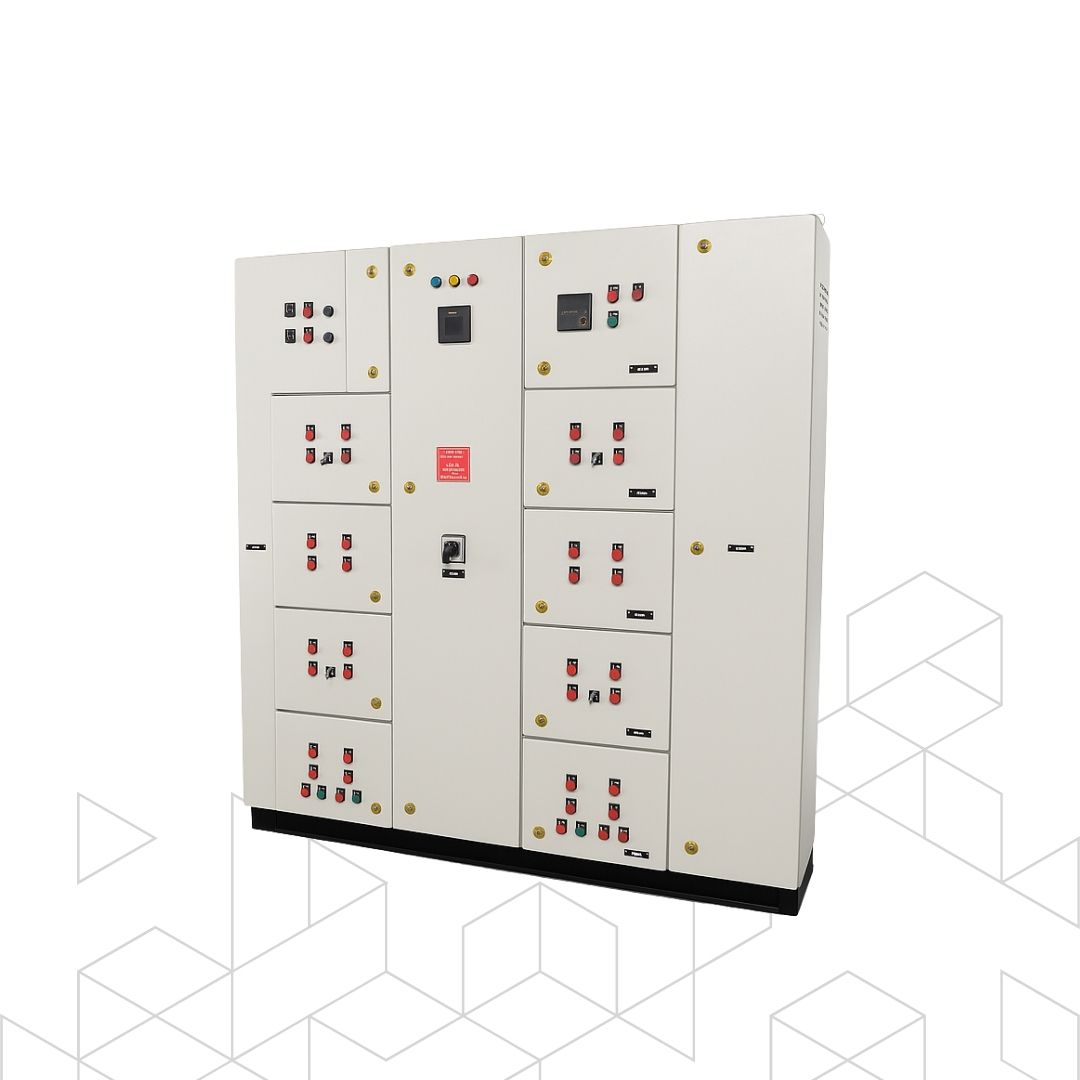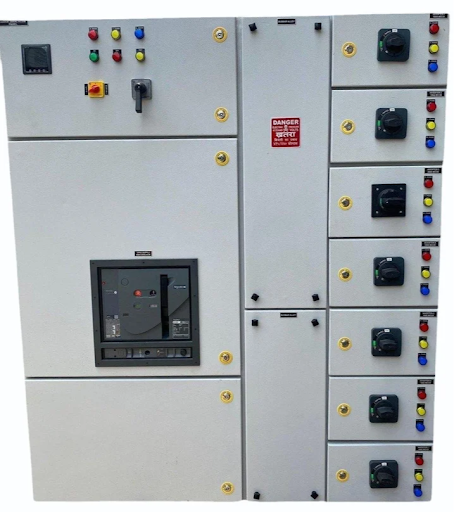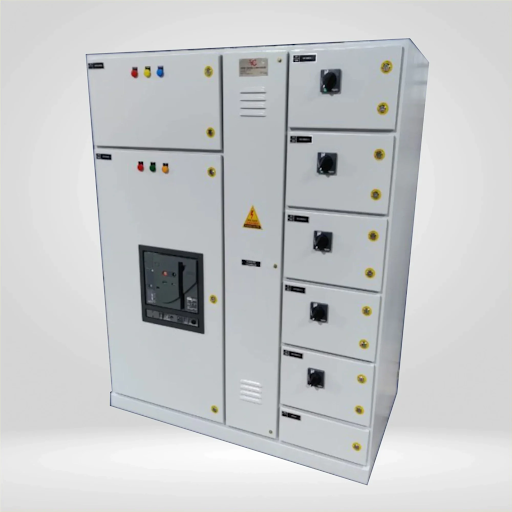
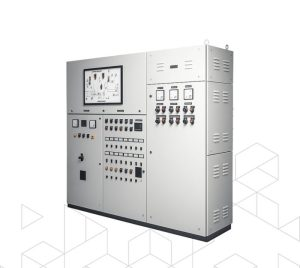
VFD Panels for Chemical Plants: Boosting Motor Efficiency

Chemical processing plants rely heavily on precise motor control to maintain safe, efficient, and high-quality operations. One of the most effective ways to optimize motor performance in these facilities is through VFD Panels for Chemical Plants. Variable Frequency Drive (VFD) panels not only improve motor efficiency but also provide energy savings, better process control, and reduced equipment wear, making them essential for modern chemical plants.

Understanding VFD Panels in Chemical Processing

A VFD control panel is an advanced motor management system that regulates the speed and torque of electric motors by varying the input frequency and voltage. In chemical plants, motors drive pumps, mixers, compressors, and fans—critical components that directly affect process stability and product quality. Implementing industrial VFD panels ensures precise motor operation, reduces energy consumption, and minimizes mechanical stress on equipment.

Unlike traditional motor starters, variable frequency drive panels provide fine-tuned speed control, enabling chemical plants to optimize flow rates, mixing speeds, and ventilation according to real-time process requirements. This level of automation is particularly important in chemical processing, where deviations in motor speed can impact safety and product consistency.

Advantages of VFD Panels for Chemical Plants

Investing in VFD Panels for Chemical Plants delivers several key benefits:

  • Enhanced Energy Efficiency: VFD panels adjust motor speed to match process demands, significantly reducing energy consumption compared to fixed-speed operations.

  • Improved Process Control: Real-time motor adjustments enable precise control of pumps, mixers, and other critical machinery, maintaining consistent chemical reactions.

  • Reduced Equipment Wear: Smooth acceleration and deceleration reduce mechanical stress, extending the lifespan of motors, pumps, and associated equipment.

  • Lower Maintenance Costs: By optimizing motor operation, industrial VFD panels reduce the risk of equipment failures, decreasing downtime and maintenance expenses.

  • Scalable Automation: VFD systems can be integrated with existing plant automation networks, providing centralized control and monitoring capabilities.

These advantages make VFD panels an essential investment for chemical plants aiming to improve operational efficiency, safety, and cost-effectiveness.

Key Features to Look for in VFD Panels

When selecting VFD Panels for Chemical Plants, chemical manufacturers should consider several critical features:

  • High-Performance Drives: Panels should support precise speed control for pumps, mixers, fans, and compressors.

  • Advanced Automation Integration: Integration with chemical plant automation systems enables real-time monitoring, predictive maintenance, and process optimization.

  • Durability and Safety: Panels must be built to withstand harsh chemical plant environments and comply with electrical safety standards.

  • Customizable Design: Leading VFD panel manufacturers offer solutions tailored to specific plant layouts, motor capacities, and operational requirements.

  • Energy Monitoring: Modern VFD panels track energy consumption and performance metrics for efficiency optimization.

Selecting a VFD panel with these features ensures safe, reliable, and energy-efficient operation across the chemical plant.

Synchro Electricals: Trusted VFD Panel Manufacturer

Synchro Electricals has earned recognition as a leading manufacturer of industrial VFD panels in India. With extensive experience in designing and supplying VFD Panels for Chemical Plants, they deliver customized solutions that address the unique operational challenges of chemical processing.

  • Technical Expertise: Synchro Electricals designs panels optimized for precise motor control, ensuring stable and efficient chemical processes.

  • Custom Solutions: Each panel is tailored for plant-specific requirements, including motor size, process load, and integration with existing automation systems.

  • Automation Integration: Their VFD panels support advanced chemical plant automation, enabling remote monitoring, predictive maintenance, and operational efficiency improvements.

  • Reliable Support: Synchro provides end-to-end services, from installation to maintenance, ensuring long-term panel performance and plant safety.

By choosing Synchro Electricals, chemical plants gain a partner focused on maximizing motor efficiency, energy savings, and operational reliability.

Applications of VFD Panels in Chemical Plants

VFD Panels for Chemical Plants are widely applied across various operations:

  • Pumping Systems: Regulate flow rates and reduce energy usage in chemical transfer, water treatment, and circulation systems.

  • Mixers and Agitators: Optimize motor speeds for precise chemical reactions and consistent product quality.

  • HVAC and Ventilation Systems: Control fans and air handling units for maintaining safe and stable plant conditions.

  • Compressors and Blowers: Improve operational efficiency and reduce wear in high-load applications.

  • Process Automation: Integrate with plant SCADA or PLC systems to enhance centralized monitoring and control.

These applications highlight how VFD panels directly contribute to safer, more efficient, and cost-effective chemical plant operations.

Conclusion

Modern chemical plants require advanced motor control to maintain efficiency, safety, and product quality. VFD Panels for Chemical Plants provide precise motor regulation, energy savings, and reduced mechanical stress, making them indispensable for chemical processing operations.

Partnering with an experienced manufacturer like Synchro Electricals ensures access to customized industrial VFD panels, seamless automation integration, and long-term support. Investing in high-quality VFD panels is a strategic move for chemical plants aiming to boost motor efficiency, minimize downtime, and optimize overall operations.

FAQs

1. What is a VFD panel for chemical plants?

Answer: A VFD panel for chemical plants is a motor control system that regulates speed and torque of electric motors. It ensures precise operation of pumps, mixers, compressors, and HVAC systems while improving energy efficiency.

2. How do VFD panels benefit chemical plant operations?

Answer: Industrial VFD panels optimize motor performance, reduce energy consumption, and minimize wear on equipment. They enhance process control and ensure reliable operation in high-load chemical processing environments.

3. What should I look for in a VFD panel manufacturer for chemical plants?

Answer: Choose a manufacturer with expertise in industrial VFD panels, custom design capabilities, automation integration, and strong after-sales support. Reliability, compliance with safety standards, and plant-specific solutions are key.

4. Why is Synchro Electricals a trusted VFD panel manufacturer for chemical plants?

Answer: Synchro Electricals delivers customized industrial VFD panels for chemical plants, with advanced automation integration, high reliability, and expert after-sales support. Their panels ensure optimal motor efficiency and plant safety.

5. Can VFD panel manufacturers provide customized solutions for chemical plants?

Answer: Yes, experienced VFD panel manufacturers like Synchro Electricals design panels tailored to specific plant layouts, motor loads, and process requirements, ensuring energy efficiency and operational reliability.

String Combiner Boxes for Hybrid & Off-Grid Solar Systems: Reliable Remote Power Management

Hybrid and off-grid solar systems are increasingly critical for powering remote locations, industrial microgrids, and standalone energy setups. Ensuring these systems operate efficiently and safely requires specialized components. One of the most essential is the string combiner box for hybrid solar systems. Designed for robust performance, these devices centralize DC power collection, provide surge and overcurrent protection, and simplify maintenance even in challenging environments.

At Synchro Electricals, we engineer high-quality, weatherproof SCBs that meet international standards, offering reliable performance for hybrid and off-grid solar installations. Our solutions are trusted across industries that demand durable, efficient, and safe power management.

What is a String Combiner Box in Hybrid and Off-Grid Systems?

A string combiner box (SCB) collects DC power from multiple solar panel strings and safely channels it to the inverter or battery storage system. Unlike standard solar installations, hybrid and off-grid systems face unique environmental and operational challenges—from remote locations to variable weather conditions.

Synchro Electricals’ SCBs are designed with:

  • IP65/IP67-rated enclosures for dust, water, and UV resistance

  • High-conductivity copper busbars for efficient energy flow

  • Surge protection devices to prevent damage from lightning or voltage spikes

  • DC disconnect switches/isolators to ensure safe maintenance

These features make them ideal for hybrid solar systems, where reliability and protection are paramount.

Why SCBs Are Critical for Hybrid and Off-Grid Solar Systems

Hybrid and off-grid solar systems differ from grid-connected installations. They often include battery energy storage (BESS), microgrids, or standalone systems, making centralized DC power management vital. A string combiner box for hybrid solar systems ensures:

  1. Safe Power Distribution: Combines multiple strings into a single output while protecting against overcurrent.

  2. Enhanced System Reliability: Reduces downtime caused by voltage surges or wiring faults.

  3. Durability in Remote Locations: Weatherproof enclosures and corrosion-resistant materials withstand harsh conditions.

  4. Simplified Maintenance: Centralized fuse holders and isolators provide a single point for inspection and repairs.

  5. Flexible Configurations: Supports different string-to-output ratios, making SCBs suitable for small to large hybrid systems.

Features That Make Synchro Electricals’ SCBs Stand Out

Selecting the right string combiner box for hybrid solar systems is crucial. Synchro Electricals’ SCBs offer advanced features tailored for remote and off-grid applications:

  • Weatherproof Enclosures (IP65/IP67): Ensure durability against rain, dust, and UV exposure.

  • Fuse Holders & String Inputs: Configurations ranging from 8-in/1-out to 24-in/1-out with UL/IEC-certified fuses for reliable overcurrent protection.

  • Surge Protection Devices (SPD): Safeguard the system from lightning and grid disturbances.

  • DC Disconnect Switch / Isolator: Provides safe maintenance and reduces operator risk.

  • Busbars & Wiring: High-conductivity copper busbars with tin coating minimize voltage drop and optimize heat management.

  • Optional Monitoring: Allows integration with remote monitoring systems for hybrid setups, enhancing operational control.

These features ensure maximum safety, energy efficiency, and uptime, even in off-grid or remote installations.

Applications of String Combiner Boxes in Hybrid and Off-Grid Solar

Synchro Electricals’ SCBs are versatile and support a wide range of hybrid/off-grid applications:

  • Remote Microgrids: Centralized DC power collection simplifies maintenance and improves energy distribution.

  • Industrial Off-Grid Installations: Supports high-energy industrial loads in areas without reliable grid access.

  • Standalone Systems: Provides surge protection and safe power routing for isolated solar installations.

  • Hybrid Solar + Battery Storage Systems (BESS): Ensures seamless energy flow between solar panels, batteries, and loads.

By implementing robust SCBs, operators can maximize efficiency, reduce downtime, and ensure reliable energy delivery, even in challenging remote environments.

Why Choose Synchro Electricals for Hybrid Solar SCBs?

Synchro Electricals is a trusted manufacturer of string combiner boxes for hybrid solar systems, providing:

  • Industry Expertise: Years of experience in designing SCBs for remote and hybrid energy projects.

  • Customizable Solutions: Configurations tailored to system size, voltage range, and monitoring requirements.

  • High-Quality Components: Weatherproof, UL/IEC-certified components for long-lasting performance.

  • 24/7 Support: Technical assistance for installation, integration, and ongoing operations.

  • Proven Reliability: Trusted across industrial, commercial, and remote solar installations.

Partnering with Synchro Electricals ensures your hybrid or off-grid solar system is safe, reliable, and optimized for maximum efficiency.

Conclusion

Hybrid and off-grid solar systems require robust, weatherproof, and high-performance string combiner boxes to manage DC power safely and efficiently. A string combiner box for hybrid solar systems from Synchro Electricals not only simplifies power distribution but also protects your investment with surge protection, durable enclosures, and flexible configurations.

Whether it’s a remote microgrid, industrial off-grid installation, or a hybrid solar + battery storage system, Synchro Electricals SCBs provide the reliability, safety, and operational efficiency your project needs.

Invest in a Synchro Electricals string combiner box today to secure stable power management for hybrid and off-grid solar systems.

FAQs

1. What is a string combiner box for hybrid solar systems?

A string combiner box (SCB) collects DC power from multiple solar panel strings in hybrid or off-grid systems, ensuring safe power distribution, surge protection, and simplified maintenance.

2. How does a string combiner box improve off-grid solar reliability?

By centralizing DC power, providing overcurrent and surge protection, and allowing easy isolation, SCBs ensure consistent energy delivery even in remote or standalone solar setups.

3. Are Synchro Electricals’ SCBs weatherproof for remote installations?

Yes, Synchro Electricals’ SCBs feature IP65/IP67-rated enclosures, making them dustproof, waterproof, UV-resistant, and ideal for harsh environmental conditions in hybrid and off-grid systems.

4. Can SCBs integrate with battery storage and hybrid systems?

Absolutely. SCBs from Synchro Electricals are compatible with hybrid solar + battery storage setups, enabling safe energy flow between solar panels, batteries, and local loads.

5. What industries benefit from using string combiner boxes for hybrid solar?

Remote microgrids, industrial off-grid installations, standalone systems, and hybrid solar projects benefit from SCBs for safe, reliable, and efficient DC power management.

String Monitoring Boxes for Utility-Scale Solar Plants: Boosting Efficiency and Reliability

Utility-scale solar plants are at the forefront of the global transition to renewable energy. Ensuring these vast solar PV systems operate at maximum efficiency is critical for both operational performance and return on investment. One of the key components that make this possible is the string monitoring box for utility-scale solar plants. Designed for real-time monitoring, fault detection, and system optimization, these devices are indispensable for large-scale solar operations.

At Synchro Electricals, we specialize in engineering high-performance string monitoring boxes (SMBs) that are tailored for utility-scale installations. Our solutions combine robust hardware, advanced monitoring capabilities, and seamless integration with SCADA systems, ensuring reliable energy generation and long-term plant performance.

What is a String Monitoring Box for Utility-Scale Solar Plants?

A string monitoring box is a device that collects and monitors data from multiple solar strings, including voltage, current, and performance metrics. In utility-scale solar plants, which often span several megawatts, SMBs play a critical role in identifying faults early, minimizing downtime, and optimizing overall energy production.

Synchro Electricals’ SMBs are built with weather-resistant enclosures (IP65/IP67 rated), high-quality surge protection devices, UL-certified components, and advanced fault detection technology. These features ensure that even in harsh outdoor conditions, the monitoring box maintains consistent performance, safeguarding your solar investment.

Why SMBs Are Essential for Utility-Scale Solar Efficiency

Utility-scale solar plants consist of thousands of interconnected PV modules, and even minor inefficiencies in a single string can reduce the overall plant output. This is where a string monitoring box for utility-scale solar plants becomes crucial.

Key benefits include:

  1. Real-Time Monitoring: SMBs provide continuous visibility into each solar string, allowing operators to track performance in real time. 
  2. Fault Detection & Early Warning: By detecting irregularities like current imbalances or voltage drops, SMBs minimize downtime and maintenance costs. 
  3. SCADA Compatibility: Integration with supervisory control and data acquisition systems allows centralized monitoring across the entire plant. 
  4. Optimized O&M Operations: Quick fault identification reduces troubleshooting time and streamlines operations and maintenance workflows. 
  5. Enhanced Energy Efficiency: Proper monitoring ensures that every solar string contributes to peak power generation, maximizing ROI. 

Synchro Electricals’ SMBs are specifically engineered for these purposes, making them the ideal choice for utility-scale solar projects.

Features That Make Synchro Electricals’ SMBs Stand Out

When selecting a string monitoring box for utility-scale solar plants, certain features determine its effectiveness and reliability:

  • IP65/IP67 Weatherproof Enclosures: Ensures durability in extreme weather, including rain, dust, and UV exposure. 
  • High-Conductivity Busbars & Wiring: Minimizes voltage drop and enhances heat management, improving overall system efficiency. 
  • Per-String Current & Voltage Measurement: Provides granular monitoring for precise fault detection. 
  • Surge Protection Devices (SPD): Protects the system from lightning and grid disturbances. 
  • DC Disconnect Switch / Isolator: Ensures safe maintenance and minimizes operator risk. 
  • SCADA & Data Logger Compatibility: Enables centralized, smart monitoring for large-scale plants. 
  • UL & IEC-Certified Components: Guarantees compliance with international safety standards. 

These features ensure that Synchro Electricals’ SMBs are not just reliable but also optimized for high-performance utility-scale solar applications.

Applications Across Utility-Scale Solar Plants

String monitoring boxes are versatile and can be used in various configurations and project types:

  • Mega Solar Farms: Monitor hundreds of strings simultaneously for uninterrupted energy generation. 
  • Centralized Inverter Architectures: Ensure smooth energy flow and accurate fault detection across multiple strings. 
  • Hybrid Systems with Energy Storage: Seamlessly integrate with battery storage systems and SCADA platforms for smart energy management.

By incorporating Synchro Electricals’ SMBs, operators can achieve unparalleled control, reliability, and efficiency in large solar power projects.

Why Choose Synchro Electricals for Your SMB Needs?

Synchro Electricals has emerged as a trusted manufacturer and supplier of string monitoring boxes for utility-scale solar plants. Here’s why clients across India and beyond rely on us:

  • Industry Expertise: Years of experience in designing and delivering high-performance solar monitoring solutions. 
  • Customizable Solutions: SMBs tailored to specific plant requirements and integration needs. 
  • Quality & Compliance: Weather-resistant, UL-certified components ensure durability and safety. 
  • 24/7 Support: Technical assistance for installation, integration, and ongoing monitoring. 
  • Proven Reliability: Trusted in utility-scale, commercial, and industrial solar installations. 

Partnering with Synchro Electricals ensures that your solar plant achieves maximum efficiency, reduced downtime, and optimized operational performance.

Conclusion

For utility-scale solar plants, the string monitoring box for utility-scale solar plants is more than just a monitoring device—it’s a critical tool for maximizing efficiency, protecting investments, and ensuring reliable energy production.

With Synchro Electricals, you get robust, weather-resistant SMBs engineered for real-time monitoring, SCADA integration, and precise fault detection. Whether you manage a mega solar farm or a hybrid solar + storage project, our solutions deliver superior performance and peace of mind.

Invest in a Synchro Electricals string monitoring box today and unlock the full potential of your utility-scale solar plant.

FAQs

1. What is a String Monitoring Box (SMB) for utility-scale solar plants?

A string monitoring box is a device that monitors voltage, current, and performance of each solar string in a utility-scale solar plant. It helps detect faults early and ensures optimal energy generation.

2. How does a string monitoring box improve efficiency in solar farms?

By providing real-time monitoring and fault detection, SMBs reduce downtime, enhance power output, and allow operators to optimize overall plant performance.

3. Can Synchro Electricals’ SMBs integrate with SCADA systems?

Yes, Synchro Electricals’ string monitoring boxes are fully SCADA-compatible, enabling centralized monitoring and seamless integration with smart solar plant management systems.

4. Are Synchro Electricals’ SMBs weatherproof for outdoor solar installations?

Absolutely. Our SMBs feature IP65/IP67-rated enclosures, making them dustproof, waterproof, UV-resistant, and ideal for harsh outdoor conditions.

5. What industries benefit from using string monitoring boxes?

Utility-scale solar farms, commercial rooftop solar systems, industrial solar installations, and hybrid solar + BESS projects all benefit from SMBs for reliable monitoring, fault detection, and enhanced energy efficiency.

Optimizing Textile Plant Operations with MCC Panels for Textile Industry

In today’s competitive textile manufacturing sector, operational efficiency, reliability, and safety are critical for sustaining high production. A key factor behind smooth plant operations is the implementation of MCC Panels for Textile Industry. These Motor Control Center panels streamline the management of motors, pumps, and other electrical equipment, improving overall productivity and ensuring energy-efficient operations.

Textile plants rely heavily on continuous operation, and even minor downtime can impact production schedules and profitability. Integrating MCC electrical solutions helps manufacturers optimize their electrical infrastructure, safeguard critical machinery, and maintain a stable energy flow throughout the plant.

Understanding MCC Panels in Textile Manufacturing

A motor control center panel is a centralized system that controls multiple electric motors in industrial setups. In textile plants, motors drive machinery such as looms, spinning units, dyeing machines, and HVAC systems. Implementing industrial MCC systems allows plant operators to monitor motor performance, automate processes, and prevent costly breakdowns.

Electrical MCC panels provide protection against overloads, short circuits, and voltage fluctuations, which are common in high-load textile operations. By integrating smart monitoring and automation, manufacturers can reduce operational risks, improve machine lifespan, and maintain consistent production output.

Key Advantages of MCC Panels in Textile Plants

Adopting MCC electrical solutions offers multiple operational benefits:

  • Centralized Motor Control: Consolidates management of motors and drives, making plant operations simpler and maintenance more efficient. 
  • Enhanced Safety: With built-in circuit breakers, overload protection, and safety interlocks, MCC electrical panels safeguard both personnel and equipment. 
  • Energy Efficiency: Smart industrial automation MCC solutions optimize motor performance, reduce power wastage, and lower operational costs. 
  • Ease of Maintenance: Modular designs, such as drawout MCC panels, allow quick replacement or servicing of individual units without shutting down the entire system. 
  • Scalability: Panels can accommodate additional motors or systems as production demands increase, ensuring future-ready operations.

By leveraging these benefits, textile manufacturers can ensure continuous production, reduce downtime, and improve operational efficiency across multiple processes.

Features to Look for in MCC Panels for Textile Plants

When selecting MCC Panels for Textile Industry, manufacturers should consider key features that ensure long-term performance:

  • Durability: Panels must handle heavy electrical loads and withstand challenging manufacturing environments. 
  • Advanced Automation: Integration with industrial MCC systems enables real-time monitoring, predictive maintenance, and remote control capabilities. 
  • Custom Design: Leading MCC panel manufacturers in India, such as Synchro Electricals, provide panels tailored to plant layouts, production requirements, and specific motor loads. 
  • Compliance: Panels should meet international electrical safety standards, ensuring reliable and safe operations. 
  • Energy Monitoring: Modern MCC panels allow energy tracking for each motor, helping managers identify inefficiencies and optimize consumption.

Synchro Electricals: Leading MCC Panel Manufacturer

Synchro Electricals stands out as a trusted MCC panel manufacturer in Ahmedabad and Gujarat, offering high-quality MCC Electrical solutions for textile plants. With years of experience in designing Motor Control Center (MCC) panel factories, Synchro Electricals delivers reliable, scalable, and energy-efficient motor control center panels.

Their portfolio includes drawout MCC panels, HVAC MCC panels, and fully customized MCC control panels engineered for textile operations. As a reliable MCC panel supplier, Synchro Electricals ensures seamless installation, excellent after-sales support, and long-term operational efficiency.

Applications of MCC Panels in Textile Manufacturing

MCC panels are essential across various sections of textile plants:

  • Spinning & Weaving Units: Control motors for looms, conveyors, and material handling systems to ensure smooth production flow. 
  • Dyeing & Finishing Units: Manage pumps, mixers, and heating systems efficiently, maintaining process consistency. 
  • HVAC Systems: Specialized HVAC MCC panels regulate temperature and humidity in sensitive production areas, crucial for fiber and fabric quality. 
  • Packaging & Material Handling: Streamline operations in packing and transporting finished products using integrated industrial MCC systems. 
  • Water Treatment & Boiler Systems: MCC panels ensure reliable operation of motors and pumps in auxiliary systems, contributing to energy efficiency and reduced operational risks.

By providing centralized control and monitoring, MCC panels minimize human error, prevent motor overloads, and support predictive maintenance strategies.

Choosing the Right MCC Panel Manufacturer: Why Synchro Electricals Excels

Selecting the right manufacturer for MCC Panels for Textile Industry is critical for ensuring operational efficiency, safety, and long-term reliability. Synchro Electricals has established itself as a trusted partner for textile manufacturers by combining technical expertise with practical, industry-specific solutions.

  • Proven Technical Expertise: Synchro Electricals designs and implements motor control center panels tailored to the complex electrical requirements of textile plants. Each panel is engineered for reliability, durability, and seamless integration with existing systems. 
  • Tailored Solutions: Unlike generic panels, Synchro provides fully customized electrical MCC panels that align with specific plant layouts, motor capacities, and production workflows. 
  • Advanced Automation Capabilities: With experience in industrial automation MCC systems, Synchro’s panels support real-time monitoring, predictive maintenance, and operational optimization, helping textile plants achieve measurable efficiency gains. 
  • Comprehensive Support: From installation to ongoing maintenance, Synchro Electricals ensures continuous performance with proactive after-sales support, reducing downtime and protecting plant investments. 
  • Industry Credibility: Recognized as a leading MCC panel manufacturer in Ahmedabad and Gujarat, Synchro combines engineering excellence with practical industry knowledge, making them a reliable choice for modern textile operations.

By focusing on engineering precision, operational efficiency, and long-term reliability, Synchro Electricals goes beyond supplying MCC panels—they provide a strategic solution for optimizing textile plant operations.

Conclusion

Optimizing textile plant operations requires a dependable motor management system. Implementing MCC Panels for Textile Industry enhances safety, energy efficiency, and production reliability. Partnering with an experienced MCC panel manufacturer in India, Synchro Electricals guarantees high-quality panels designed to meet industrial standards and support continuous, efficient plant operations.

By investing in the right MCC panels, textile manufacturers can achieve operational excellence, reduce downtime, and future-proof their plants in an increasingly competitive market.

FAQs

1. What are MCC Panels for Textile Industry?

MCC Panels for Textile Industry are centralized motor control systems that manage multiple motors in textile plants. They improve operational efficiency, energy management, and safety across spinning, weaving, dyeing, and HVAC systems.

2. How do MCC electrical panels benefit textile manufacturing?

Electrical MCC panels provide overload protection, prevent short circuits, and allow centralized motor control. They enhance productivity, reduce downtime, and ensure reliable operations in high-load textile plants.

3. Which types of MCC panels are commonly used in textile plants?

Textile plants use drawout MCC panels, HVAC MCC panels, and standard motor control center panels. Each type ensures safe, energy-efficient, and streamlined motor operations throughout the facility.

4. How to choose a reliable MCC panel manufacturer in India?

Select an MCC panel manufacturer in India with experience in industrial automation, customizable solutions, and after-sales support. Synchro Electricals is a trusted supplier of high-quality MCC electrical solutions for textile plants.

5. Can MCC panels improve energy efficiency in textile operations?

Yes, industrial MCC systems optimize motor operations, reduce energy wastage, and enable real-time monitoring. This helps textile plants lower operational costs and increase overall efficiency.

Reducing Downtime with Smart Monitoring in 800V LT Panels

In high-demand industries like pharmaceuticals, data centers, and continuous process industries (CPI), unplanned downtime can result in significant financial losses and operational disruption. Reliable power distribution is critical, and the adoption of 800 LT panels with smart monitoring is transforming industrial power management. Synchro Electricals offers advanced solutions that combine high-voltage reliability with intelligent monitoring, ensuring reduced downtime, enhanced safety, and operational efficiency.

Understanding 800V LT Panels and Their Industrial Role

Low tension panels 800 V are a cornerstone of industrial power distribution. They are responsible for controlling, managing, and protecting electrical supply across processes. From 800 LT power control panels to 800 LT MCC panels and LT switchgear 800 V, these panels are designed for high-voltage applications, making them ideal for critical operations in pharmaceutical manufacturing, data centers, and continuous process industries.

Key advantages of 800 LT electrical panels include:

  • High efficiency and reliability: 800 V LT panels minimize transmission losses and improve overall system performance. 
  • Reduced cabling and infrastructure costs: High-voltage design reduces the number of cables required. 
  • Fault tolerance and safety: Built-in protection reduces the risk of equipment damage and unplanned downtime. 

By deploying Synchro Electricals’ 800 V LT panel solutions, industries benefit from reliable and compliant LT power distribution systems, ensuring uninterrupted operations.

Smart Monitoring: Key to Reducing Downtime

Traditional LT distribution panels 800 V offer basic protection but lack real-time insights into electrical performance. Synchro Electricals’ 800 LT panels incorporate smart monitoring features that continuously track voltage, current, temperature, and load conditions.

Predictive Maintenance

With IoT-enabled monitoring, 800 LT MCC panels and LT electrical panels for pharmaceutical plants can anticipate potential issues before they escalate. Data-driven predictive maintenance ensures timely interventions, reduces unplanned outages, and extends the lifespan of industrial electrical control panels.

Remote Monitoring and Control

For geographically dispersed operations like data centers or multi-site pharmaceutical facilities, 800 V LT PCC panels allow operators to monitor and control systems remotely. Real-time alerts and remote diagnostics minimize downtime and ensure high-reliability power supply for server farms and continuous production lines.

Ensuring Safety and Compliance

Safety is paramount in industries with sensitive operations. Industrial LT panels 800 V from Synchro Electricals feature integrated protective devices such as circuit breakers, surge protectors, and fault detection systems.

Smart monitoring ensures early detection of anomalies, enabling rapid response and maintaining compliance with electrical panel standards and compliance regulations. This makes 800 LT panels safe and reliable.

Industry-Specific Applications

Pharmaceuticals

In pharmaceutical plants, uninterrupted power is crucial for sterile production and regulatory compliance. 800 LT MCC panels in pharma and LT distribution panels for pharmaceutical plants provide reliable, monitored power that reduces downtime and protects critical equipment.

Data Centers

High-reliability data centers demand continuous operations. 800 LT panels for data centers, low-tension panels for server farms, and 800 V LT panels for high-reliability data centers offer smart monitoring and predictive maintenance, ensuring servers remain operational without disruption.

Continuous Process Industries (CPI)

Industries like chemical, food, and oil processing require constant power. 800 V LT distribution panels for process plants and LT MCC panels for chemical/food/oil processing reduce unplanned outages, optimize energy efficiency, and enhance overall operational continuity.

Why Synchro Electricals Leads in LT Panel Solutions

Synchro Electricals specializes in delivering industrial low-tension panel design and high-performance LT power distribution panels. Their range includes:

  • Industrial LT panels 800 V for pharmaceuticals, data centers, and CPI 
  • LT switchgear panels and electrical control panels for industrial processes 
  • LT distribution boards and LT panel boards with smart monitoring 

With precision engineering, high-quality components, and compliance with international standards, Synchro Electricals ensures 800 LT panel efficiency and reliability, making it a trusted partner for industries seeking maximum uptime and operational safety.

Conclusion

For industries where downtime is not an option, 800 LT panels with smart monitoring from Synchro Electricals provide a strategic solution. By combining intelligent monitoring, predictive maintenance, and remote control capabilities, these 800 V LT panels enhance system reliability, safety, and efficiency across pharmaceuticals, data centers, and continuous process industries.

Choosing Synchro Electricals ensures your organization benefits from:

  • Reduced downtime and operational interruptions 
  • Reliable, high-voltage power distribution 
  • Compliance with electrical standards 
  • Smart, data-driven maintenance and monitoring 

Discover more about 800 LT panels and other industrial solutions at https://synchroelectricals.com/ and secure uninterrupted operations for your critical facilities.

FAQS

1. What is an 800V LT panel and where is it used?

An 800V LT panel is a low-tension electrical panel designed for high-voltage industrial applications. It is commonly used in pharmaceutical plants, data centers, and continuous process industries to manage, distribute, and protect electrical power efficiently.

2. How does smart monitoring reduce downtime in LT panels?

Smart monitoring tracks voltage, current, temperature, and load in real-time. This allows operators to detect anomalies early, perform predictive maintenance, and prevent unplanned downtime, ensuring uninterrupted operations.

3. What industries benefit the most from 800 LT MCC and PCC panels?

Industries with critical continuous operations—such as pharmaceuticals, data centers, chemical, and food processing—benefit most. These panels provide reliable power distribution, safety, and smart monitoring to maintain efficiency and compliance.

4. Are 800V LT panels safe and compliant with industry standards?

Yes, 800V LT panels are built with circuit breakers, surge protection, and fault detection systems. They comply with international electrical safety standards, ensuring safe and reliable operation in industrial environments.

5. Can 800 LT panels be monitored remotely?

Absolutely. IoT-enabled 800 LT smart panels allow remote monitoring and control, enabling operators to manage power systems from anywhere, respond to alerts instantly, and maintain high reliability across multiple facilities.


Lightning Protection Strategies for Outdoor ACDB Panels: Essential Guide for Solar and Telecom Industries

Lightning strikes pose a significant threat to outdoor electrical infrastructure, particularly ACDB panels (AC Distribution Boxes) used in renewable energy and telecom applications. As extreme weather events become more frequent, implementing robust lightning protection strategies has become crucial for maintaining system reliability and preventing costly equipment damage. This comprehensive guide explores proven methods to safeguard your outdoor ACDB panels and ensure uninterrupted operations.

Understanding Lightning Risks for Outdoor ACDB Panels

Outdoor ACDB panels face unique vulnerabilities due to their exposed installation environments. Lightning-induced surges can cause catastrophic damage to sensitive electrical components, leading to system downtime, expensive repairs, and potential safety hazards. For solar EPC companies and telecom operators, protecting these critical infrastructure components is essential for maintaining operational efficiency and meeting service level agreements.

ACDB panels for industrial applications are particularly susceptible because they often serve as central distribution points for multiple circuits. A single lightning strike can cascade through the entire electrical system, affecting downstream equipment and causing widespread outages. Understanding these risks is the first step in developing an effective protection strategy.

Primary Lightning Protection Systems

The foundation of any lightning protection strategy begins with a properly designed primary protection system. This involves installing lightning rods or air terminals at strategic locations around your facility, creating a preferential path for lightning strikes to reach the ground safely.

For facilities housing ACDB panels for solar systems, the lightning protection network should extend beyond the electrical enclosures to cover solar arrays, support structures, and associated equipment. The lightning protection system must be designed according to international standards such as IEC 62305, ensuring comprehensive coverage and reliable performance.

Proper grounding is equally critical. A robust grounding system provides a low-impedance path for lightning currents, reducing the risk of dangerous voltage buildup in ACDB panels and connected equipment. Ground resistance should be regularly tested and maintained to ensure optimal performance.

Surge Protection Devices (SPDs) for ACDB Systems

Secondary protection involves installing surge protection devices specifically designed for ACDB applications. These devices act as the second line of defense, clamping voltage surges that may bypass or overwhelm primary protection systems.

For solar ACDB manufacturers and users, selecting appropriate SPD ratings is crucial. Type 1 SPDs should be installed at the service entrance, while Type 2 SPDs provide protection at distribution levels. The coordination between different SPD types ensures comprehensive protection throughout the electrical system.

Modern ACDB boxes should incorporate built-in surge protection features. Leading ACDB manufacturers now offer integrated solutions that combine distribution functions with surge protection capabilities, simplifying installation while ensuring optimal protection levels.

Shielding and Enclosure Design

The physical design of ACDB panels plays a crucial role in lightning protection. Metallic enclosures provide natural shielding against electromagnetic fields generated by lightning strikes, but proper bonding and grounding are essential for effectiveness.

For ACDB panels designed for harsh outdoor environments, additional considerations include:

  • Enhanced sealing: Preventing moisture ingress that could create conductive paths
  • Robust construction: Using materials that can withstand electromagnetic stresses
  • Strategic cable entry: Minimizing exposure points while maintaining functionality
  • Proper ventilation: Ensuring adequate cooling without compromising protection

Solar panel protection box suppliers should prioritize designs that balance accessibility for maintenance with maximum protection against lightning-induced damage.

Installation Best Practices

Proper installation techniques significantly impact the effectiveness of lightning protection systems. Key considerations for ACDB installations include:

Location Selection: Position ACDB panels away from tall structures that might attract lightning strikes, while ensuring accessibility for maintenance and operations.

Cable Management: Use shielded cables where possible and maintain proper separation between power and communication lines. Avoid creating loops in cable runs that could increase magnetic coupling.

Bonding Requirements: Ensure all metallic components are properly bonded to the facility’s grounding system. This includes ACDB enclosures, cable trays, conduits, and support structures.

Regular Maintenance: Implement scheduled inspection programs to verify the integrity of grounding connections, surge protection devices, and overall system performance.

Advanced Protection Technologies

Modern lightning protection extends beyond traditional methods. Smart monitoring systems can detect lightning activity and automatically implement protective measures, such as temporarily disconnecting sensitive equipment or adjusting system parameters.

For industrial ACDB applications, consider implementing:

  • Remote monitoring capabilities: Real-time status updates and fault detection
  • Predictive maintenance: Using data analytics to anticipate component failures
  • Integrated communication: Coordination with broader facility management systems

Synchro Electricals: Your Trusted Partner

As a leading ACDB manufacturer in India, Synchro Electricals combines decades of expertise with cutting-edge technology to deliver superior lightning protection solutions. Our comprehensive range includes ACDB panels for 5kW to 10kW solar systems and beyond, each designed with integrated protection features and built to withstand the harshest environmental conditions.

Our engineering team works closely with solar EPC companies and telecom operators to develop customized protection strategies that meet specific operational requirements while maintaining cost-effectiveness. From initial design consultation to ongoing maintenance support, Synchro Electricals provides end-to-end solutions that ensure your critical infrastructure remains protected and operational.

Conclusion

Effective lightning protection for outdoor ACDB panels requires a multi-layered approach combining primary protection systems, surge protection devices, proper enclosure design, and installation best practices. By partnering with experienced manufacturers like Synchro Electricals and implementing comprehensive protection strategies, organizations can significantly reduce lightning-related risks while maintaining operational reliability.

Investing in proper lightning protection today prevents costly downtime tomorrow, making it an essential consideration for any facility operating outdoor electrical infrastructure in lightning-prone environments.

Frequently Asked Questions (FAQs)

1. What is an ACDB panel and why does it need lightning protection?

An ACDB (AC Distribution Box) panel distributes alternating current from solar inverters or grid connections to various loads. Lightning protection is essential because outdoor ACDB panels are vulnerable to voltage surges that can damage sensitive electrical components, cause system downtime, and create safety hazards.

2. How much does lightning protection for solar ACDB panels cost?

Lightning protection costs typically range from 2-5% of the total ACDB panel price, depending on system complexity and protection levels required. The investment is cost-effective considering it prevents expensive equipment replacement and system downtime that can cost thousands of dollars.

3. Which ACDB manufacturer provides the best lightning protection features?

Leading ACDB manufacturers like Synchro Electricals integrate built-in surge protection devices, robust grounding systems, and electromagnetic shielding in their panels. Look for manufacturers offering Type 1 and Type 2 SPDs, proper earthing terminals, and weatherproof enclosures designed for outdoor installations.

4. Do ACDB boxes for 5kW and 10kW solar systems require different lightning protection?

While the protection principles remain the same, larger 10kW systems may require higher-rated surge protection devices and more comprehensive grounding systems. Both 5kW and 10kW ACDB boxes need properly sized SPDs, but the surge current rating and number of protection circuits may vary based on system capacity.

5. How often should lightning protection systems for ACDB panels be maintained?

Lightning protection systems should be inspected annually, with ground resistance testing every 2 years and SPD functionality checks every 6 months. After any nearby lightning strikes, immediate inspection is recommended to ensure all protection components remain functional and properly connected.

Welcome to Synchro Electricals

We provide trusted, high-performance electrical solutions tailored for every industry.

Apply For Job