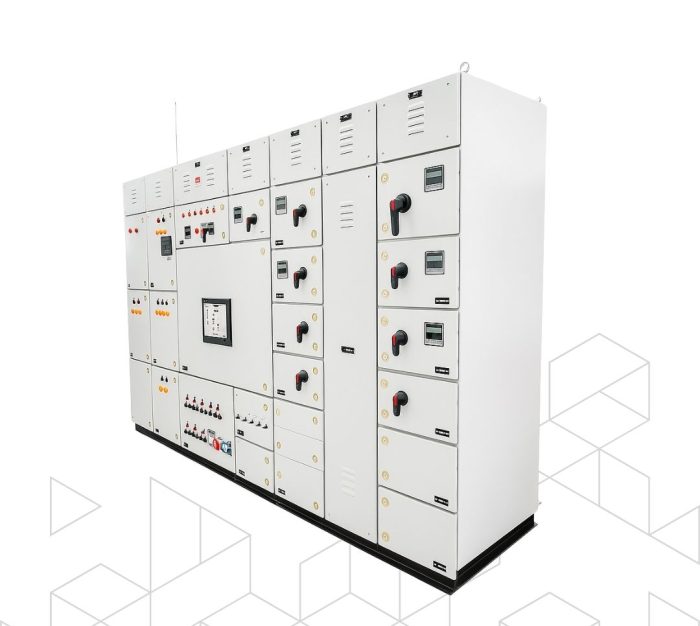
Energy Efficiency and Lighting Distribution Panels: A Game Changer for Commercial Real Estate

In the fast-evolving world of commercial real estate, energy efficiency is not just desirable—it’s essential for both economic performance and environmental responsibility. As buildings strive for greener operations, the humble lighting distribution panel has become a cornerstone of sustainable facility management. Modern business complexes, office buildings, and coworking hubs all depend on high-quality lighting panels to deliver reliable, efficient power to their ever-expanding lighting systems.

Why Lighting Distribution Panels Matter for Commercial Offices

A lighting distribution panel—whether 3-phase for multi-floor buildings or single-phase for boutique offices—regulates and distributes electrical power to all the lighting circuits in a facility. In bustling corporate environments, smart lighting controls help balance the demands of energy savings and occupant comfort. Choosing the right panel isn’t just about reliability; it’s an investment in lower operating costs, premium safety, and future-ready scalability.

For commercial property managers and electrical contractors, there is an ever-increasing demand to:

  • Buy lighting distribution panels compatible with energy-efficient lighting (especially LED).
  • Order electrical lighting panels in bulk for new construction or renovations.
  • Find UL listed lighting distribution boards and IP-rated lighting control panels that meet stringent compliance codes for workplace safety and performance.
  • Secure wholesale lighting distribution panel deals with the best lighting panel prices, particularly for multi-unit commercial builds.

Features Making a Difference in Commercial Buildings

  • Energy Efficiency and Controls:
    Commercial buildings see significant gains from energy-efficient lighting panels that work seamlessly with timers, occupancy sensors, and daylight harvesting controls. Integration with LED lighting distribution box suppliers enables continuous savings and longer lamp life.
  • Custom Solutions for Diverse Spaces:
    Modern high-rises and business parks often require both 100a 3 phase panels for main distribution and custom lighting distribution panel manufacturers for unique, space-constrained layouts. Such flexibility makes it easy to scale up lighting systems as tenancies change or expand.
  • Safety and Compliance Built-In:
    For commercial buildings, building codes demand UL listed lighting distribution boards and IP-rated lighting control panels to guarantee safe operation under intensive daily use. In climates with high humidity or dust, these features are critical.
  • Professional Service:
    Many in the sector now seek out end-to-end solutions: from selecting the best panel to arranging lighting panel installation services and post-installation support for seamless building management.

How Lighting Distribution Panels Drive Results

  • Reduced Energy Bills:
    Smart distribution panels paired with LED lighting generate immediate, measurable savings across open-plan offices and shared spaces.
  • Increased Property Value:
    Efficient, compliant systems raise green building ratings—attractive to eco-conscious tenants and investors.
  • Operational Peace of Mind:
    With the ability to rapidly source and purchase lighting control boards, property managers stay ahead on upgrades, repairs, and code changes.

Lighting Distribution Panels: Not Just for Office Buildings

While this blog focuses on commercial real estate due to the sector’s huge demand and complex requirements, it’s important to acknowledge that these panels are the backbone of multiple industries:

  • Manufacturing & Warehousing:
    High-voltage, 220-440 Volt lighting distribution panels and ruggedized, IP-rated models keep lights running safely on busy shop floors and logistics hubs.
  • Healthcare Facilities:
    Hospitals demand high-reliability, UL-listed lighting panels for critical lighting, heavy-duty circuits, and compliance with medical safety codes.
  • Retail & Hospitality:
    Chain stores, shopping centers, and hotels order panels in bulk (wholesale lighting distribution panels) to standardize systems across locations and ensure consistent guest experiences.
  • Education & Public Infrastructure:
    Schools and transportation terminals benefit from energy-efficient lighting panels and lighting panel installation services that minimize downtime and optimize learning or commuting environments.

Making the Right Choice for Your Commercial Property

When planning a new build or retrofitting an existing office, remember to:

  • Analyze actual load requirements and future scalability.
  • Partner with reputable LED lighting distribution box suppliers for compatibility with energy-saving bulbs.
  • Compare features like 3-phase vs single-phase, amperage (such as 100a 3 phase panels), and protection ratings.
  • Seek custom lighting distribution panel manufacturers for non-standard projects.
  • Balance cost-effectiveness with long-term performance by reviewing the best lighting panel prices from certified distributors.

Conclusion

For commercial real estate professionals, investing in state-of-the-art lighting distribution panels isn’t just about lights—it’s about maximizing sustainability, safety, and building value. Properly selected panels slash energy bills, support green certifications, and future-proof your property investment. Partnering with a trusted supplier like Synchro Electricals, known for manufacturing high-quality, UL-listed, and energy-efficient lighting distribution panels, can set your building apart as a leader in efficient, modern operations. Whether you need panels for sale, installation, or bulk wholesale, Synchro Electricals offers customized solutions backed by expert support to make your property smarter, safer, and more sustainable.

Ready to step into the future? Explore your energy-efficient lighting panel options with Synchro Electricals today.

FAQS

1. Why should commercial buildings invest in energy-efficient lighting distribution panels?

These panels optimize LED lighting and smart controls, significantly reducing energy costs while improving occupant comfort and extending lamp life for sustainable operations.

2. What safety certifications and protection ratings must lighting distribution panels have?

Look for UL listed panels with IP42 to IP55 ratings to ensure safe operation, dust and moisture protection, and compliance with commercial building codes.

3. What materials and components ensure the durability of lighting distribution panels?

Panels are commonly made from powder-coated CRCA steel with magnetic-thermal MCB circuit breakers rated up to 9 kA for effective fault protection and long-term reliability.

4. How do lighting distribution panels support scalability in commercial properties?

Modern panels come in 3-phase configurations—often rated 100A or more—allowing easy expansion or customization as building lighting needs evolve or tenants change.

5. Can lighting distribution panels integrate with smart lighting controls?

Yes, they are designed to work with occupancy sensors, timers, and daylight harvesting systems, enabling automatic energy savings and operational efficiency in office environments.

Industrial VFD Panels: From Energy Savings to Peak Motor Performance

Variable Frequency Drive (VFD) panels have emerged as a critical solution for industries aiming to optimize motor performance, reduce energy consumption, and ensure long-term operational efficiency. At Synchro Electricals, we specialize in designing and supplying high-quality VFD panels tailored for diverse industrial applications, from water treatment systems to HVAC and heavy industries.

Understanding Variable Frequency Drive (VFD) Panels

A Variable Frequency Drive (VFD) panel is an advanced motor control system that regulates the speed and torque of electric motors based on operational demands. Unlike conventional motor starters, VFD panels provide precise control over motor operations, reducing wear and tear while boosting energy efficiency.

Top VFD panel manufacturers like Synchro Electricals focus on delivering panels that include essential components such as programmable logic controllers, overload protection, soft starters, and monitoring interfaces. Working with a reliable VFD panel supplier ensures that industries benefit from both quality products and post-installation support. Additionally, partnering with a trusted VFD control panel manufacturer guarantees adherence to international standards and custom design options.

How VFD Panels Improve Energy Efficiency and Motor Performance

Energy savings is one of the most compelling advantages of installing a VFD panel. By adjusting motor speed to match actual load requirements, VFDs significantly reduce energy consumption, translating into lower electricity bills. For instance, installing a 50 hp VFD or 75 hp VFD can result in up to 30% energy savings for motors operating under variable loads. Industries using VFDs for 75 hp motors or smaller units like a 15 hp VFD can enjoy both energy efficiency and enhanced motor lifespan.

Moreover, VFD panels help optimize process performance. Motors experience less mechanical stress, leading to reduced maintenance costs and downtime. Regular monitoring through a VFD panel board or VFD with motor control panel ensures early detection of potential issues, making operations smoother and more reliable.

VFD Panels in Water Treatment and Industrial Applications

The water treatment industry is one of the most prominent beneficiaries of VFD technology. Pumps, chemical dosing systems, and filtration units require precise motor control for efficient operation. By integrating a VFD panel, water treatment plants can maintain optimal flow rates, reduce energy wastage, and extend pump life.

Beyond water treatment, industrial VFD panels are widely used in sectors such as manufacturing, heavy industries, and processing plants. A VFD panel maintenance contract ensures ongoing support, regular inspections, and timely upgrades, keeping operations seamless. Synchro Electricals’ panels cater to VFD panels for heavy industries, providing robust performance even under high-load conditions.

VFD Panels Across Other Industries

While water treatment remains a primary application, VFD panels are indispensable across multiple industries:

  • HVAC systems: Fans, compressors, and chillers benefit from VFD control to maintain desired temperatures efficiently. 
  • Manufacturing: Conveyors, mixers, and material handling systems rely on VFDs for motors to enhance precision and reduce energy usage. 
  • Oil & Gas and Mining: VFD panels manage pumps, crushers, and drilling equipment, optimizing performance under fluctuating loads. 
  • Chemical and Processing Plants: Maintaining consistent flow rates and speeds is crucial for process stability, which VFD panels provide effectively. 

Choosing the right variable frequency drive panel to buy ensures your facility achieves maximum operational efficiency and energy savings.

Choosing the Right VFD Panel Manufacturer and Supplier

Selecting a trusted VFD control panel manufacturer and VFD panel supplier is critical for long-term benefits. Reliable manufacturers like Synchro Electricals provide:

  • Customizable designs for different motor capacities 
  • Efficient VFD panel installation and integration support 
  • Comprehensive maintenance contracts for uninterrupted operations 
  • Energy optimization and performance monitoring solutions 

Whether you need a standard VFD panel board or a custom VFD control panel, partnering with a professional supplier guarantees high-quality products, compliance with industry standards, and expert support.

Conclusion: Maximize Efficiency and Performance with VFD Panels

In today’s industrial landscape, optimizing motor performance and reducing energy costs is more critical than ever. VFD panels offer an effective solution by combining precise motor control with energy efficiency. From water treatment plants to HVAC systems, manufacturing, and heavy industries, these panels provide significant operational advantages.

At Synchro Electricals, we are committed to delivering reliable VFD panels tailored to your industrial needs. By choosing the right VFD panel manufacturer and leveraging advanced variable frequency drive technology, your facility can achieve peak performance, reduced energy consumption, and long-term cost savings.

FAQs

1. What is a VFD panel and how does it work?

A Variable Frequency Drive (VFD) panel is an electrical system that controls the speed and torque of AC motors by varying the frequency and voltage supplied to the motor. This helps industries optimize motor performance, reduce energy consumption, and extend motor life.

2. What are the benefits of installing VFD panels in water treatment plants?

In water treatment systems, VFD panels improve pump efficiency, regulate flow rates, and reduce energy costs. They also decrease wear and tear on motors, ensuring smooth operation for filtration, chemical dosing, and pumping systems.

3. How much energy can a VFD panel save?

Energy savings vary based on motor size and application. Typically, a 50 hp VFD or 75 hp VFD can save 20–30% of energy under variable load conditions. Smaller motors like a 15 hp VFD also achieve significant energy reduction in processes that don’t always require full motor speed.

4. Which industries commonly use VFD panels?

VFD panels are widely used across industries such as water treatment, HVAC, manufacturing, heavy industries, oil & gas, mining, and chemical plants. They are essential wherever precise motor control, energy efficiency, and process optimization are required.

5. How do I choose the right VFD panel manufacturer or supplier?

Look for reliable VFD panel manufacturers and suppliers who offer customizable solutions, installation support, and maintenance contracts. Key factors include product quality, compliance with industrial standards, technical support, and experience with vfd panel boards, heavy industry applications, and motor control integration.

MCC Panels: Streamlined Control for Maximum Operational Efficiency

In today’s rapidly evolving industrial environment, Motor Control Center (MCC) panels have become fundamental components for efficient automation and motor management. Far beyond being simple electrical enclosures, MCC panels serve as centralized hubs that control, protect, and monitor critical motor-driven equipment across manufacturing and processing plants. Whether you are looking for a trusted MCC panel manufacturer in India, specifically in Ahmedabad, or want advanced industrial automation MCC systems for your factory, understanding the power of MCC panels to boost operational productivity is essential.

At Synchro Electricals, we offer robust, customized MCC electrical solutions that integrate seamlessly with modern automation technologies. 

Motor Control Center Panels Explained

An MCC panel is a modular assembly comprising various motor control units—such as motor starters, circuit breakers, overload relays, and contactors—consolidated into a single panel. This design allows operators and engineers to centrally manage the performance and safety of multiple motors that power conveyor belts, pumps, compressors, HVAC systems, and other machinery essential to factory operations.

By centralizing motor control, MCC panels:

  • Simplify the management of complex motor-driven processes
  • Enhance safety by protecting against overloads, short circuits, and faults
  • Enable easy maintenance and troubleshooting through modular compartments
  • Allow remote and automated control when integrated with PLC or SCADA systems

Advantages of MCC Panels in Industrial Automation

  1. Centralized Control for Improved Efficiency
    MCC panels enable operators to manage dozens of motors from a single point, enhancing operational workflows and reducing human error.
  2. Enhanced Safety and Reliability
    Built-in protective devices such as circuit breakers and overload relays reduce risks to equipment and personnel, minimizing unplanned downtime and costly repairs.
  3. Energy Efficiency with Variable Frequency Drives (VFDs)
    Many MCCs support integration with VFD technology, optimizing motor speeds to match load requirements and lowering overall power consumption.
  4. Seamless Automation Integration
    Modern MCC panels can be incorporated into factory automation frameworks, connecting with PLCs, SCADA, and Industrial Internet of Things (IIoT) platforms to enable real-time monitoring, remote control, and predictive maintenance.
  5. Scalable Modular Design
    Industrial needs evolve, and MCC panels grow with them. Their modular layouts make expansions or upgrades straightforward without system-wide interruptions.

Key MCC Panel Types Used in Factories

  • Fixed Type MCC Panels: Cost-effective and suitable where maintenance access is less frequent.
  • Draw-Out Type MCC Panels: Designed for easy removal of motor control units for maintenance without shutting down the entire system.
  • High Voltage MCC Systems: For heavy industrial motors requiring high voltage control solutions.
  • Low Voltage MCC Panels: For smaller motors common in many factory applications.
  • PLC-Based Intelligent MCC Panels: Equip factories with smart operation capabilities, supporting automation and analytics.

Industries Leveraging MCC Panel Automation

MCC panels are essential across a variety of industrial sectors where continuous and reliable motor control is critical:

  • Automotive Manufacturing: Ensuring automated assembly lines and robotics operate efficiently and safely.
  • Pharmaceuticals and Chemicals: Precise motor control for mixers, pumps, and processing equipment in controlled environments.
  • Food and Beverage Processing: Maintaining hygienic and smooth operation of conveyors, packaging machines, and refrigeration units.
  • Textiles and FMCG: Managing complex motor-driven machinery with minimal downtime.
  • Water Treatment Plants: Controlling pumps and filtration systems crucial for clean water supply.
  • Mining and Metallurgy: Handling heavy-duty motors for extraction and processing activities.

Why Choose Synchro Electricals as Your MCC Panel Manufacturer?

Synchro Electricals is a reputed MCC panel manufacturer in Ahmedabad and India known for delivering reliable, durable, and fully customizable MCC solutions tailored to your factory’s specific operational demands.

Our advantages include:

  • Compliance with International Safety Standards: Ensuring panels meet IEC and IS certifications for reliable industrial use.
  • Advanced Automation Compatibility: Seamlessly integrate your MCC panels with PLCs, SCADA, and IIoT for smart factory operations.
  • Expert Engineering and Customization: Panels designed to optimize factory workflows and energy consumption.
  • End-to-End Service: From design consultancy to installation and after-sales support, we provide comprehensive project management.

How MCC Panels Boost Factory Productivity

  • Minimized Downtime: Modular and draw-out designs enable maintenance or repairs without total system shutdown, keeping production lines moving.
  • Predictive Maintenance: Integration with smart monitoring tools highlights potential faults early, allowing proactive servicing.
  • Energy Savings: Intelligent controls optimize motor performance, significantly reducing electricity bills and carbon footprint.
  • Safety Enhancements: Emergency stop functions and fault isolations protect workers and equipment alike.

The Future of MCC Panels in Industrial Automation

As industries transition, MCC panels are evolving with features such as:

  • IoT-enabled Remote Monitoring: Access real-time motor data from anywhere via cloud platforms.
  • AI Predictive Analytics: Use machine learning to forecast failures and schedule maintenance.
  • Hybrid Energy Integration: Manage motors powered through renewable energy sources alongside traditional grids.
  • Enhanced User Interfaces: Touchscreen displays and mobile apps for easier operation and diagnostics.

Conclusion

Choosing the right Motor Control Center (MCC) panel is vital for any industrial facility aiming to improve automation, safety, and operational efficiency. From startups to established factories, expertly engineered MCC electrical solutions provide centralized motor control, reduced energy costs, scalable expansion, and higher uptime.

Partner with Synchro Electricals, a trusted MCC panel manufacturer in India and Ahmedabad, to empower your industrial motor systems with cutting-edge technology and robust support.

FAQs

Q1. What is a Motor Control Center (MCC) panel and why is it important?

An MCC panel is a centralized system that controls and protects multiple electric motors in factories. It simplifies operations, enhances safety, and ensures efficient automation in industrial environments.

Q2. How do MCC panels improve factory productivity?

They provide centralized monitoring, enable quick fault isolation, integrate with automation systems, and reduce downtime — all of which boost operational efficiency.

Q3. Which industries benefit the most from MCC panels?

Industries such as automotive, pharmaceuticals, food processing, textiles, mining, and water treatment rely heavily on MCC panels for reliable motor control and smooth operations.

Q4. Can MCC panels be integrated with smart factory systems?

Yes, modern MCC electrical solutions integrate seamlessly with PLCs, SCADA, and IIoT platforms, enabling remote monitoring, predictive maintenance, and real-time control.

Q5. What factors should I consider when choosing an MCC panel manufacturer?

Look for proven industry experience, customization options, compliance with safety standards, advanced automation compatibility, and strong after-sales support.

Synchronizing Panels Redefined: Smarter Load Management for Modern Industries

In today’s industrial landscape, synchronizing panels play a critical role in ensuring seamless and efficient power management. Among these, the Single Phase 100 kVA DG Synchronization Panels are a specialized solution designed to optimize power continuity and reliability with Diesel Generator (DG) systems. If you’re looking to buy DG synchronizing panels or explore options like automatic synchronizing panels and multi-generator synchronizing panels, understanding the types, functionalities, and benefits of these panels is essential. This blog will guide you through the key aspects of synchronizing panels, helping you make an informed purchase and maximize your industrial power system’s efficiency. 

Power Synchronizing Panel Explained

A synchronizing panel, also known as a generator synchronization panel or genrator synchronization panel, is an electrical control system designed to synchronize multiple power sources—usually generators—with each other and with the main power grid. Synchronization ensures that voltage, frequency, and phase match correctly before connecting power sources in parallel. This process is vital to prevent equipment damage, reduce downtime, and optimize fuel consumption.

Types of Synchronizing Panels

There are various synchronizing panel types suited for different industrial needs, including but not limited to:

  • Single Phase 100 kVA DG Synchronization Panels: Ideal for small to medium industrial applications requiring stable single-phase power backup.
  • Multi-Generator Synchronizing Panels: For facilities with multiple DG sets that need to operate in tandem, sharing load efficiently.
  • Automatic Synchronizing Panels: Enable automatic synchronization and load sharing without manual intervention, boosting operational ease.
  • Synchronizing AMF Panels (Automatic Mains Failure): These panels coordinate generator synchronization with automatic mains failure detection for uninterrupted power.
  • PLC Synchronizing Panels: Use programmable logic controllers (PLC) for advanced control and monitoring capabilities.

Why Invest in a Synchronizing Panel?

Industrial operations can’t afford power interruptions, and smooth generator synchronization is crucial to avoid costly downtime. Investing in a synchronized control panel or a DG synchronizing panel ensures:

  • Enhanced Power Efficiency: Reduces fuel consumption by optimizing load sharing between generators.
  • Reliability and Safety: Prevents damage due to inconsistent voltage, frequency, or phase mismatches.
  • Automated Control: Modern panels come with automation features like auto load sharing, synchronizing panels for hands-off power management.
  • Flexibility: Ability to integrate with different generator types and sizes, including solar power synchronization with the grid for hybrid setups.
  • Remote Monitoring: Many panels support IoT or SCADA integration for real-time status updates and predictive diagnostics.

How to Choose the Right Synchronizing Panel

When looking to buy DG synchronizing panels or other synchronization solutions, considering the following factors helps ensure you get a panel that matches your operational needs and budget:

  • Voltage and Power Rating: Select between high voltage synchronizing panels and low voltage synchronizing panels based on your power system specs, such as the Single Phase 100 kVA DG synchronization capacity.
  • Number of Generators: Choose single or multi-generator synchronizing panels depending on your setup.
  • Automation Level: Decide between manual systems or automated automatic synchronizing panels for ease and precision.
  • Integration Features: Check compatibility with existing control systems, ability to handle solar power synchronization with the grid, and digital controls like PLC.
  • Vendor and After-Sales Support: Opt for a reputable synchronizing panel vendor with strong customer support and service.
  • Pricing: Compare synchronizing control panel prices and review cost versus feature benefits to find the right balance.

Synchro Electricals: Your Trusted Synchronizing Panel Vendor

As a leading synchronizing panel vendor, Synchro Electricals offers a comprehensive range of synchronization solutions tailored to diverse industrial power requirements. Whether you need a commercial synchronizing panel purchase or an industrial synchronizing panel buy, our products are engineered to meet international standards with reliability, safety, and efficiency.

Our panels feature cutting-edge technology, including programmable logic controllers and smart load-sharing mechanisms, ensuring seamless integration with DG sets and power grids. Whether you’re searching for a genset synchronizing panel for sale or want to explore synchronizing AMF panels with automatic changeover features, Synchro Electricals is your go-to partner.

Trends in Synchronizing Panels for 2025

The future of synchronizing panels is bright with technological innovation accelerating the adoption of smarter and more efficient systems:

  • AI and Automation: AI-driven control algorithms improve synchronization speed and accuracy.
  • Energy Efficiency: Panels now support hybrid systems with solar power synchronization for greener industrial setups.
  • Modular Designs: Flexible panel architectures simplify upgrades and maintenance.
  • Enhanced Safety: Advanced protective relays and real-time monitoring prevent failures and outages.
  • Connectivity: IoT-enabled panels facilitate remote monitoring, diagnostics, and predictive maintenance.

Conclusion

Choosing the right synchronizing panel is vital for any industrial or commercial operation relying on a continuous power supply. Whether it is a single phase 100 kVA DG synchronization panel for smaller needs or a robust multi-generator synchronizing panel for large plants, these systems ensure efficiency, safety, and reliability.

If you want to buy DG synchronizing panels or learn about automatic synchronizing panel purchase options with advanced load sharing features, Synchro Electricals offers expert guidance, quality products, and competitive synchronizing control panel prices to suit your project. Explore our offerings and empower your power systems with the best synchronization technology.

FAQS

Q1. What is a synchronizing panel?

A synchronizing panel safely connects multiple power sources in parallel by matching their voltage, frequency, and phase. This prevents damage and ensures smooth, efficient power transfer.

Q2. Why are DG synchronizing panels important in industries?

They provide uninterrupted power, enable efficient load sharing, and reduce fuel costs—critical for industries where downtime is costly.

Q3. What are the main types of synchronizing panels?

Key types include Single Phase 100 kVA DG panels, multi-generator panels, automatic AMF panels, and PLC-based control panels for smart operations.

Q4. Can synchronizing panels work with solar power?

Yes, many modern panels support solar power synchronization with the grid for hybrid and renewable energy systems.

Q5. How does an automatic synchronizing panel work?

It automatically aligns multiple generators or sources for connection, handling load sharing without manual input for faster, safer operation.

How PCC Panels Are Evolving with Smart Metering and IoT Integration in Industrial Power Systems

In today’s rapidly digitizing industrial landscape, Power Control Center (PCC) panels are no longer just about circuit protection and load management—they are becoming intelligent, connected systems. With the advent of smart metering, IoT integration, and real-time monitoring, modern PCC panels are revolutionizing how industries manage energy. In this blog, we’ll explore how PCC panel manufacturers are adapting to the digital era and how these innovations are reshaping industrial power systems.

What is a PCC Panel and Why is it Critical?

A PCC panel or Power Control Center panel is an essential component of any industrial electrical setup. It manages power distribution from the transformer to various load points, protecting machinery, equipment, and infrastructure. Industries such as manufacturing, steel, automotive, textile, oil & gas, and large commercial units depend on industrial PCC panels for smooth, safe operations.

Whether it’s an LT PCC panel, MCC PCC panel, or an integrated PCC MCC control panel, these systems are responsible for:

  • Distributing power across all operational units

  • Monitoring voltage, current, and power factor

  • Protecting systems against overload, short circuits, and surges

  • Ensuring uninterrupted production cycles

The Shift: Traditional PCC to Smart PCC Panels

In the past, electrical PCC panels were largely analog—relying on manual operations, discrete wiring, and offline monitoring. Today, industries demand real-time data, predictive maintenance, and remote control—this is where IoT and smart metering come in.

Smart Metering in PCC Panels

Smart metering technology allows for precise energy monitoring and automated reporting. Integrated into modern PCC panels, smart meters offer:

  • Real-time power usage tracking

  • Load balancing analytics

  • Detection of harmonic distortion and energy loss

  • Transparent billing and energy audit reports

This not only ensures operational efficiency but helps industries save on energy costs and reduce downtime.

IoT Integration: The Industrial Game-Changer

IoT-enabled PCC panels take smart functionality to the next level. Using sensors, cloud-based dashboards, and machine learning, these panels can:

  • Predict equipment failure before it happens

  • Monitor temperature, voltage, and current continuously

  • Automate switching and power flow based on real-time demand

  • Integrate with SCADA or ERP systems for centralized control

IoT transforms a traditional PCC electrical panel into a self-monitoring, self-reporting unit that enhances both safety and performance.

Advantages of Smart PCC Panels for Industrial Applications

With smart metering and IoT capabilities, PCC panels for industrial applications now offer a broad range of benefits:

  • Reduced energy wastage through accurate load management

  • Improved uptime with predictive maintenance alerts

  • Remote access for monitoring and diagnostics from any location

  • Data-driven decisions for energy optimization and cost control

  • Enhanced safety through early fault detection and alerts

Common Industries Benefiting from Smart PCC Panels

Smart PCC panels are becoming the norm in sectors such as:

  • Large commercial units with variable load conditions

  • Pharmaceuticals requiring clean, uninterrupted power

  • Food processing plants where uptime is critical

  • Steel and heavy machinery operations needing advanced protection

  • Renewable energy sectors integrating grid feedback systems

What Makes Synchro Electricals a Leading PCC Panel Manufacturer?

At Synchro Electricals, we stay ahead of the curve by designing smart PCC panels that are tailored for modern industrial needs. Here’s what sets us apart:

Certified Quality

Our panels meet all necessary IEC and IS standards, ensuring safety, reliability, and long-term performance.

Integrated Smart Solutions

We offer advanced smart metering and IoT-enabled PCC panels, compatible with modern SCADA systems and cloud platforms.

Custom-Engineered Panels

From LT PCC panels to PCC MCC combinations, every panel is custom-designed to meet your plant’s unique electrical load and power flow needs.

Industrial-Grade Components

We use top-tier components and proven wiring practices, ensuring long life, minimal maintenance, and low energy loss.

Proudly Made in India

As a trusted PCC panel manufacturer in India, we combine innovation with local expertise—delivering premium-quality panels across diverse sectors.,

The Future of Power Control: Smarter, Safer, and More Connected

The future of industrial power control lies in intelligent, data-driven systems. As energy efficiency and automation become key business drivers, industries that adopt smart PCC panels with IoT and metering will gain a competitive edge in both performance and sustainability.

If you’re planning an upgrade or new installation, trust Synchro Electricals—your reliable partner in building the next generation of industrial PCC panels.

FAQs

1. What is a PCC panel in electrical systems?

A PCC (Power Control Center) panel is used to distribute power to various loads and equipment in an industrial or commercial setup. It controls and monitors the main power source with built-in protection features.

2. How is IoT used in PCC panels?

IoT-enabled PCC panels can monitor voltage, current, energy usage, fault detection, and temperature in real-time via cloud-connected sensors, enabling predictive maintenance and remote diagnostics.

3. What are the benefits of smart metering in PCC panels?

Smart metering provides accurate energy monitoring, power factor correction, load optimization, and detailed analytics—helping businesses reduce energy costs and improve system efficiency.

4. Can existing PCC panels be upgraded for IoT integration?

Yes, legacy PCC panels can often be retrofitted with IoT modules, smart meters, and communication interfaces like Modbus, Ethernet, or Wi-Fi for real-time monitoring.

5. Why choose a smart PCC panel for industrial power management?

Smart PCC panels reduce downtime, improve energy efficiency, enable data-driven decisions, and offer remote access—making them ideal for Industry 4.0-ready facilities.

6. What are the typical applications of PCC panels?

PCC panels are used in manufacturing plants, refineries, data centers, commercial buildings, hospitals, and other facilities requiring robust power distribution and protection.

Choosing the Right ACDB/DCDB Panel for 5kW to 1MW Solar Systems – A Technical Sizing Guide

As solar power continues to revolutionize the energy landscape across industries, the importance of choosing the right ACDB (AC Distribution Board) and DCDB (DC Distribution Board) panels becomes undeniable. Whether you’re installing a 5kW rooftop solar system or managing a 1MW industrial solar plant, proper panel selection ensures maximum safety, reliability, and energy efficiency.

In this guide, we’ll break down the sizing, technical parameters, and smart considerations for selecting ACDB/DCDB panels for solar systems, while highlighting how Synchro Electricals leads as a top ACDB/DCDB panel manufacturer in India.

Understanding ACDB and DCDB Panels in Solar Systems

ACDB (AC Distribution Board) and DCDB (DC Distribution Board) panels are critical junctions in a solar power system.

  • DCDB: Connects multiple solar panel strings and channels their DC output to the inverter. It includes DC MCBs, SPD, fuses, and disconnects to protect against overcurrent and surges.
  • ACDB: Receives AC output from the inverter and feeds it to the load or utility grid. It incorporates AC MCBs, isolators, SPD, and energy meters for safety and monitoring.

Together, these panels form the solar panel protection box—safeguarding both components and personnel.

How to Size ACDB/DCDB Panels from 5kW to 1MW

For 5kW to 10kW Solar Systems (Residential/Small Commercial)

  • DCDB Box for 5kW Solar System:
    • Input Strings: 1 to 2
    • Voltage Rating: 600V–1000V DC
    • Protection: DC MCB, Fuse Holders, Surge Protection Device (SPD), DC Disconnect
    • Cable Entry: Cable glands suitable for 4–6 mm² PV cable
  • ACDB for 10kW Solar System:
    • Output Voltage: 230V/415V AC
    • Key Components: AC MCB, SPD, Energy Meter, Isolator
    • Enclosure: Weatherproof polycarbonate or powder-coated metal

These smaller systems benefit from compact ACDB/DCDB boxes, engineered for cost-effectiveness and ease of installation.

For 50kW to 100kW Solar Systems (Medium Industrial/EPC Projects)

  • DCDB Sizing:
    • Input Strings: 6–12
    • Voltage Rating: 1000V DC
    • Components: SPD Type II, String Monitoring, Disconnect Switches
  • ACDB Sizing:
    • Output Voltage: 415V AC (3-phase)
    • Inbuilt Energy Meters for Load/Export Monitoring
    • Cable Support: 16mm² to 70mm² AC cables
    • Ideal for: Solar EPC companies, MSMEs, educational institutions

At this scale, having custom-built DCDBs and ACDBs with accurate string tracking and load balancing is essential.

For 500kW to 1MW Solar Plants (Utility/Industrial)

  • DCDB for 1MW Solar Plant:
    • Input Strings: 20+
    • Voltage: 1000V–1500V DC
    • Surge Protection: Type I & II SPDs
    • Busbar Rating: 250A–400A Copper/Aluminium
    • Monitoring: Optional SCADA integration, individual string monitoring
  • ACDB for Industrial Solar:
    • 3-phase 415V output
    • Inbuilt MCCB (Moulded Case Circuit Breakers), CTs, and metering
    • Integration: Synchronization panels, utility metering
    • Material: IP65-rated enclosures, indoor/outdoor application

Industrial solar systems demand rugged ACDB & DCDB panel assemblies—built for load fluctuation and adverse conditions.

Why Sizing Accuracy Matters

Improperly sized or substandard ACDB/DCDB panels can lead to:

  • Overheating and equipment failure
  • Energy loss due to voltage drop
  • Inadequate protection against lightning and faults
  • Warranty voids on solar inverters/modules

This is why working with an experienced solar ACDB DCDB manufacturer is crucial to ensuring safety and long-term ROI.

What Makes Synchro Electricals a Trusted Manufacturer?

At Synchro Electricals, we’re not just another ACDB/DCDB panel manufacturer—we’re your partner in clean energy excellence.

Certified Quality

All our solar panels and components are certified, rigorously tested for safety, insulation, and environmental conditions.

Full Product Range

We’re among the top solar panel protection box suppliers and PV junction box manufacturers in India—serving residential to 1MW+ systems.

Tailored Engineering

From a DCDB box for 5kW systems to ACDB panels for 1MW solar EPCs, we customize every enclosure for cable size, voltage ratings, and busbar capacities.

Made in India

Proudly built in India, our ACDB/DCDB products offer global standards with cost-efficiency for EPCs, OEMs, and industrial solar developers.

Final Thoughts

Whether you’re setting up a 5kW rooftop project or a large-scale 1MW solar farm, selecting the right ACDB/DCDB box isn’t just about capacity—it’s about performance, safety, and long-term durability.

With decades of electrical expertise, Synchro Electricals delivers technically superior ACDB and DCDB panels, fully compliant with modern solar infrastructure requirements.

Need help choosing the right panel for your solar project?
Talk to Synchro Electricals today—India’s leading solar ACDB DCDB manufacturer for industries, EPCs, and OEMs.

FAQs

What is the function of ACDB and DCDB in a solar power system?

ACDB (AC Distribution Board) distributes the AC output from the inverter to the load/grid, while DCDB (DC Distribution Board) manages and protects the DC input from solar panels before it enters the inverter.

How do I size an ACDB/DCDB for a 5kW to 1MW solar plant?

Sizing depends on system capacity, string configuration, voltage/current ratings, protection requirements (MCB, SPD, isolators), and cable specifications. Each capacity range has specific design norms.

Is there a difference in panel requirements for on-grid vs off-grid solar systems?

Yes, on-grid systems need synchronization with the utility grid via suitable ACDBs, whereas off-grid systems may require battery integration and additional protection in DCDBs.

Can a single panel serve both ACDB and DCDB functions?

In small systems (5–10kW), combined ACDB/DCDB units are possible. For larger setups, separate panels are ideal for safety, maintenance, and scalability.

What protection devices are used in ACDB and DCDB panels?

Key devices include MCBs, MCCBs, surge protection devices (SPDs), fuses, isolators, and monitoring meters to safeguard against faults, overcurrent, and surges.

Are ACDB and DCDB panels customizable for different system sizes?

Yes, panels can be custom-designed based on system size, number of strings, site conditions, and client requirements, especially for capacities ranging from 100kW to 1M

Is DCDB required for a 600V solar PV string?

Yes. A 600V string requires a DCDB with: 600V DC fuse/MCB Type II DC SPD 600–1000V DC isolator UV-resistant enclosure (IP65)

Which DCDB rating is used for a 1000V solar system?

For 1000V systems, use a DCDB with: 1000–1200V DC fuse/MCB Type I+II SPD (1000V DC) 1000V DC isolator Min. 4–8 strings support (commonly required for 50kW–100kW)

What is the specification of ACDB for a 415V 3-phase inverter?

A 415V ACDB generally includes: 415V AC MCCB/MCB (60A/100A depending on inverter output) AC SPD Type II Energy meter (optional) AC Isolator Earthing & surge-protection system

How to size DC fuses for a 1500V PV system?

The fuse rating must match: 1500V DC voltage 1.25 × Isc (short-circuit current) Minimum fuse rating: 1500V DC, 20–32A Used in large solar farms (500kW–1MW).

What SPD is required for a 1500V DCDB?

A Type II or Type I+II SPD rated for: Ucpv = 1500V DC High lightning protection level (Iimp) Thermal disconnect mechanism

What DCDB rating is used for 1MW solar farms?

Up to 20–32 strings 1500V DC fuses SPD Type I+II 1500V isolator 400A copper busbar SCADA-ready monitoring

What is the ACDB specification for 100kW on-grid?

Inverter output: 415V 3-phase 100A MCCB AC SPD Type II CT-based energy meter Earthing & surge arrestors

Which DCDB is used for 50kW solar systems?

8–12 strings 1000V DC fuse DC SPD Type II 1000V isolator Busbar based combiners

What ACDB is required for a 10kW solar system?

230V/415V output AC MCB 40A AC SPD Type II 4-pole isolator Energy meter (optional)

What DCDB is required for a 5kW solar system?

1–2 PV strings 600–800V DC rating DC MCB 20–25A DC SPD Type II DC isolator 600V IP65 box

What is the short-circuit rating of ACDB?

ACDB must match inverter’s AC short circuit output (KA rating). Common: 10kA / 16kA / 25kA MCCB for 415V 3-phase systems.

How do I select cable size for DCDB to inverter?

Follow formula: Cable Size (mm²) = 1.25 × DC Current × Distance × Resistivity Factor Common sizes: 4–6 mm² (residential) 10–16 mm² (commercial) 25–70 mm² (industrial)

Do we need SPD on both AC and DC sides?

Yes. DC SPD protects PV strings from lightning surges. AC SPD protects inverter output & grid connection.

Welcome to Synchro Electricals

We provide trusted, high-performance electrical solutions tailored for every industry.

Apply For Job