What are Smart Meters in Buildings?

Indtroduction

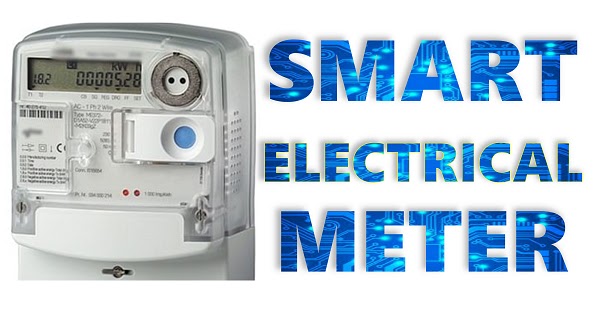
Smart meters are digital devices that measure energy consumption. Smart meters in buildings provide detailed data on energy usage. That allows for better management and efficiency. By using smart meters, you can gain valuable insights into their energy consumption patterns. Also, it helps you to identify opportunities to save on electricity costs.

How Do Smart Meters Work?

Smart meters use advanced technology to measure and record energy usage in real-time. They are equipped with sensors and communication modules. It sends data to the energy supplier and the build energy management system. This continuous flow of information enables accurate billing. Also, helps to detect any anomalies in energy consumption.

For example, Smart Meters can detect unusual spikes in energy usage, and alert building managers for potential issues. Such as faulty equipment or inefficient energy practices. This proactive approach can prevent costly repairs and reduce downtime.

Benefits of Smart Meters in Buildings

1. Real-Time Monitoring

One of the most significant advantages of smart meters is their ability to provide real-time monitoring of energy consumption. Building managers can access up-to-date information on how much electricity is being used at any given moment. This data can be analyzed to identify patterns and trends. That helps to make informed decisions about energy usage.
By using Smart Meters in Buildings, industries can optimize their energy consumption. That reduced the waste and lowered electricity bills. Real-time monitoring also enables quick detection of any inefficiencies. That allows you for immediate corrective actions.

2. Accurate Billing

Smart meters eliminate the need for estimated bills. That provides you with accurate and transparent billing information. This accuracy ensures that you are only charged for the energy you use. Also, avoids discrepancies and disputes with energy suppliers.

Smart Meters send consumption data directly to the energy supplier. That ensures billing is based on actual usage rather than estimates. This transparency builds trust between energy providers and consumers.

3. Energy Efficiency

Smart meters play an important role in promoting energy efficiency. By providing a detailed insight into energy consumption, they help industries identify areas where energy can be saved. For example, if a particular piece of equipment is consuming more power than usual, it can be inspected and serviced to improve its efficiency.
Using Smart Meters, you can easily measure energy-saving. Such as adjusting operating schedules or upgrading to more efficient equipment. These steps can lead to significant cost savings and help you to reduce your environmental footprint.

How to Implement Smart Meters in Buildings

Implementing smart meters involves several steps. Here’s a simple guide:

1. Assessment and Planning:

The first step is to assess the current energy management system. Understand the requirements and plan to integrate the smart meters. It involves identifying the areas where smart meters will be installed. Also, determine the best locations for optimal data collection.

2. Installation:

Once the assessment is complete, the smart meters can be installed. This process should be carried out by qualified professionals. That ensures a proper setup and calibration.

3. Data Integration:

After installation, the smart meters need to be integrated with the building’s energy management system. This allows for seamless data collection and analysis. That enables real-time monitoring and reporting.

4. Training and Usage:

Building managers and staff should be trained on how to use the smart meters and interpret the data they provide. This ensures that everyone understands the benefits of the system. And make informed decisions about energy usage.
blog_6_smart_meter

Conclusion

Smart meters are transforming the way we manage energy in buildings. With real-time data and accurate billing. We enable industries to optimize the energy consumption and reduce costs. The benefits of using Smart Meters in Buildings are clear: improved efficiency, enhanced safety, and better decision-making.

In conclusion, smart meters are a vital component of modern infrastructure development. Synchro Electricals brings a high-quality and standardized Meter Panel. These panels are crucial for monitoring and measuring electrical parameters such as voltage, current, power consumption, and other metrics in residential, commercial, and industrial settings.

FAQ's

What is the real purpose of smart meters?
The purpose of smart meters is to measure accurate and real-time energy consumption. These meters enable consumers and suppliers to monitor energy usage effectively. That ensures accurate billing and identifies opportunities to improve energy efficiency. It also helps you to detect issues such as power outages or faults. That provides you with quicker responses and maintenance.
The role of a smart meter is to measure and record the amount of electricity in a building. These meters offer real-time insights into energy usage and help users to understand their consumption patterns. This data helps to optimize energy use, reduce waste, and cut energy costs.
Smart meters are generally considered beneficial for several reasons. such as accurate billing, energy efficiency, real-time monitoring and enhanced grid management.
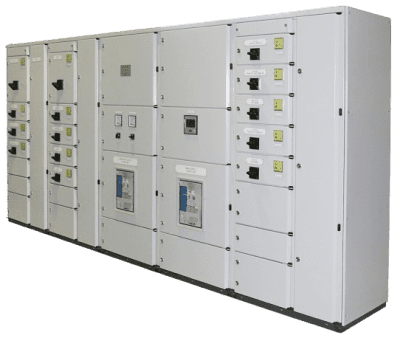
A meter panel is a component of an electrical distribution system. The meter panel contains the necessary equipment for connecting the building’s electrical system to the utility service. It provides a secure enclosure for the meters. Meter panels are typically found in residential, commercial, and industrial buildings. Which are essential for accurate billing and energy management.
A panel meter is an instrument mounted on a panel to display measurements of electrical parameters such as voltage, current, frequency, or power. The primary uses of a panel meter include Monitoring, Control, Safety, and Efficiency.

Importance of Electrical Panels in Infrastructure Development

Indtroduction

Electrical panels, also known as distribution boards or breaker panels. Those are the central hubs of an electrical system. This contains circuit breakers, fuses, and switches that control the flow of electricity to different parts of a building. Without electrical panels, managing and distributing electrical power may be chaotic and dangerous.
Electrical panels in infrastructure development are important. It ensures power is delivered safely to all parts of a building or facility. This is important in industrial settings where a stable and efficient power supply is essential for operations.

How Electrical Panels Support Infrastructure Development

1. Ensures Safety:

Safety is one of the most common aspects of electrical panels in infrastructure development. These panels help to protect buildings and their occupants. You can ensure safety from electrical hazards such as short circuits, overloads, and electrical fires. Also, have features where the panel automatically shuts off power when any kind of issue is detected. Electrical panels prevent accidents and ensure the safety of everyone in the building.

Such as, Vacuum Circuit Breaker Panels are designed to interrupt high-voltage circuits safely and reliably. And protect your equipment and prevent electrical fires. Installations of IEC Compliance Panels meet international safety standards. That helps you to reduce the risks associated with electrical malfunctions.

2. Enhance Efficiency:

Electrical panels play a significant role in enhancing the efficiency of power distribution. They ensure that electricity is delivered where it’s needed, without wastage. This efficient distribution of power helps industries to save energy costs and reduce their environmental footprint.

Power Control Centre Panels and APFC Panels (Automatic Power Factor Correction) are used to manage power supply. Also, improve energy efficiency in industrial settings. These panels help to ensure machinery and equipment operate smoothly and efficiently. This leads to cost savings and reduced energy consumption.

3. Supporting Growth and Expansion:

As industries grow and expand, the demand for reliable electrical infrastructure increases. Electrical panels are designed to support this growth by providing flexible and scalable power distribution solutions. They can be easily upgraded or expanded to meet the changing needs of a growing business.

In infrastructure development projects, electrical panels like Motor Control Centre Panels and Automation Panels are essential for managing and controlling electrical systems. These panels help industries to adopt new technologies and increased power demands. That ensures operations remain efficient and effective.

Types of Electrical Panels in Infrastructure Development

1. Power Control Centre Panels

Power Control Centre Panels are used to control and distribute electrical power in large buildings and industrial facilities. They help to manage the flow of electricity into different parts of the building. That ensures power is delivered where it’s needed most.

2. APFC Panels

APFC Panels are designed to improve energy by automatically correcting the power factor. This helps industries to reduce energy wastage and lower their electricity bills. APFC Panels are essential in infrastructure development projects where energy efficiency is a top priority.

3. Motor Control Centre Panels

Motor Control Centre Panels are used to control and manage electric motors in industrial settings. These panels help to ensure that motors operate efficiently and safely. It reduced the risk of equipment failure and downtime.

4. Automation Panels

Automation Panels are used to control and automate different electrical systems in a building. They play an important role in modern infrastructure development. Also, enables industries to adopt new technologies and improve operational efficiency.

5. 800Vac IEC Compliance Panels

The 800Vac IEC Compliance Panels are required for high voltage. These panels ensure that high-voltage systems operate within safe parameters. That sticks with international safety standards.

6. Synchronizing Panels

Synchronizing Panels are important for applications where multiple power sources need to be managed and synchronized. These panels ensure a seamless transfer of power. That is crucial in industries that cannot afford downtime.

7. Lighting Distribution Panels

Lighting Distributing Panels manage and distribute lighting loads easily. Because proper lighting is important for the safety and productivity of industrial environments. These panels ensure the lighting systems are optimized properly and distribute lighting reliably.

8. Meter Panels

Meter Panels are used for monitoring and measuring electricity consumption. Accurate measurement is important for managing energy usage. And help to identify areas where efficiency can be improved.

Meter_panel_image_2

Conclusion

As infrastructure development continues to evolve, the importance of electrical panels cannot be overstated. It is essential for ensuring the safety, efficiency, and reliability of power distribution in buildings and industrial facilities. Investing in high-quality electrical panels in infrastructure development can support their growth and development. That ensures a bright and sustainable future.
In conclusion, electrical panels play a key role in infrastructure development. They ensure safe and efficient power distribution. And also, encourage them to adopt new technologies. At Synchro Electricals, we provide top-notch electrical panels that meet the unique needs of local industries in India.

FAQ's

What are electrical panels used for?
Electrical panels are used to distribute and control the electrical power in a building or facility. They act as the central hub for the electrical system, housing circuit breakers, fuses, and switches. That manages the flow of electricity to different areas. These panels ensure that electrical power is delivered safely and efficiently to various parts of the building. That prevents overload and protects the electrical circuits.
The primary purpose of an electrical panel is to control and distribute electricity throughout a building or facility. It protects electrical circuits from overloads and short circuits by using circuit breakers or fuses. Additionally, the electrical panel helps you to manage the power supply. That ensures electricity is delivered where it is needed most. This helps maintain the safety and efficiency of the electrical system.
The main electrical panel is often referred to as the main distribution board or main breaker panel. This is the primary hub for all the electrical circuits in a building. It receives power from the utility company and distributes it to various branch circuits throughout the building. The main electrical panel contains the main breaker. This can shut off power to the entire building, and individual circuit breakers for each circuit.
The main benefits of electrical panels are safety to protect against overloads, short circuits, and electrical fires. Also, ensure an efficient distribution of electrical power. Even electrical panels provide a stable and reliable power supply. Electrical panels allow for centralized control and management of the electrical system.
1. Power Control Centre Panels 2. APFC Panels (Automatic Power 3. Factor Correction) 4. Motor Control Centre Panels 5. Lighting Distribution Panels
Electrical panel components such as Main Breaker, Circuit Breakers, Bus Bars, Neutral and Ground Bars, Fuses (if applicable), and Wiring. Also, Synchro Electricals provides you with customized panels that meet your needs and requirements.

Successful Electrical Automation Installation in Various Industries

Indtroduction

Electrical automation installation has become a game-changer for many industries in India. By automating electrical systems, businesses can improve efficiency, reduce costs, and enhance safety. Here we will explore how successful electrical automation transforms different sectors.

What is Electrical Automation Installation?

Electrical automation installation includes the setting up of systems that control electrical processes. You don’t have to rely on manual operations, machines, and software to take over tasks. That ensures everything works smoothly and efficiently. This technology is widely used in various industries. That helps to boost productivity and reliability.

Benefits of Electrical Automation Installation

Increased Efficiency: Automation helps industries to enhance processes and complete tasks in a short amount of time. This means industries can boost their production in less time. That leads to higher productivity.

Cost Savings: Automated systems minimize the need for manual labor. That significantly reduces labor costs. Also, it helps to save energy by optimizing electrical usage. That leads to lower utility bills.

Improved Safety: Automated systems can handle hazardous tasks. Even helps to reduce the risk of accidents. That ensures your processes are consistent and error-free. Also, you can enhance workplace safety.

Enhanced Quality: The automation system guarantees that every product is manufactured with the same precision. Once electrical automation is installed, you can able to maintain high-quality standards across the board. Because quality consistency is important for industries that aim to uphold their reputation for excellence.

Electrical Automation Installation in Manufacturing

Local industries in India are also becoming aware of the solar energy advantages. Many factories and businesses are installing solar panels in their areas. That helps them to reduce their electricity costs.

Factories now use Motor Control Centre Panels to manage motors and Automation Panels to control various machines. These installations ensure everything runs smoothly and efficiently. Power Control Centre Panels and APFC Panels (Automatic Power Factor Correction) are also essential. Those products help you to maintain a stable power supply and improve energy efficiency, which reduces operational costs.

Electrical Automation Installation in Food Processing

The food processing industry uses electrical automation, through which they must make sure to maintain the quality consistently. As a result, they ensure hygiene and efficiency. Also, automated systems control temperatures, manage packaging, and monitor product quality. That ensures every product meets safety standards.

While using the Lighting Distributing Panels and Industrial Cables & Accessories, food processing plants maintain clean and efficient operations. These systems help to keep the food safe and ensure it meets strict health regulations. Automated temperature controls and packaging systems are important to prevent contamination and preserve food quality.

Electrical Automation Installation in Healthcare

Electrical automation is revolutionizing healthcare facilities that help to improve efficiency and safety. These systems are also called Building Automation Systems (BAS). That can automatically regulate lighting, temperature, and ventilation as needed. This not only optimizes energy use but also creates a comfortable environment for patients and staff.

Meter Panels Transformers & Servo Stabilizers ensure a stable power supply. Automation helps healthcare facilities run smoothly, ensuring patient safety and comfort. Also, automated climate control systems can maintain optimal conditions for both patients and sensitive medical equipment. As a result, automated security systems ensure a safe environment.

How to Implement Electrical Automation Installation Successfully

To ensure a successful installation, industries should follow these steps:

Assessment and Planning: Conduct a complete assessment of the current systems and processes. Also, identify areas where automation can bring the most benefits. Plan the installation process, and consider the necessary components and systems required.

Choose the Right Systems: Select the appropriate automation systems that meet the specific needs of the industry. This could include panels, sensors, controllers, and software that are compatible and efficient.

Professional Installation: Hire experienced professionals to install the automation systems such as Synchro Electricals. Professionals help in the installation of the system with effectiveness and longevity. That ensures the installation follows all safety standards and regulations.

Testing and Training: After installation, conduct complete testing to ensure everything functions correctly. Train the staff on how to operate and maintain the new systems. Proper training ensures that the staff can easily use the automated systems. And handle any issues efficiently and on time.

Ongoing Maintenance: Regular maintenance is important to keep the automation systems running smoothly. Your automation installation partner can provide the maintenance services. Through this, your process can continue without any interruption.

electrical_installation

Conclusion

Electrical automation installation is transforming industries across India. By adopting these technologies, businesses can achieve greater efficiency, cost savings, and safety. As more industries use automation, we can expect even more advancements and improvements.
At Synchro Electricals, we specialize in providing high-quality automation solutions. Our products, such as Automation Panels and Motor Control Centre Panels, are designed to meet the unique needs of various industries. Contact us today to learn how we can help your business succeed with installation.

Welcome to Synchro Electricals

We provide trusted, high-performance electrical solutions tailored for every industry.

Apply For Job