How Regular Electrical Safety Audits Can Prevent unexpected system interruption

In today’s fast-paced industrial and commercial landscape, uninterrupted operations are not just a convenience—they are a critical necessity. Every minute of downtime translates to lost productivity, financial setbacks, and potential reputational damage. While many factors can contribute to system interruptions, a significant and often overlooked culprit is electrical system failure. This is precisely where the power of regular electrical safety audits comes into play.

At Synchro Electricals Pvt. Ltd., established in 2018 and proudly based in Rajkot, Gujarat, we understand this criticality firsthand. As a leading manufacturer of Electrical Distribution panels, specializing in the design, testing, we recognize that the panels we build are only as reliable as the systems they integrate into. Our expertise extends beyond manufacturing; it encompasses a deep understanding of electrical safety and operational continuity.

The Hidden Costs of Unexpected Interruptions

Imagine a manufacturing plant grinding to a halt due to a tripped breaker that couldn’t handle an overloaded circuit, or a data center experiencing a power surge that damages critical equipment. These aren’t just minor inconveniences. They represent:

  • Financial Losses: Lost production, missed deadlines, spoiled materials, and emergency repair costs.
  • Operational Delays: Backlogs, supply chain disruptions, and difficulty in resuming normal operations.
  • Safety Risks: Faulty electrical systems can lead to fires, electrocution, and other severe hazards for personnel.
  • Reputational Damage: Unreliable systems can erode client trust and impact business relationships.

The Role of Regular Electrical Safety Audits

An electrical safety audit is a comprehensive, systematic inspection and evaluation of an electrical system. It goes far beyond a simple visual check. Conducted by qualified professionals, these audits meticulously examine:

  • Wiring and Connections: Identifying loose connections, frayed wires, and improper installations that can lead to shorts or overheating.
  • Circuit Breakers and Fuses: Ensuring they are appropriately sized for their loads and functioning correctly to prevent overcurrents.
  • Grounding and Bonding: Verifying that grounding systems are intact and effective in preventing shock hazards and equipment damage.
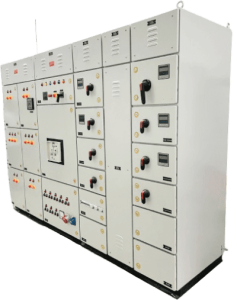
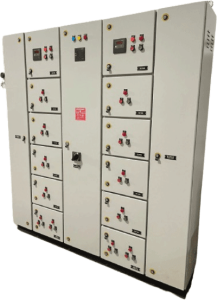
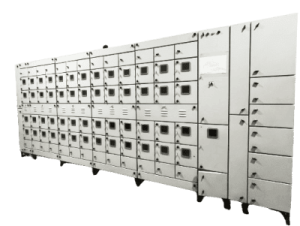
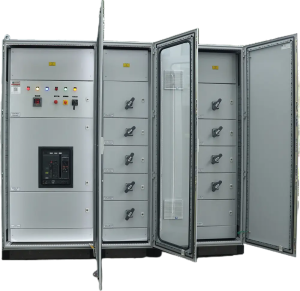
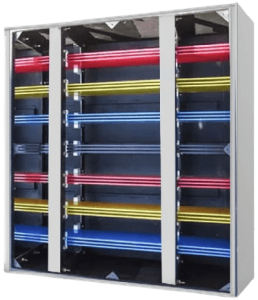
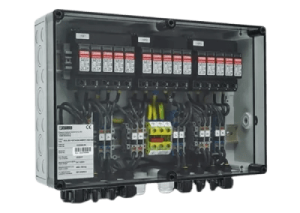
  • Panel Boards and Distribution Systems: Checking for signs of wear, corrosion, overheating, and proper labeling, much like the precision we apply in every electrical distribution panel we design, test, and commission.
  • Compliance with Standards: Ensuring the entire electrical system adheres to relevant national and international safety standards and codes.
  • Load Balancing and Capacity: Assessing if the existing electrical infrastructure can safely handle current and projected power demands, preventing unexpected overloads.

How Synchro Electricals Pvt. Ltd. Champions Reliability

While Synchro Electricals is renowned for our state-of-the-art, leading-manufactured electrical distribution panels, our commitment to preventing unexpected system interruptions extends to advocating for proactive electrical safety measures. We understand that a meticulously designed panel must operate within a robust and safe electrical ecosystem.

Our experience in electrical panel manufacturing gives us unique insights into the common failure points and best practices. We build our panels with safety and longevity in mind, but even the best equipment needs a safe environment to operate optimally. Regular audits help ensure that the entire electrical infrastructure, including the panels, remains in peak condition. They help identify potential weaknesses before they escalate into critical failures, allowing for timely repairs, upgrades, or adjustments.

Proactive vs. Reactive: The Choice is Clear

Waiting for an electrical system to fail before taking action is a reactive and costly approach. A proactive strategy, centered around regular electrical safety audits, offers immense benefits:

  • Reduced Downtime: By identifying and rectifying issues early, you drastically minimize the risk of sudden, unexpected outages.
  • Enhanced Safety: A safer working environment for employees and reduced risk of electrical fires or accidents.
  • Extended Equipment Lifespan: Proper maintenance and timely repairs prevent premature wear and tear on valuable electrical assets.
  • Cost Savings: Preventing major breakdowns is almost always more cost-effective than emergency repairs and dealing with the aftermath of an interruption.
  • Regulatory Compliance: Staying compliant with safety regulations avoids potential penalties and legal issues.

Closing insights

In conclusion, for any business or industrial facility aiming for uninterrupted operations and peak efficiency, regular electrical safety audits are not an option—they are a necessity. Just as Synchro Electricals Pvt. Ltd. is dedicated to delivering reliable electrical distribution panels from our base in Rajkot, Gujarat, we strongly encourage businesses to invest in these crucial audits to safeguard their operations, their assets, and their people.

FAQ

1. Are electrical audits only for large facilities?

No, even small businesses and residential complexes can benefit from audits. Any place using electrical systems is vulnerable to disruptions without regular safety checks.

2. What is an electrical safety audit?

An electrical safety audit is a systematic inspection and evaluation of an organization’s electrical systems to identify potential hazards, ensure regulatory compliance, and improve overall safety and reliability.

3. How can electrical safety audits prevent system interruptions?

Audits detect early signs of equipment wear, faulty wiring, overloading, or grounding issues—factors that could lead to sudden outages or electrical failures if left unaddressed.

4. What types of problems can be identified during an electrical safety audit?

Audits can reveal issues like overheating components, loose connections, outdated circuit breakers, improper earthing, and violations of electrical codes—all of which can cause system breakdowns.

5. Is thermal imaging part of an electrical safety audit?

Yes, many audits include infrared thermography to detect hot spots in panels and connections—indicators of potential failure that may not be visible to the naked eye.

Top 5 Mistakes to Avoid When Purchasing Electrical Panels for Heavy Industries

In the relentless world of heavy industry, every second counts, and every component plays a critical role. While the hum of machinery, the roar of furnaces, and the precise dance of automated systems often capture our attention, there’s a silent guardian behind the scenes: the electrical panel. More than just a box of wires, these panels are the nerve centers that distribute immense power, protect invaluable assets, and ensure the continuous flow of production.

Unlike the relatively straightforward requirements of a residential home, selecting an electrical panel for a heavy industrial environment is a complex undertaking. The colossal loads, harsh operating conditions, and stringent safety regulations demand a level of foresight and precision that goes far beyond typical considerations. Yet, even the most seasoned industrial managers can stumble, leading to costly downtimes, dangerous failures, and significant operational inefficiencies.

Consider this your essential guide to navigating the intricate landscape of industrial electrical panel procurement. We’re going to illuminate the top five critical mistakes that industrial entities often make, helping you safeguard your operations, your people, and your bottom line. For expertly designed, tested, and commissioned solutions, consider leading manufacturers like Synchro Electricals Pvt. Ltd., a trusted name in electrical distribution panels since 2018.

Mistake 1: Underestimating Current and Future Load Demands – The “Just Enough” Industrial Nightmare

In heavy industry, “just enough” is rarely enough. Industrial processes are dynamic, often expanding, upgrading, or integrating new, power-hungry machinery. Failing to accurately project these needs is a recipe for disaster.

The Scenario: You install a panel based purely on current peak load calculations. Perhaps a new production line is planned for next year, or an upgrade to more powerful motors is on the horizon.Your new panel can barely handle today’s demands, let alone tomorrow’s.

The Consequence: Constant overloads, frequent circuit breaker trips (leading to frustrating and costly production halts), premature equipment failure due to power surges or sags, and the eventual, unavoidable expense of a complete, emergency panel replacement.this isn’t just about lost productivity; it’s about potential damage to extremely expensive machinery and compromised safety protocols.

The Solution: Engage in meticulous load forecasting. This involves a comprehensive audit of all existing machinery, factoring in their starting and running currents, power factors, and duty cycles. Crucially, involve your engineering and production planning teams to project future expansion, new machinery acquisitions, and potential technology upgrades (e.g., transitioning from conventional to highly efficient, but power-intensive, induction heating).over-specifying capacity by a healthy margin (e.g., 20-30% beyond immediate needs) is a wise investment.It provides a buffer for unexpected surges, future growth, and ensures stable operations without constantly battling overload issues. Manufacturers like Synchro Electricals Pvt. Ltd. excel in designing panels with future scalability in mind.

Mistake 2: Ignoring Environmental Conditions and Enclosure Ratings – The “One Size Fits All” Industrial Illusion

Industrial environments are notoriously harsh. Dust, moisture, corrosive chemicals, extreme temperatures, and even explosive gases are common. Assuming a standard panel will suffice is a grave oversight.

The Scenario: You purchase an electrical panel with a basic NEMA 1 or IP20 rating, suitable for a clean, dry indoor environment, and install it in a dusty cement plant, a humid textile factory, or a chemical processing unit.

The Consequence: Rapid corrosion of internal components, ingress of dust leading to short circuits, moisture causing insulation breakdown, and potentially explosive atmospheres igniting due to inadequate sealing. This not only significantly shortens the panel’s lifespan but also creates immediate and severe safety hazards, including arc flashes and fires.

The Solution: Meticulously assess the specific environmental conditions of the panel’s intended location. This includes levels of dust, moisture (humidity, splashes, jets), corrosive agents, ambient temperature fluctuations, and the presence of any hazardous (flammable/explosive) gases or dusts. Select an enclosure with the appropriate NEMA (National Electrical Manufacturers Association) or IP (Ingress Protection) rating. For example, NEMA 4X for washdown areas with corrosive elements, NEMA 12 for dusty industrial environments, or NEMA 7/9 for hazardous locations. Investing in the correct enclosure rating upfront is critical for panel longevity, operational reliability, and, most importantly, personnel safety. Reputable manufacturers, such as Synchro Electricals Pvt. Ltd., understand these critical requirements and offer panels tailored for diverse industrial environments.

Mistake 3: Cutting Corners on Safety Features and Arc Flash Mitigation – The “It Won’t Happen to Us” Blind Spot

In industrial settings, the sheer magnitude of available fault current makes arc flashes and electrical explosions a very real, and potentially catastrophic, threat. Prioritizing cost over cutting-edge safety features is an unacceptable risk.

The Scenario: To save on procurement costs, you opt for a panel with minimal safety features, neglecting modern arc flash protection, robust interlocking mechanisms, or remote operation capabilities.

The Consequence: When an electrical fault occurs, the resulting arc flash can cause severe burns, permanent injury, or even death to personnel. Beyond human tragedy, an arc flash can also cause immense damage to equipment, leading to extended downtime and astronomical repair/replacement costs. Ignoring these features also puts your facility in direct violation of evolving safety standards (like NFPA 70E), risking heavy fines and legal liabilities.

Mistake 4: Neglecting Scalability and Modularity – The “Rigid System” Bottleneck

Heavy industries are rarely static. Production lines evolve, processes are optimized, and technology changes. Purchasing a rigid, non-modular electrical panel can quickly become a significant bottleneck.

The Scenario: You acquire a custom-built, fixed-configuration panel that perfectly meets today’s needs. A year later, you need to add a new motor control center, integrate a new PLC, or simply add a few circuits. Your current panel has no spare capacity or provisions for expansion.

The Consequence: This forces a complete re-engineering and costly replacement of the entire panel, even if only minor additions are needed. It leads to prolonged downtimes, complex retrofitting challenges, and a substantial drain on resources that could have been allocated elsewhere. It severely limits your operational agility.

The Solution: Prioritize panels with a modular design. Look for features like standardized compartments, ample spare circuit breaker slots, bus bar systems designed for future expansion, and easy integration of new control or protection modules. Panels that allow for hot-swappable components or straightforward addition of new sections offer immense flexibility. Discuss your long-term growth projections with the panel manufacturer or system integrator to ensure the design inherently supports future expansion without requiring a complete overhaul. Leading manufacturers like Synchro Electricals Pvt. Ltd. understand the need for adaptability in industrial settings.

Mistake 5: Overlooking Integration Capabilities and Smart Features – The “Isolated Island” Problem

In today’s smart factories and Industry 4.0 environments, electrical panels are no longer isolated units. They are vital data hubs that can provide crucial insights into energy consumption, equipment health, and overall operational efficiency.

The Scenario: You purchase a basic panel with traditional analog meters and no communication capabilities, even though your plant is moving towards advanced automation and data analytics.

The Consequence: You miss out on invaluable operational data that could optimize energy usage, predict maintenance needs, or identify inefficiencies. Troubleshooting becomes a manual, time-consuming process. The panel becomes an isolated island, hindering your facility’s overall digital transformation efforts and preventing the realization of predictive maintenance and energy management benefits.

The Solution: Consider panels equipped with smart circuit breakers, intelligent motor control centers (MCCs), and integrated power monitoring devices that offer communication protocols like Modbus, Ethernet/IP, or Profinet. These enable real-time data acquisition on voltage, current, power factor, harmonics, and energy consumption. This data can be fed into your SCADA system, DCS, or a dedicated energy management platform, allowing for predictive maintenance, remote diagnostics, energy optimization, and precise fault location. Investing in these “smart” capabilities positions your facility for greater efficiency, reduced downtime, and enhanced operational intelligence. As specialists in the design, testing, and commissioning of electrical distribution panels, Synchro Electricals Pvt. Ltd. offers solutions that are primed for seamless integration into modern industrial ecosystems

The Industrial Imperative: A Proactive Approach to Power

In the demanding landscape of heavy industry, an electrical panel is far more than a utility item; it is a strategic asset. Avoiding these common mistakes by meticulously planning, prioritizing safety, anticipating future needs, and embracing technological advancements will not only protect your investments but empower your operations for sustainable success. Choose your industrial powerhouse wisely, and ensure it’s built to withstand the rigorous demands of tomorrow, today.

FAQs

1. What are the biggest mistakes to avoid when buying electrical panels for heavy industrial use?

Ignoring load requirements Not considering future scalability Choosing substandard materials Overlooking compliance with local electrical codes Neglecting proper vendor vetting and support

2. Why is it critical to consider future scalability in electrical panels?

Heavy industries often expand or modify operations. Failing to plan for future loads can lead to premature panel replacement or costly retrofits. Scalable designs save time and money long-term.

3. How can I ensure the electrical panel complies with local and international codes?

Work with certified manufacturers and demand compliance documentation like UL, IEC, or ANSI standards. Involve a licensed electrical engineer familiar with local regulations during the specification phase.

4. What should I look for in a reliable electrical panel supplier?

Proven track record in heavy industries Availability of technical support Customization capabilities Strong after-sales service Certification and warranty offerings

5. How do I determine the correct panel capacity for my facility?

Conduct a detailed load analysis with help from an electrical engineer. Factor in peak loads, operational diversity, safety margins, and potential future expansions


Why Top Contractors Choose Us for Electrical Panel Manufacturing & Testing

In the ever-evolving landscape of industrial and infrastructure development, contractors face rising challenges—tight project deadlines, increasing demand for energy efficiency, evolving safety regulations, and the need for customized electrical solutions. Choosing the right partner for specializing in the design, testing, and commissioning of electrical distribution panels. isn’t just a technical decision—it’s a strategic business move.

At Synchro Electricals Pvt. Ltd , established in 2018 and based in Rajkot, Gujarat, is a leading manufacturer specializing in the design, testing, and commissioning of electrical distribution panels.
we’ve positioned ourselves as the trusted manufacturing and testing partner for top contractors across industries. With years of expertise, a relentless commitment to quality, and future-ready infrastructure, we don’t just deliver electrical panels—we deliver peace of mind.

Let’s dive into the key reasons why top contractors consistently choose Synchro Electricals as their preferred electrical panel partner.

1. Tailor-Made Electrical Panel Solutions, Not Templates

At Synchro Electricals, we understand that no two projects are the same. Whether it’s a greenfield infrastructure project, a large-scale factory expansion, or an energy optimization retrofit, each site presents unique challenges and load requirements.
That’s why we focus on customized electrical panel manufacturing that aligns with the exact needs of contractors and end users. We specialize in:

There is much more in Manufacturing,Designing,and Testing Commissioning of Electrical Distribution panels

What sets Synchro Electricals apart is our engineering-first approach. From initial design consultation to the final commissioning phase, our team of experienced electrical engineers and system designers work closely with contractors to:

2. Expert Engineering and Technical Guidance

  • Analyze system load requirements
  • Ensure regulatory and safety compliance
  • Anticipate future scalability
  • Recommend layout optimizations and component selection
  • Provide proactive technical insights

Contractors count on us not just for execution but for technical partnership. Our engineering support helps them deliver smarter, safer, and more sustainable electrical systems to their clients.

3. ISO-Certified Manufacturing and Cutting-Edge Infrastructure

Our state-of-the-art facility is built for high-precision, high-volume production. With ISO-certified processes and modern machinery, Synchro Electricals maintains the highest standards in fabrication, wiring, assembly, and finishing.

What contractors value most about our manufacturing capability:

  • Automated cutting, bending & punching machines for perfect panel structures
  • Standardized wiring practices with high-quality cables and terminals
  • Use of branded components like Schneider, Siemens, ABB, and L&T
  • Panel enclosures that meet IP and fire safety ratings
  • Climate-controlled environment for dust-free assembly
  • With consistent quality and robust production planning, we ensure on-time delivery without compromising on durability or design.

4. Comprehensive Testing & Quality Assurance

At Synchro Electricals, testing isn’t just a step—it’s our promise. Every panel goes through multiple quality assurance checkpoints, ensuring that what leaves our facility is field-ready and fault-proof.

Our rigorous testing includes:

  • High Voltage Breakdown Test (Hi-pot)
  • Insulation Resistance Test (IR)
  • Functional Load Testing
  • Thermal Imaging Analysis
  • Earthing and Continuity Testing
  • Factory Acceptance Tests (FAT) with client witnessing
  • Site Commissioning Support

This focus on reliability reduces post-installation failures and gives contractors confidence that the systems will perform under real-world conditions.

5. Compliance with Indian and International Standards

We understand the regulatory pressures contractors face. That’s why Synchro Electricals is committed to full compliance with global and national standards, including:

  • IEC 61439 (Low-voltage switchgear and control gear assemblies)
  • IS 8623 and other relevant IS codes
  • CE and RoHS compliance for exported panels
  • Custom compliance solutions for Oil & Gas, Pharma, and Mission-Critical Infrastructure

When contractors choose Synchro Electricals, they ensure that their projects are inspection-ready and audit-proof, saving valuable time and resources.

6. Transparent Project Management & Client Communication

One of the top reasons contractors choose us repeatedly is our professional and transparent project handling. From inquiry to delivery, we offer:

  • Dedicated project coordinators
  • Detailed Gantt charts and milestone tracking
  • Weekly progress reports with real-time updates
  • Collaborative document sharing for approvals and revisions
  • Prompt customer support and issue resolution

This level of communication builds trust, minimizes delays, and ensures all stakeholders are aligned throughout the project lifecycle.

7. Sustainable & Future-Ready Panels

As sustainability becomes a top priority, contractors are seeking eco-conscious solutions. Synchro Electricals is ahead of the curve with:

  • Panels designed for low energy losses
  • Power factor correction and harmonic filtering
  • Support for IoT integration and remote monitoring
  • Eco-friendly raw materials and processes

Whether it’s green buildings or renewable power plants, our panels are built for the future, meeting energy efficiency goals and smart grid compatibility.

8. Client Portfolio That Inspires Confidence

We’ve delivered thousands of successful panel solutions to leading contractors, EPC firms, OEMs, and system integrators across diverse sectors:

  • Industrial automation and process control
  • Renewable energy (solar, wind, hybrid)
  • Real estate and commercial buildings
  • Smart infrastructure and utilities
  • Oil & Gas, Pharmaceuticals, and FMCG manufacturing

Our repeat business rate is over 85%, reflecting the satisfaction and trust our clients place in Synchro Electricals.

9. After-Sales Support That Keeps Systems Running Smoothly

We believe in long-term relationships, not just transactions. Our post-installation support ensures that your panels continue to perform optimally with:

  • Remote troubleshooting and diagnostics
  • On-site support and upgrades
  • Component replacement and service kits
  • AMC (Annual Maintenance Contract) plans
  • Training for maintenance personnel

Overall Reflection: Partner with Synchro Electricals—Where Precision Meets Performance

Top contractors can’t afford to risk delays, safety failures, or unreliable systems. That’s why they choose Synchro Electricals. With our engineering expertise, smart manufacturing, robust testing, and commitment to client success, we’ve become a trusted ally in delivering powerful, efficient, and future-proof electrical solutions.
Whether you’re building a factory, powering a smart city, or scaling up your energy infrastructure—Synchro Electricals has the solution built for your project. Let’s power progress—together.

FAQ

1. What types of electrical panels does Synchro Electricals manufacture?

We manufacture a wide range of panels, including MCC (Motor Control Center), PCC (Power Control Center), ATS (Automatic Transfer Switch), AMF (Auto Mains Failure), APFC (Automatic Power Factor Correction), VFD panels, LT panels, and customized solutions based on specific industry requirements.

2. Are your panels compliant with Indian and international safety standards?

Yes. All our panels are designed and tested as per IEC 61439, IS standards, and other relevant compliance protocols. We also offer CE and RoHS-compliant panels for global projects.

3. Do you provide support during installation and commissioning?

Absolutely. We offer complete commissioning support including factory acceptance tests (FAT), site testing, and on-site integration help. Our engineers can guide your team to ensure smooth handover and startup.

4. Can Synchro Electricals customize panels for specific industrial applications?

Yes. Customization is one of our strengths. We work closely with contractors and consultants to design panels that align with the exact specifications, environment, and load demands of your project.

5. How do you ensure quality in manufacturing and testing?

Quality is embedded in our process. Our facility follows ISO standards and uses advanced equipment for fabrication and wiring. We perform multiple levels of testing including IR testing, HV testing, thermal imaging, and full functional load testing before dispatch.

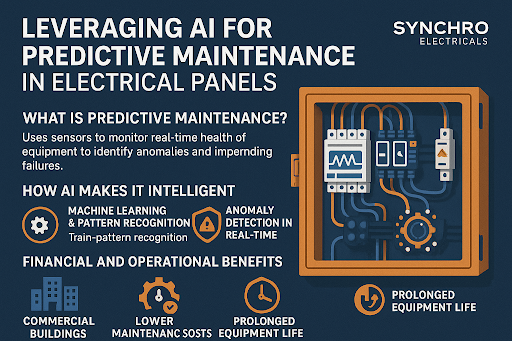
Leveraging AI for Predictive Maintenance in Electrical Panels

Introduction: The Smart Revolution in Electrical Infrastructure

Electrical panels are the nerve centers of any facility—be it a bustling manufacturing plant, a high-rise office tower, or a state-of-the-art hospital. These panels manage and distribute electricity, keep operations running smoothly, and protect against overloads and short circuits. However, like any mechanical system, electrical panels age, degrade, and sometimes fail—often with costly consequences.

In the past, we dealt with such issues reactively or, at best, followed a preventive maintenance schedule. But the times have changed. With the help of Artificial Intelligence (AI), predictive maintenance is transforming how we care for our electrical systems. And at the heart of this evolution is Synchro Electricals, a brand dedicated to bringing intelligent, data-driven solutions to the forefront of industrial and commercial electrical maintenance.

Let’s dive into how AI is rewriting the rulebook and why integrating it with predictive maintenance is no longer optional—it’s essential.

What Is Predictive Maintenance?

Predictive maintenance is not just a buzzword—it’s a data-centric approach to preventing equipment failure. Unlike traditional maintenance, which either waits for things to break (reactive) or adheres to a strict timeline (preventive), predictive maintenance monitors the real-time health of your systems and pinpoints issues before they become actual problems.

Here’s how it works: Sensors collect continuous data on equipment parameters like temperature, vibration, voltage, and current. This data is then analyzed to detect abnormalities or signs of wear and tear. Think of it like a smart doctor constantly monitoring your health and warning you before you get sick.

When applied to electrical panels, this approach is revolutionary. Panels often fail silently, showing no visible signs until a sudden trip, blackout, or fire. Predictive maintenance makes these hidden problems visible, actionable, and, most importantly, preventable.

Why Electrical Panels Need Smarter Maintenance

Electrical panels are under constant stress. They’re subject to load fluctuations, temperature spikes, environmental contaminants, and mechanical wear. Over time, even minor issues like a loose terminal or an unbalanced load can spiral into serious faults.

Consider this: one tripped breaker in a main distribution panel can halt operations for hours, or even days, in large facilities. The result? Production losses, reputational damage, and expensive emergency repairs.

By leveraging AI-driven predictive maintenance, businesses can gain:

  • Real-time visibility into panel performance. 
  • Early detection of anomalies and risks. 
  • Data-backed decision-making for replacements and upgrades. 

At Synchro Electricals, we specialize in integrating smart AI sensors into panels, enabling real-time monitoring and instant notifications about unusual activity, long before it becomes a crisis.

How AI Makes Predictive Maintenance Truly Intelligent

AI elevates predictive maintenance by adding layers of analysis, learning, and automation. Here’s how:

1. Machine Learning & Pattern Recognition

AI systems don’t just monitor—they learn. By analyzing historical performance data, AI identifies usage patterns and typical fault conditions. Over time, it becomes better at predicting potential failures, even those with no visible symptoms.

For example, AI might detect a pattern where a slight rise in temperature and minor current deviation usually precede a circuit breaker fault. It can then alert technicians days or even weeks in advance.

2. Anomaly Detection in Real-Time

One of AI’s most powerful features is its ability to detect anomalies as they occur. While a human might overlook a 2-degree temperature increase or a 3% voltage dip, AI sees these as potential red flags, especially when they deviate from learned patterns.

3. Self-Learning and Adaptation

AI systems used by Synchro Electricals improve over time. As more data is collected, the system continuously refines its predictions, becoming increasingly accurate and efficient. It’s like hiring a maintenance expert who never stops studying.

Components of an AI-Enabled Predictive Maintenance System

To implement a robust AI-based predictive maintenance system, you need more than just sensors. Here’s a quick breakdown:

1. IoT Sensors

These tiny devices are installed within and around electrical panels to capture live data on:

  • Temperature 
  • Voltage 
  • Current 
  • Humidity 
  • Vibration 

2. AI Analytics Engine

This is the brain of the system. It processes the incoming data, compares it with historical data, and identifies patterns, risks, and actionable insights.

3. Cloud Infrastructure

All data is securely stored and processed in the cloud, making it accessible from any device. Synchro Electricals provides centralized dashboards so managers can monitor multiple facilities from a single interface.

4. User Interface & Alerts

Custom dashboards, alerts via SMS or email, and maintenance scheduling tools make it easy for teams to act on insights without confusion or delay.

Financial and Operational Benefits of AI-Powered Maintenance

1. Reduced Operational Downtime

Time is money, and unplanned outages are expensive. With AI predicting faults in advance, you can schedule maintenance during off-hours, avoiding production halts and improving uptime.

2. Lower Maintenance Costs

Stop replacing parts “just in case.” With AI, you only intervene when there’s a proven need. This eliminates unnecessary costs and improves efficiency.

3. Prolonged Equipment Life

By addressing wear and tear early, you extend the usable life of electrical panels and their components. That’s a win for both your budget and your sustainability goals.

4. Improved Safety

AI systems reduce the risk of fires, shocks, and other electrical hazards by flagging dangerous conditions like overheating, insulation breakdown, or current leakage.

Challenges and How to Overcome Them

1. Initial Investment

AI systems aren’t free. But with ROI often realized within 6–12 months, the long-term gains far outweigh the costs. Synchro Electricals also offers phased deployments to reduce the upfront burden.

2. Compatibility with Legacy Infrastructure

Not all old panels are AI-ready. Our engineers evaluate your existing setup and suggest cost-effective retrofitting strategies to bring legacy panels up to speed.

3. Training and Adoption

Change can be intimidating. That’s why we provide hands-on training to your staff, helping them understand the new tools and become confident in using AI insights.

Looking Ahead: The Future of Maintenance is Autonomous

The next frontier in AI-driven maintenance is self-healing systems—panels that not only predict issues but also act on them. Imagine a breaker rerouting power autonomously, or a panel adjusting cooling based on temperature sensors—all without human intervention.

At Synchro Electricals, we are actively developing these capabilities. The goal? Zero downtime, maximum safety, and systems that take care of themselves.

Conclusion: Smarter Maintenance Begins Today

Electrical panel maintenance doesn’t have to be a guessing game anymore. With AI, you gain foresight, control, and confidence. And with Synchro Electricals, you get a trusted partner committed to helping your systems perform at their best, day in, day out.

The question isn’t if you should adopt AI for predictive maintenance. It’s when. And the best time to start was yesterday. The next best time? Today.

FAQs

What happens if the AI detects a potential failure?

You receive alerts via SMS, email, or app dashboards with detailed diagnostics and recommended actions.

Is AI-based predictive maintenance expensive?

Not when compared to the cost of unplanned outages and emergency repairs. Most of our clients see a full return on investment within 6–12 months.

How secure is my operational data?

We use advanced encryption, secure cloud hosting, and strict access controls to protect your data.


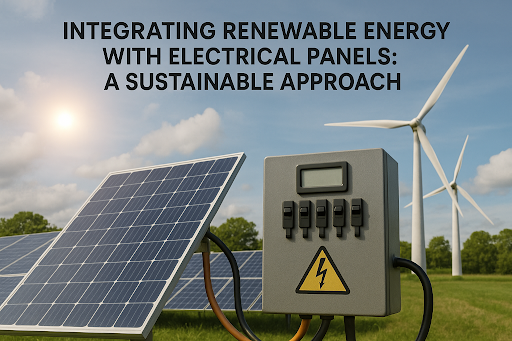
Integrating Renewable Energy with Electrical Panels: A Sustainable Approach

Introduction

In today’s rapidly evolving energy landscape, the integration of renewable energy sources into existing electrical panels and infrastructures is not just a trend—it’s a necessity. As the world grapples with climate change and the depletion of fossil fuels, the shift towards sustainable energy solutions becomes imperative. At the heart of this transition lies the seamless integration of renewable energy systems with electrical panels, ensuring efficient energy distribution and management.

Synchro Electricals, a pioneer in the field of electrical panel manufacturing, stands at the forefront of this green revolution. With a commitment to innovation and sustainability, Synchro Electricals offers a comprehensive range of panels designed to facilitate the integration of renewable energy sources, ensuring optimal performance and reliability.

The Role of Electrical Panels in Renewable Energy Integration

Electrical panels serve as the nerve center of any power distribution system. In the context of renewable energy, these panels play a crucial role in:

  • Energy Distribution: Managing the flow of electricity from renewable sources to various loads.
  • Protection: Safeguarding the system against faults and overloads.
  • Monitoring: Providing real-time data on energy production and consumption.

By integrating renewable energy sources like solar and wind into these panels, we can ensure a stable and efficient power supply, reducing reliance on conventional energy sources and minimizing environmental impact.

Synchro Electricals: Leading the Way

Established in 2018, Synchro Electricals Pvt. Ltd. has rapidly emerged as a leader in designing, testing, and commissioning electrical panels. With a diverse product portfolio and a team of over 25 experts, Synchro Electricals is dedicated to providing top-notch solutions tailored to the unique needs of renewable energy integration.

Key Panels Facilitating Renewable Energy Integration

1. Solar ACDB/DCDB Boxes

 Solar ACDB/DCDB Boxes

Solar ACDB (Alternating Current Distribution Box) and DCDB (Direct Current Distribution Box) are essential components in solar power systems. They:

  • ACDB: Manages the AC power from the inverter to the grid or load.
  • DCDB: Handles the DC power from solar panels to the inverter.

These boxes ensure safe and efficient energy flow, equipped with protective devices like MCBs, surge protection devices, and fuses.

2. 800Vac Solar Type Tested Panel

800Vac Solar Type Tested Panel

Designed to handle high-voltage solar applications, the 800Vac Solar Type Tested Panel ensures:

  • Safety: Adherence to international standards.
  • Efficiency: Optimal performance under varying load conditions.
  • Reliability: Robust construction for long-term use.

3. PCC (Power Control Centre) Panel

PCC Panel

The PCC Panel is integral for:

  • Power Distribution: Managing the distribution of electrical power.
  • Monitoring: Real-time tracking of system parameters.
  • Protection: Safeguarding against faults and overloads.

4. MCC (Motor Control Centre) Panel

MCC Panel (Motor Control Centre)

For systems involving motors, the MCC Panel offers:

  • Control: Efficient motor operation management.
  • Protection: Overload and fault protection.
  • Monitoring: Real-time status updates.

5. APFC (Automatic Power Factor Correction) Panel

APFC_panel

The APFC Panel enhances energy efficiency by:

  • Power Factor Correction: Reducing reactive power consumption.
  • Energy Savings: Lower electricity bills.
  • System Stability: Improved voltage regulation.

6. VFD (Variable Frequency Drive) Panel

VFD_panel

The VFD Panel is crucial for:

  • Speed Control: Adjusting motor speeds as per requirements.
  • Energy Efficiency: Reduced power consumption.
  • Extended Equipment Life: Minimizing mechanical stress.

7. Meter Panel

Meter_panel

The Meter Panel provides:

  • Energy Monitoring: Tracking consumption and generation.
  • Data Logging: Historical data for analysis.
  • Billing Accuracy: Precise energy usage records.

8. Solar Power Panel

Soalr_Power_Panel

Synchro Electricals’ Solar Power Panels are:

  • Efficient: High energy conversion rates.
  • Durable: Built to withstand environmental challenges.
  • Versatile: Suitable for various applications.

9. L.T. Bus Duct/Sandwich Bus Duct

LT_bus_duct

These components ensure:

  • Efficient Power Distribution: Minimal energy losses.
  • Space Saving: Compact design.
  • Safety: Reduced risk of electrical faults.

10. 1500VDC Solar DCDB Panel

1500VDC

For high-voltage solar systems, this panel offers:

  • Enhanced Safety: Designed for high DC voltages.
  • Reliability: Robust construction.
  • Compliance: Meets international standards.

11. Type Tested Panel

type_tested_panel

Type Tested Panels guarantee:

  • Standardization: Adherence to global norms.
  • Safety: Verified performance under test conditions.
  • Quality Assurance: Consistent and reliable operation.

Turnkey Projects (SITC): A Comprehensive Solution

Turnkey Projects (SITC)

Synchro Electricals offers Turnkey Projects encompassing:

  • Supply: Provision of all necessary components.
  • Installation: Expert setup of systems.
  • Testing: Ensuring optimal performance.
  • Commissioning: Final system integration and activation.

This holistic approach ensures seamless renewable energy integration, tailored to specific client needs.

Challenges in Renewable Energy Integration

While the benefits are numerous, challenges include:

  • Intermittency: Solar and wind energy are weather-dependent.
  • Infrastructure Compatibility: Existing systems may require upgrades
  • Regulatory Hurdles: Navigating policies and standards.

Addressing these challenges requires innovative solutions and expert guidance.

The Future of Renewable Energy Integration

The path forward involves:

  • Smart Grids: Enhanced communication between energy sources and consumers.
  • Energy Storage: Efficient storage solutions like batteries.
  • IoT Integration: Real-time monitoring and control.

Synchro Electricals is committed to staying at the forefront of these advancements, ensuring clients benefit from the latest technologies.

Conclusion

Integrating renewable energy with electrical panels is a pivotal step towards a sustainable future. With a comprehensive range of products and services, Synchro Electricals is poised to lead this transformation, offering solutions that are efficient, reliable, and tailored to modern energy needs.

FAQs

Why is integrating renewable energy with electrical panels important?

Integrating renewable energy ensures efficient energy distribution, reduces reliance on fossil fuels, and promotes environmental sustainability.

What makes Synchro Electricals' panels suitable for renewable energy integration?

Synchro Electricals' panels are designed to handle the unique demands of renewable energy sources, ensuring safety, efficiency, and compliance with international standards.

How does the APFC Panel improve energy efficiency?

The APFC Panel corrects the power factor, reducing reactive power consumption, leading to lower electricity bills and improved system stability.

What is the significance of Type Tested Panels?

Type Tested Panels have undergone rigorous testing to ensure they meet specific performance and safety standards, guaranteeing reliability.

How does Synchro Electricals support clients in renewable energy projects?

Through Turnkey Projects (SITC), Synchro Electricals offers comprehensive solutions, from supply and installation to testing and commissioning, ensuring seamless integration.

The Rise of Smart Electrical Panels: Enhancing Industrial Efficiency

In today’s fast-paced industrial environment, optimizing energy efficiency, ensuring operational continuity, and enhancing safety are more critical than ever. Smart electrical panels, driven by advanced technologies such as the Internet of Things (IoT), Artificial Intelligence (AI), and machine learning, are at the forefront of this transformation. At Synchro Electricals, we pride ourselves on delivering innovative solutions that meet the dynamic needs of modern industries.

Explore our product range here: Synchro Electricals Electrical Panels

What Are Smart Electrical Panels?

Smart electrical panels are advanced systems that provide centralized control and monitoring of electrical networks. Unlike traditional panels, smart panels offer real-time insights, automation, predictive maintenance, and remote access capabilities. They are essential components in industries that demand high efficiency, minimal downtime, and maximum safety.

At Synchro Electricals, our smart panel solutions include:

These offerings are designed to integrate seamlessly with smart technologies and elevate the efficiency of industrial operations.

Key Benefits of Smart Electrical Panels

1. Real-Time Monitoring

Smart panels provide continuous, real-time data on electrical system performance. This allows for early detection of issues such as overloads, short circuits, or equipment failures, enabling proactive maintenance and minimizing unexpected downtimes.

2. Improved Energy Efficiency

Through data analytics and energy usage tracking, smart panels can identify inefficiencies and recommend optimization strategies. At Synchro Electricals, our APFC Panels and Solar Power Panels help industries significantly reduce electricity costs and enhance sustainability.

3. Enhanced Safety

Safety is paramount in any industrial environment. Smart panels identify risks like overheating, arc faults, or equipment anomalies. Our VCB Panels, Type Tested Panels, and AMF/ATS Panels are built with robust safety protocols to protect both assets and personnel.

4. Remote Access and Control

Using IoT technology, Synchro’s smart panels offer full remote access. Plant managers can control and monitor systems from any location, enabling quicker decision-making and increased flexibility.

5. Customization and Integration

Every industry has unique electrical requirements. Synchro’s smart solutions—like the Synchronizing Panel, VFD Panel, and Meter Panels—are fully customizable and designed to integrate with SCADA, ERP, and building management systems (BMS).

6. Automation and Intelligent Control

By automating routine tasks, smart panels reduce human error and operational latency. Our Lighting Distribution Panels, MCC Panels, and Turnkey Project (SITC) solutions simplify complex control systems with precision.

7. Modular and Scalable Design

As industries grow, so do their power needs. Our L.T. Bus Duct/Sandwich Bus Duct and 800Vac Solar Type Tested Panels are designed for scalability, making future upgrades simple and cost-effective.

8. Wireless Connectivity

Our panels are IoT-enabled, allowing smart sensors and devices to communicate wirelessly. This reduces the need for extensive wiring and lowers installation costs.

Industry-Wide Impact of Smart Panels

Manufacturing

Smart electrical panels like our PCC Panels and MCC Panels play a crucial role in manufacturing environments by reducing downtime, managing loads efficiently, and automating production processes.

Data Centers

Energy-intensive facilities like data centers benefit from our APFC Panels, VCB Panels, and Type Tested Panels, which ensure optimal energy use and fail-safe operations.

Commercial Buildings

With our Lighting Distribution Panels, Meter Panels, and AMF/ATS Panels, commercial buildings can achieve better energy efficiency, improved safety, and lower operational costs.

Renewable Energy Installations

Our range of solar-specific products—including Solar ACDB/DCDB Boxes, 800Vac Solar Type Tested Panels, and 1500VDC Solar DCDB Panels are perfect for integrating with solar energy systems, enhancing renewable energy management.

Future Trends in Smart Electrical Panels

Advanced Safety and Diagnostics

Smart panels will continue to evolve with advanced fault diagnostics, auto-alerts, and live status tracking. Synchro’s upcoming range of Type Tested Panels and AI-integrated systems aim to lead this innovation.

Seamless Integration with Industrial Systems

Future panels will integrate deeper with SCADA and ERP systems, allowing unified control over power, process, and productivity.

AI and Machine Learning

AI-powered panels will forecast energy demands, predict failures, and self-optimize, ensuring maximum performance with minimal input. At Synchro Electricals, we’re already developing solutions in this direction.

Why Choose Synchro Electricals?

  • Wide Product Range: From VCB Panels to Solar ACDB Boxes, we offer a full suite of smart panel solutions.
  • Cutting-Edge Technology: All panels are built with IoT, AI, and remote monitoring capabilities.
  • Tailored Solutions: Custom-built for your industry, project scale, and budget.
  • Proven Expertise: Years of experience in delivering Turnkey Projects (SITC) across the manufacturing, infrastructure, and renewable energy sectors.
  • After-Sales Support: Dedicated support and maintenance services to ensure uninterrupted performance.

FAQs: Smart Electrical Panels by Synchro Electricals

What makes a panel smart ?

A smart panel includes features like real-time monitoring, data analytics, IoT connectivity, automation, and AI-based predictive maintenance.

Electricals’ panels compatible with solar systems?

ACDB/DCDB Boxes, 800Vac Solar Type Tested Panels, and 1500VDC Solar DCDB Panels, all of which integrate seamlessly with solar energy systems.

What industries do your panels serve?

We serve manufacturing, commercial, renewable energy, data centers, and infrastructure industries.

Do you offer customized panel solutions?

Yes, our Turnkey Project (SITC) approach ensures tailor-made panels for every client’s unique requirements.

Are your panels type tested and certified?

Yes. Our Type Tested Panels and other high-voltage solutions meet all standard certifications and undergo rigorous testing.

What is the advantage of using APFC Panels?

APFC Panels automatically regulate the power factor, reducing energy bills and improving system efficiency.

Do you provide installation and commissioning?

Yes, we handle the entire lifecycle—from design to commissioning—as part of our Turnkey Projects (SITC).

Final Thoughts

Smart electrical panels are the backbone of Industry 4.0. They empower businesses to achieve operational excellence, energy efficiency, and system reliability. At Synchro Electricals, we are committed to leading this revolution with cutting-edge solutions tailored to your needs.

Explore our smart panel range here: Synchro Electricals Electrical Panels

Stay ahead. Stay smart. Choose Synchro Electricals.


Why Every Industry Needs a Monsoon Electrical Safety Audit

Monsoon is a season of life, lush greenery, and relief from scorching heat—but for industries, it’s also a season of risk. As factories, offices, hospitals, and data centers brace for the deluge, one often-overlooked aspect is electrical safety. Power infrastructure faces one of its toughest challenges during heavy rains. Water doesn’t need an invitation; it seeps, condenses, and corrodes with ease, wreaking havoc on sensitive systems. That’s where a Monsoon Electrical Safety Audit becomes essential.

And when it comes to thorough, industry-specific audits, Synchro Electricals stands at the forefront. Our preemptive inspections are tailored to different sectors, ensuring your operations continue smoothly, no matter how heavy the downpour.

Introduction to Monsoon Electrical Safety

The Electrical Perils of Monsoon Season

When the skies open up, it’s not just streets that get flooded — electrical infrastructure faces its own silent, creeping crisis. Water ingress in panel boards, cable trenches, substations, and control rooms can lead to catastrophic outcomes. Condensation inside sealed panels, arc tracking due to moisture, and corrosion in terminal connections are common monsoon-induced problems.

Industries experience fluctuating loads due to increased HVAC usage and power interruptions. Combined with aging infrastructure, the risk multiplies. Water acts like a hidden predator—it doesn’t just cause immediate short circuits but triggers long-term deterioration that slowly compromises system integrity.

A monsoon audit identifies and addresses these risks before the rains arrive, minimizing the chance of unexpected breakdowns, unplanned shutdowns, or even electrical fires.

Why a Monsoon Electrical Audit Matters

Electrical systems are built to handle heavy loads and routine stresses, but monsoon weather introduces factors they aren’t naturally designed to resist. Imagine your factory’s main distribution board getting fogged up, or condensation trickling onto high-voltage busbars—it’s a ticking time bomb.

This is why Synchro Electricals recommends annual monsoon audits for every industry. It isn’t just about preventing shutdowns. It’s about employee safety, asset protection, compliance with statutory regulations, and securing business continuity. A minor issue, if ignored, can escalate into a production halt or a fire incident.

What is a Monsoon Electrical Safety Audit?

Core Components of a Monsoon Audit

A Monsoon Electrical Safety Audit is a specialized, comprehensive assessment conducted before or during the rainy season to prepare and safeguard electrical installations against water-related hazards. It’s not your routine maintenance check — it’s a deeper dive into monsoon-specific vulnerabilities.

Core checks include:

  • Insulation Resistance Testing (IR): To detect dampness and breakdown points in cables and switchgear.

  • Thermal Imaging: To identify hotspots and overheating connections invisible to the naked eye.

  • Visual Inspection: Spotting rusted terminals, water droplets, fogging in panels, and waterlogged trenches.

  • Earthing System Verification: Ensuring earthing is continuous, robust, and moisture-resistant.

  • Lightning Protection System Check: Confirming surge arrestors and lightning protection devices are functional.

  • Emergency Backup Readiness: Verifying DG sets, UPS systems, and alternate power sources are monsoon-ready.

How Synchro Electricals Specializes in Monsoon Audits

Synchro Electricals understands that no two facilities have the same risk profile. A pharma plant’s cleanroom and a data center’s server farm require different safety protocols. That’s why our engineers craft customized audit plans considering operational priorities, equipment configurations, and infrastructure layouts.

What sets us apart is our diagnostic-driven approach. Alongside standard visual and insulation checks, we deploy:

  • Digital Moisture Meters inside panel boards.

  • Ground Loop Impedance Testers to verify earthing.

  • Power Quality Analyzers to monitor transient voltages and harmonics during damp conditions.

We back every inspection with a detailed report outlining critical, major, and minor observations, complete with actionable recommendations, visual documentation, and maintenance schedules.

Why Monsoons Pose Unique Electrical Risks

Water Ingress and Moisture Condensation

Monsoon rains find their way into the most unlikely places. Even panels with IP55 or IP65 ratings can succumb to micro-leaks or loose gaskets. Moisture ingress is dangerous because it can cause insulation failure, rust, arc tracking, and even internal panel fires.

Condensation is another stealthy threat. With fluctuating temperatures, particularly between warm equipment and cool, rain-soaked surroundings, water droplets form inside panels and junction boxes. Left unchecked, this leads to progressive degradation of insulation, metallic corrosion, and short circuits.

During audits, Synchro Electricals uses thermal scanners and moisture meters to detect areas with abnormal temperature variations and water retention. This helps prevent latent faults that could otherwise manifest mid-season.

Impact of Humidity on Insulation and Panels

Humidity affects more than comfort levels; it significantly influences electrical system reliability. High ambient moisture levels reduce insulation resistance in cables and control wiring, increasing leakage current. This can trip protection systems or cause continuous nuisance faults that affect operations.

Aging installations are especially prone to insulation degradation. Paper-insulated cables, old porcelain insulators, and non-weatherproof switchboards become liability zones during rains.

Synchro Electricals recommends pre-monsoon IR testing of all feeders, motor connections, and control circuits to identify weak points and plan preventive maintenance.

Increased Load and Infrastructure Strain

The monsoon season often coincides with peak operational demand. Air-conditioning systems, dehumidifiers, and critical equipment run overtime, stressing existing infrastructure. If the electrical system isn’t audited for capacity, load balancing, and fault tolerance, it might buckle under pressure.

Many industries experience voltage fluctuations, harmonics, and power dips, leading to overheating of transformers, UPS units, and cables.

Synchro Electricals integrates load analysis into every monsoon audit to identify overburdened circuits and recommend balancing, component upgrades, or protective relays to safeguard assets.

Industries at High Risk During Monsoon

Manufacturing and Processing Plants

Factories and processing units are highly dependent on an uninterrupted electrical supply. Their operations hinge on intricate systems of motor control centers (MCCs), variable control breakers (VCBs), transformers, and automation logic. A single electrical failure during the monsoon season can halt production lines, damage expensive machinery, and delay critical orders.

Heavy rains increase the moisture content inside production facilities, affecting cable trays, control panels, and power lines. Water ingress in cable trenches and outdoor panels is common, leading to tripping, insulation failure, and corrosion.

At Synchro Electricals, we perform dedicated monsoon audits for manufacturing units by:

  • Checking the water-tightness of panel boards.

  • Verifying earthing continuity and earth pit resistances.

  • Inspecting cable terminations and gland sealing.

  • Performing IR and thermographic scanning on MCC, VCB, and LT panels.

  • Ensuring drainage around outdoor substations.

We also recommend preventive measures like installing canopy covers, replacing rusted glands, and upgrading seals for outdoor junction boxes. Our audits ensure manufacturers stay operational, avoiding costly downtimes.

Pharmaceutical and Chemical Industries

In pharmaceutical and chemical plants, electrical safety isn’t just about operational continuity — it’s about human safety and regulatory compliance. These facilities often house explosion-proof (EX) zones where a minor electrical fault can trigger a catastrophic event.

Monsoon weather poses serious risks due to humidity and water intrusion affecting intrinsically safe circuits, control systems, and emergency power setups.

Synchro Electricals specializes in monsoon audits for pharma and chemical plants by:

  • Inspecting ATEX-rated panels for signs of moisture, corrosion, or sealant degradation.

  • Verifying the reliability of emergency generators and UPS systems.

  • Checking waterproofing of cable glands, conduits, and junction boxes.

  • Validating the grounding system’s resistance within explosion-proof areas.

  • Confirming drainage systems around chemical stores and hazardous areas.

Additionally, we provide documentation suitable for audits by the FDA, ISO, or safety authorities, ensuring zero legal hassles for our clients.

Data Centers and IT Infrastructure

Data centers function on a simple rule: zero downtime. During monsoon months, high humidity threatens server farms, UPS systems, HVAC operations, and control rooms. Even a small moisture intrusion can damage servers, trigger fire alarms, and cause irreversible data loss.

Air-conditioning systems work harder during monsoons to maintain optimum temperature and humidity levels, increasing electrical loads. Water seepage in cable routes or electrical shafts can lead to silent, cumulative damages.

Synchro Electricals tackles this by conducting:

  • Humidity-controlled electrical audits.

  • Thermography of UPS and power distribution boards.

  • Moisture level checks inside server room panels.

  • Validation of earthing networks.

  • Recommendations for dehumidifiers, sealed enclosures, and insulation monitoring systems.

Our audit ensures data centers don’t just survive the rains — they remain 100% operational without any electrical disturbances.

Hospitals and Healthcare Facilities

For hospitals, electrical stability is a matter of life and death. Operation theatres, ICUs, diagnostic equipment, and emergency wards rely on constant, clean power. A power outage, a spark, or a short circuit due to moisture can interrupt surgeries and critical care.

Monsoon-induced risks include condensation inside distribution boards, failure of UPS systems, lightning strikes, and ground faults due to water pooling around earth pits.

Synchro Electricals performs monsoon safety audits for healthcare facilities covering:

  • Comprehensive IR testing of critical load circuits.

  • Lightning arrestor system validation.

  • Thermography of alternate power systems.

  • Inspection of water-resistant enclosures for essential services.

  • Moisture detection in diagnostic equipment power paths.

We ensure hospitals remain safe sanctuaries during storms, with all electrical systems protected and redundant backups tested.

Commercial Establishments and Office Complexes

Shopping malls, office towers, and business parks are highly vulnerable during the monsoon season. Their sprawling electrical networks, often running through basements and terraces, are prone to waterlogging and condensation-related issues.

A simple earth fault in the HVAC system, elevator panels, or main LT panel can disrupt building operations. Moreover, high humidity inside server rooms and panel compartments increases insulation breakdown risks.

Synchro Electricals addresses these challenges by:

  • Inspecting cable trenches and basement installations for waterlogging.

  • IR and thermography of main panels, elevators, and HVAC systems.

  • Ground loop impedance tests.

  • Ensuring surge protection systems and backup generators are ready.

  • Moisture control recommendations for IT equipment rooms.

Our audit ensures commercial properties avoid power failures, fire hazards, and tenant inconvenience during the rains.

Common Electrical Issues Found During Monsoon Audits

Insulation Breakdown

Insulation acts like the invisible armor for your electrical systems. But during the monsoon, rising humidity and constant exposure to moisture slowly compromise this shield. Cable insulation starts absorbing water, leading to a sharp drop in insulation resistance (IR) values. What might appear as a minor issue today can evolve into a full-blown arc fault tomorrow.

At Synchro Electricals, insulation breakdown is one of the top issues we detect during monsoon audits. Our engineers conduct detailed IR testing across:

  • Main incomer cables.

  • Transformer terminals.

  • Motor feeders.

  • Control wiring inside MCC and VCB panels.

Any circuit displaying IR values below recommended safety limits is flagged for immediate action. Recommendations might include drying, re-terminating, or replacing affected cables. Additionally, we suggest applying moisture-resistant insulating varnish coatings on critical junction points.

Early detection through IR testing ensures industries avoid surprise shutdowns and equipment burnouts, saving lakhs in potential losses.

Moisture Ingress and Condensation

Water finds its way into everything — it seeps through minute gaps in panel gaskets, condenses on cool surfaces, and accumulates inside cable trenches. Moisture ingress is a silent killer in electrical systems. Panels might seem dry on the outside while hiding dangerous condensation droplets inside.

Synchro Electricals tackles this with dual-layer inspections:

  • Visual Checks: Looking for fogging, water streaks, or corrosion stains inside panels.

  • Thermal Imaging: Identifying cold spots inside electrical enclosures where condensation tends to accumulate.

We recommend installing silica gel packets, heater strips inside panels, and sealing upgrades for critical equipment. Moisture meters help in checking humidity levels inside panel boards, especially in basements and outdoor control rooms. Preventing moisture ingress isn’t just about safety; it directly improves equipment life and operational uptime.

Corroded Terminals and Busbars

Rust and oxidation don’t just look ugly — they’re active agents of electrical inefficiency and risk. Corroded terminals increase contact resistance, leading to localized heating, arcing, and eventual insulation burns. Monsoon rains accelerate corrosion in outdoor and semi-covered panels, especially where poor sealing or maintenance is evident.

During audits, Synchro Electricals frequently finds:

  • Rusted cable lugs.

  • Oxidized busbar joints.

  • Corroded gland plates.

  • Water-damaged terminal blocks.

We recommend immediate cleaning, application of anti-corrosion sprays, and, where necessary, replacement of affected terminals or busbars. In high-humidity areas, anti-condensation heaters and rust-proof terminal covers are advised to maintain safe and efficient power distribution.

Unstable Earthing Systems

A solid earthing network is your primary defense against electrical faults and lightning strikes. Unfortunately, water-logged earth pits, corroded earth conductors, and broken bonding points are commonly discovered during monsoon inspections.

When an earthing system weakens, fault current cannot safely dissipate, increasing the risk of electric shock, equipment damage, and fire.

Synchro Electricals ensures earthing safety by:

  • Measuring earth pit resistance values.

  • Inspecting pit chambers for water stagnation.

  • Checking the condition of earth strips, rods, and bonding points.

  • Verifying continuity in grounding networks across control panels and metallic structures.

Where resistance values exceed permissible limits, we advise pit chemical treatment, additional electrodes, or complete revamping of the earthing system.

Panel Hotspots and Overheating

Moisture-induced insulation breakdown and corrosion inevitably lead to increased contact resistance in panel connections. This results in localized heating or ‘hotspots’ — which, if undetected, can cause panel fires or severe equipment failures.

Synchro Electricals uses advanced Thermal Imaging Cameras during monsoon audits to detect these invisible danger points. We scan:

  • Main distribution panels.

  • MCCs and control centers.

  • Transformer terminals.

  • DG and UPS power systems.

Hotspots flagged in our thermal reports help maintenance teams take timely corrective actions like tightening connections, replacing overheated components, or adjusting load distribution.

The Role of Synchro Electricals in Monsoon Safety Audits

Customized Monsoon Audit Programs for Every Industry

One-size-fits-all doesn’t work in electrical safety, especially during the unpredictable monsoon months. Different industries have varied layouts, operational priorities, and electrical complexities. A pharma cleanroom isn’t the same as a factory shop floor or a data center server hall. That’s why Synchro Electricals customizes every single monsoon safety audit to suit your specific site conditions.

Our engineers start by understanding your operations, existing infrastructure, and environmental vulnerabilities. We map out audit schedules around operational hours to minimize disruption. From a large-scale cement plant with multiple substations to a compact corporate office with critical UPS rooms, we craft bespoke solutions.

Our customized audit checklist includes:

  • Panel enclosure integrity and water-tightness checks.

  • Cable trench inspections for waterlogging and protection.

  • Earthing system performance analysis.

  • Surge and lightning protection system validation.

  • HVAC electrical system moisture management.

  • UPS, DG set, and emergency power system readiness.

  • Visual inspections, insulation testing, and thermography.

Every audit concludes with a comprehensive report, detailing faults, risks, actionable solutions, and post-monsoon maintenance recommendations.

Smart Tools and Diagnostic Technology

Gone are the days when electrical audits meant just a visual inspection and insulation reading. At Synchro Electricals, we bring cutting-edge diagnostic tools into our monsoon safety audits, identifying latent faults that conventional methods might miss.

Our standard audit toolkit includes:

  • Thermal Imaging Cameras: Detect hidden overheating and potential fire points.

  • Digital Insulation Resistance Testers: Measure insulation drop due to moisture.

  • Moisture Meters: Check humidity levels inside panel boards.

  • Ground Loop Impedance Testers: Ensure earth continuity and fault loop integrity.

  • Power Quality Analyzers: Monitor harmonics and voltage instability during damp conditions.

This smart diagnostics-first approach drastically reduces electrical risk exposure and helps industries avert costly breakdowns.

Benefits of Conducting a Monsoon Electrical Safety Audit

1. Prevent Costly Breakdowns

Unplanned shutdowns hit hard, not just financially but also operationally. Short circuits, tripped panels, or blown fuses during rains cause massive production and service losses. A proactive Synchro Electricals audit detects weak points early, letting you fix issues before they escalate.

2. Enhanced Employee and Equipment Safety

Monsoon moisture, faulty insulation, and unstable earthing turn ordinary electrical systems into lethal hazards. Regular audits ensure systems are safely grounded, insulation is intact, and panels are watertight, safeguarding people and critical equipment.

3. Compliance with Legal and Industry Standards

Pharmaceutical, healthcare, IT, and chemical industries face strict regulatory checks. A documented audit report from Synchro Electricals helps meet local electrical authority norms, OSHA, ISO, and industry-specific safety protocols, reducing compliance risks.

4. Increased System Lifespan

Monsoon audits don’t just fix faults — they preserve your electrical infrastructure. Dry, corrosion-free, well-maintained systems last longer and perform more efficiently, offering excellent long-term ROI.

5. Peace of Mind During Harsh Weather

Knowing your plant, office, or facility has been professionally vetted before the rains brings priceless peace of mind. You stay focused on operations while Synchro Electricals takes care of your monsoon electrical safety.

What’s Included in Synchro Electricals’ Monsoon Audit Report?

Every Synchro Electricals monsoon audit concludes with a detailed, easy-to-understand report that doubles as a compliance document and an operational blueprint.

It includes:

  • Summary of Findings: With thermal scan images and site photos.

  • Risk Categories: Faults are classified as Critical, Major, or Minor.

  • Corrective Action Plan: Practical, budget-friendly recommendations.

  • Upgrade Suggestions: Component replacements, sealing improvements.

  • Best Practices List: Electrical safety do’s and don’ts for monsoon.

  • Post-Monsoon Care Tips: Maintenance practices to prolong equipment life.

This comprehensive report ensures your electrical maintenance team, auditors, and insurance providers have all the insights needed to secure your systems during and after the rains.

Conclusion

Monsoon is inevitable, but electrical failures and operational disruptions aren’t. A professional, well-planned Monsoon Electrical Safety Audit by Synchro Electricals helps industries identify hidden risks, prevent costly breakdowns, and comply with statutory regulations.

From manufacturing plants to hospitals and IT data centers, every sector faces unique electrical hazards during the rains. By integrating smart diagnostics, customized checklists, and actionable reporting, Synchro Electricals ensures your business stays safe, productive, and compliant — no matter how wild the weather gets.

If you haven’t scheduled your monsoon audit yet, now’s the time. Don’t let the rains catch you off guard.

FAQs

How often should industries conduct monsoon electrical safety audits?

Ideally, a monsoon-specific audit should be done annually, just before the rainy season. High-risk industries like pharma, healthcare, and IT may benefit from bi-annual inspections.

How long does a Synchro Electricals monsoon audit take?

Depending on your infrastructure size, it typically takes 1-2 days for small facilities and up to a week for large industrial plants with multiple substations and control centers.

Are Synchro Electricals audits compliant with international standards?

Yes, we adhere to ISO, OSHA, IE rules, and other regulatory benchmarks while conducting monsoon audits, providing detailed documentation for audits and insurance claims.

Can the audit detect future electrical problems?

Absolutely. Using tools like thermal scanners and insulation testers, we catch hidden risks and early degradation signs long before they cause actual failures.

What industries benefit the most from monsoon audits?

Manufacturing, pharmaceuticals, chemicals, IT, hospitals, and large commercial properties see the highest benefits due to their sensitive and continuous power needs.

Importance of Electrical Panels in Infrastructure Development

Indtroduction

Electrical panels, also known as distribution boards or breaker panels. Those are the central hubs of an electrical system. This contains circuit breakers, fuses, and switches that control the flow of electricity to different parts of a building. Without electrical panels, managing and distributing electrical power may be chaotic and dangerous.
Electrical panels in infrastructure development are important. It ensures power is delivered safely to all parts of a building or facility. This is important in industrial settings where a stable and efficient power supply is essential for operations.

How Electrical Panels Support Infrastructure Development

1. Ensures Safety:

Safety is one of the most common aspects of electrical panels in infrastructure development. These panels help to protect buildings and their occupants. You can ensure safety from electrical hazards such as short circuits, overloads, and electrical fires. Also, have features where the panel automatically shuts off power when any kind of issue is detected. Electrical panels prevent accidents and ensure the safety of everyone in the building.

Such as, Vacuum Circuit Breaker Panels are designed to interrupt high-voltage circuits safely and reliably. And protect your equipment and prevent electrical fires. Installations of IEC Compliance Panels meet international safety standards. That helps you to reduce the risks associated with electrical malfunctions.

2. Enhance Efficiency:

Electrical panels play a significant role in enhancing the efficiency of power distribution. They ensure that electricity is delivered where it’s needed, without wastage. This efficient distribution of power helps industries to save energy costs and reduce their environmental footprint.

Power Control Centre Panels and APFC Panels (Automatic Power Factor Correction) are used to manage power supply. Also, improve energy efficiency in industrial settings. These panels help to ensure machinery and equipment operate smoothly and efficiently. This leads to cost savings and reduced energy consumption.

3. Supporting Growth and Expansion:

As industries grow and expand, the demand for reliable electrical infrastructure increases. Electrical panels are designed to support this growth by providing flexible and scalable power distribution solutions. They can be easily upgraded or expanded to meet the changing needs of a growing business.

In infrastructure development projects, electrical panels like Motor Control Centre Panels and Automation Panels are essential for managing and controlling electrical systems. These panels help industries to adopt new technologies and increased power demands. That ensures operations remain efficient and effective.

Types of Electrical Panels in Infrastructure Development

1. Power Control Centre Panels

Power Control Centre Panels are used to control and distribute electrical power in large buildings and industrial facilities. They help to manage the flow of electricity into different parts of the building. That ensures power is delivered where it’s needed most.

2. APFC Panels

APFC Panels are designed to improve energy by automatically correcting the power factor. This helps industries to reduce energy wastage and lower their electricity bills. APFC Panels are essential in infrastructure development projects where energy efficiency is a top priority.

3. Motor Control Centre Panels

Motor Control Centre Panels are used to control and manage electric motors in industrial settings. These panels help to ensure that motors operate efficiently and safely. It reduced the risk of equipment failure and downtime.

4. Automation Panels

Automation Panels are used to control and automate different electrical systems in a building. They play an important role in modern infrastructure development. Also, enables industries to adopt new technologies and improve operational efficiency.

5. 800Vac IEC Compliance Panels

The 800Vac IEC Compliance Panels are required for high voltage. These panels ensure that high-voltage systems operate within safe parameters. That sticks with international safety standards.

6. Synchronizing Panels

Synchronizing Panels are important for applications where multiple power sources need to be managed and synchronized. These panels ensure a seamless transfer of power. That is crucial in industries that cannot afford downtime.

7. Lighting Distribution Panels

Lighting Distributing Panels manage and distribute lighting loads easily. Because proper lighting is important for the safety and productivity of industrial environments. These panels ensure the lighting systems are optimized properly and distribute lighting reliably.

8. Meter Panels

Meter Panels are used for monitoring and measuring electricity consumption. Accurate measurement is important for managing energy usage. And help to identify areas where efficiency can be improved.

Meter_panel_image_2

Conclusion

As infrastructure development continues to evolve, the importance of electrical panels cannot be overstated. It is essential for ensuring the safety, efficiency, and reliability of power distribution in buildings and industrial facilities. Investing in high-quality electrical panels in infrastructure development can support their growth and development. That ensures a bright and sustainable future.
In conclusion, electrical panels play a key role in infrastructure development. They ensure safe and efficient power distribution. And also, encourage them to adopt new technologies. At Synchro Electricals, we provide top-notch electrical panels that meet the unique needs of local industries in India.

FAQ's

What are electrical panels used for?
Electrical panels are used to distribute and control the electrical power in a building or facility. They act as the central hub for the electrical system, housing circuit breakers, fuses, and switches. That manages the flow of electricity to different areas. These panels ensure that electrical power is delivered safely and efficiently to various parts of the building. That prevents overload and protects the electrical circuits.
The primary purpose of an electrical panel is to control and distribute electricity throughout a building or facility. It protects electrical circuits from overloads and short circuits by using circuit breakers or fuses. Additionally, the electrical panel helps you to manage the power supply. That ensures electricity is delivered where it is needed most. This helps maintain the safety and efficiency of the electrical system.
The main electrical panel is often referred to as the main distribution board or main breaker panel. This is the primary hub for all the electrical circuits in a building. It receives power from the utility company and distributes it to various branch circuits throughout the building. The main electrical panel contains the main breaker. This can shut off power to the entire building, and individual circuit breakers for each circuit.
The main benefits of electrical panels are safety to protect against overloads, short circuits, and electrical fires. Also, ensure an efficient distribution of electrical power. Even electrical panels provide a stable and reliable power supply. Electrical panels allow for centralized control and management of the electrical system.
1. Power Control Centre Panels 2. APFC Panels (Automatic Power 3. Factor Correction) 4. Motor Control Centre Panels 5. Lighting Distribution Panels
Electrical panel components such as Main Breaker, Circuit Breakers, Bus Bars, Neutral and Ground Bars, Fuses (if applicable), and Wiring. Also, Synchro Electricals provides you with customized panels that meet your needs and requirements.

Welcome to Synchro Electricals

We provide trusted, high-performance electrical solutions tailored for every industry.

Apply For Job