
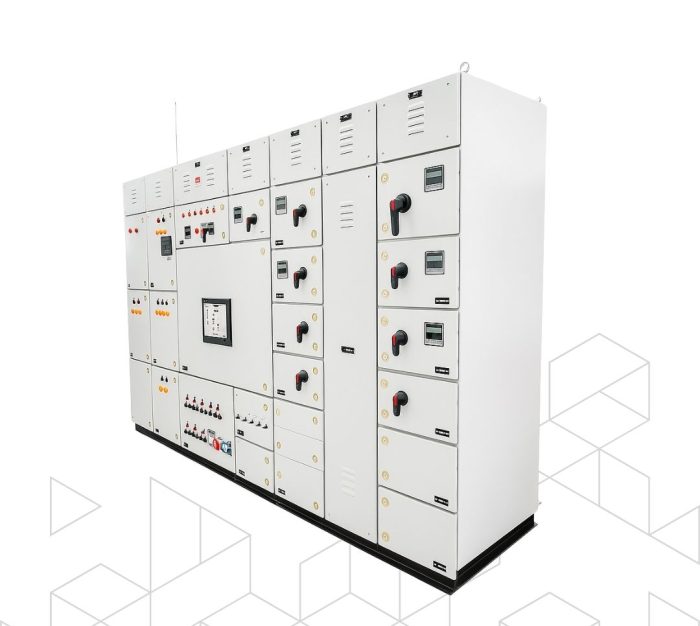
Plastic and polymer manufacturing units are among the most power-intensive industrial environments. From injection molding and extrusion to compounding, blow molding, and recycling, these processes rely on machines that draw heavy, continuous electrical loads. Any instability in power distribution directly impacts production quality, machine life, and operational efficiency.
In this context, PCC Panels for Plastic Industry play a central role. Power Control Center (PCC) panels are not just electrical distribution units; they are the backbone that manages high-energy loads, stabilizes power flow, and ensures uninterrupted operations in plastic manufacturing plants. Poorly designed PCC panels often result in frequent tripping, overheating, and unexpected downtime—issues that plastic manufacturers cannot afford.
Energy-Intensive Nature of Plastic Manufacturing
Plastic manufacturing equipment operates under demanding electrical conditions. Injection molding machines draw high peak loads during heating and clamping cycles. Extruders run continuously for long production shifts. Auxiliary systems such as chillers, compressors, dryers, and material handling units add further load complexity.
Because of this, PCC Panels for Plastic Industry must be designed to handle:
- Continuous high current demand
- Sudden load variations during machine cycles
- Simultaneous operation of multiple heavy machines
- Long operating hours without thermal stress
Generic power panels are rarely suitable for such environments. Plastic manufacturing requires PCC panels that are purpose-built for high-load, high-duty industrial applications.
How PCC Panels Stabilize Power in Plastic Manufacturing Units
In plastic plants, unstable power supply often leads to rejected batches, machine faults, and inconsistent product quality. PCC panels help stabilize the electrical system by managing how power is distributed across machines and process lines.
PCC Panels for Plastic Industry ensure balanced load distribution, preventing overloading of individual feeders. They also support controlled power delivery to sensitive equipment, reducing voltage fluctuations that affect heating elements and motor-driven systems. This stability directly improves process consistency and machine performance.
Managing Peak Loads and Continuous Operation
Plastic manufacturing rarely follows a fixed load pattern. Machines start and stop based on production schedules, mold changes, and material requirements. These frequent load variations place stress on the electrical distribution system.
Well-designed PCC Panels for Plastic Industry are engineered to manage both peak demand and continuous operation. They accommodate high starting currents, support parallel feeder configurations, and prevent nuisance tripping during load surges. This capability allows production teams to operate machines flexibly without worrying about electrical interruptions.
Reducing Downtime in Plastic Processing Plants
Downtime in plastic manufacturing is expensive. Restarting extrusion lines or molding machines often involves material waste, re-heating cycles, and production delays. Electrical failures at the PCC level can shut down entire sections of a plant.
By enabling structured power distribution and selective isolation, PCC Panels for Plastic Industry help contain electrical issues before they escalate. A fault in one machine feeder does not necessarily impact the entire plant, allowing other production lines to continue operating. This localized fault handling significantly improves plant uptime and operational reliability.
Supporting Auxiliary Systems in Plastic Manufacturing
Plastic plants rely heavily on auxiliary equipment—chillers for mold cooling, compressors for pneumatic systems, material dryers, and ventilation systems. These systems are critical for maintaining process quality and safety.
PCC panels act as the central coordination point for these auxiliary loads. PCC Panels for Plastic Industry ensure that both production machinery and support systems receive stable and protected power, maintaining overall plant efficiency. A failure in auxiliary systems can be just as disruptive as a machine shutdown, making reliable power distribution essential.
Scalability for Growing Plastic Manufacturing Units
Plastic and polymer plants often expand capacity by adding new machines, molds, or production lines. Electrical infrastructure must be able to support this growth without requiring a complete redesign.
PCC Panels for Plastic Industry are typically designed with future expansion in mind. Modular feeder arrangements, spare capacity, and structured layouts allow new equipment to be integrated smoothly. This scalability helps manufacturers grow operations while keeping electrical upgrades manageable and cost-effective.
Operational Safety and Compliance
High current levels and continuous operation increase electrical risks in plastic manufacturing environments. Overheating, insulation degradation, and arc faults pose safety concerns for both equipment and personnel.
By managing load distribution and fault isolation effectively, PCC Panels for Plastic Industry enhance operational safety. They support safer maintenance practices, controlled shutdowns, and compliance with industrial electrical standards. This is particularly important in plants operating around the clock with limited downtime windows.
Synchro Electricals designs PCC panels specifically for high-load industrial environments such as plastic and polymer manufacturing units. Their approach focuses on real production conditions—continuous operation, load variability, and expansion needs—ensuring PCC panels deliver reliable performance over the long term.
By aligning panel design with process demands, Synchro Electricals supports efficient energy management and stable operations in plastic manufacturing plants.
Conclusion
Plastic manufacturing units demand electrical systems that can handle high energy loads without compromising stability or safety. PCC Panels for Plastic Industry provide the control, reliability, and scalability required to support modern plastic processing operations.
By managing continuous loads, handling peak demand, and supporting both machines and auxiliary systems, PCC panels enable plastic manufacturers to operate efficiently and confidently. In an industry where power reliability directly affects productivity and quality, investing in the right PCC panels is a strategic decision, not just an electrical requirement.