
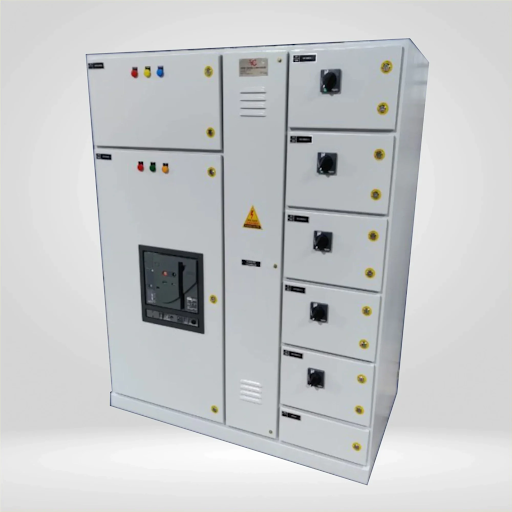
Lightning strikes pose a significant threat to outdoor electrical infrastructure, particularly ACDB panels (AC Distribution Boxes) used in renewable energy and telecom applications. As extreme weather events become more frequent, implementing robust lightning protection strategies has become crucial for maintaining system reliability and preventing costly equipment damage. This comprehensive guide explores proven methods to safeguard your outdoor ACDB panels and ensure uninterrupted operations.
Understanding Lightning Risks for Outdoor ACDB Panels
Outdoor ACDB panels face unique vulnerabilities due to their exposed installation environments. Lightning-induced surges can cause catastrophic damage to sensitive electrical components, leading to system downtime, expensive repairs, and potential safety hazards. For solar EPC companies and telecom operators, protecting these critical infrastructure components is essential for maintaining operational efficiency and meeting service level agreements.
ACDB panels for industrial applications are particularly susceptible because they often serve as central distribution points for multiple circuits. A single lightning strike can cascade through the entire electrical system, affecting downstream equipment and causing widespread outages. Understanding these risks is the first step in developing an effective protection strategy.
Primary Lightning Protection Systems
The foundation of any lightning protection strategy begins with a properly designed primary protection system. This involves installing lightning rods or air terminals at strategic locations around your facility, creating a preferential path for lightning strikes to reach the ground safely.
For facilities housing ACDB panels for solar systems, the lightning protection network should extend beyond the electrical enclosures to cover solar arrays, support structures, and associated equipment. The lightning protection system must be designed according to international standards such as IEC 62305, ensuring comprehensive coverage and reliable performance.
Proper grounding is equally critical. A robust grounding system provides a low-impedance path for lightning currents, reducing the risk of dangerous voltage buildup in ACDB panels and connected equipment. Ground resistance should be regularly tested and maintained to ensure optimal performance.
Surge Protection Devices (SPDs) for ACDB Systems
Secondary protection involves installing surge protection devices specifically designed for ACDB applications. These devices act as the second line of defense, clamping voltage surges that may bypass or overwhelm primary protection systems.
For solar ACDB manufacturers and users, selecting appropriate SPD ratings is crucial. Type 1 SPDs should be installed at the service entrance, while Type 2 SPDs provide protection at distribution levels. The coordination between different SPD types ensures comprehensive protection throughout the electrical system.
Modern ACDB boxes should incorporate built-in surge protection features. Leading ACDB manufacturers now offer integrated solutions that combine distribution functions with surge protection capabilities, simplifying installation while ensuring optimal protection levels.
Shielding and Enclosure Design
The physical design of ACDB panels plays a crucial role in lightning protection. Metallic enclosures provide natural shielding against electromagnetic fields generated by lightning strikes, but proper bonding and grounding are essential for effectiveness.
For ACDB panels designed for harsh outdoor environments, additional considerations include:
- Enhanced sealing: Preventing moisture ingress that could create conductive paths
- Robust construction: Using materials that can withstand electromagnetic stresses
- Strategic cable entry: Minimizing exposure points while maintaining functionality
- Proper ventilation: Ensuring adequate cooling without compromising protection
Solar panel protection box suppliers should prioritize designs that balance accessibility for maintenance with maximum protection against lightning-induced damage.
Installation Best Practices
Proper installation techniques significantly impact the effectiveness of lightning protection systems. Key considerations for ACDB installations include:
Location Selection: Position ACDB panels away from tall structures that might attract lightning strikes, while ensuring accessibility for maintenance and operations.
Cable Management: Use shielded cables where possible and maintain proper separation between power and communication lines. Avoid creating loops in cable runs that could increase magnetic coupling.
Bonding Requirements: Ensure all metallic components are properly bonded to the facility’s grounding system. This includes ACDB enclosures, cable trays, conduits, and support structures.
Regular Maintenance: Implement scheduled inspection programs to verify the integrity of grounding connections, surge protection devices, and overall system performance.
Advanced Protection Technologies
Modern lightning protection extends beyond traditional methods. Smart monitoring systems can detect lightning activity and automatically implement protective measures, such as temporarily disconnecting sensitive equipment or adjusting system parameters.
For industrial ACDB applications, consider implementing:
- Remote monitoring capabilities: Real-time status updates and fault detection
- Predictive maintenance: Using data analytics to anticipate component failures
- Integrated communication: Coordination with broader facility management systems
Synchro Electricals: Your Trusted Partner
As a leading ACDB manufacturer in India, Synchro Electricals combines decades of expertise with cutting-edge technology to deliver superior lightning protection solutions. Our comprehensive range includes ACDB panels for 5kW to 10kW solar systems and beyond, each designed with integrated protection features and built to withstand the harshest environmental conditions.
Our engineering team works closely with solar EPC companies and telecom operators to develop customized protection strategies that meet specific operational requirements while maintaining cost-effectiveness. From initial design consultation to ongoing maintenance support, Synchro Electricals provides end-to-end solutions that ensure your critical infrastructure remains protected and operational.
Conclusion
Effective lightning protection for outdoor ACDB panels requires a multi-layered approach combining primary protection systems, surge protection devices, proper enclosure design, and installation best practices. By partnering with experienced manufacturers like Synchro Electricals and implementing comprehensive protection strategies, organizations can significantly reduce lightning-related risks while maintaining operational reliability.
Investing in proper lightning protection today prevents costly downtime tomorrow, making it an essential consideration for any facility operating outdoor electrical infrastructure in lightning-prone environments.