
Energy Efficiency and Lighting Distribution Panels: A Game Changer for Commercial Real Estate

In the fast-evolving world of commercial real estate, energy efficiency is not just desirable—it’s essential for both economic performance and environmental responsibility. As buildings strive for greener operations, the humble lighting distribution panel has become a cornerstone of sustainable facility management. Modern business complexes, office buildings, and coworking hubs all depend on high-quality lighting panels to deliver reliable, efficient power to their ever-expanding lighting systems.

Why Lighting Distribution Panels Matter for Commercial Offices

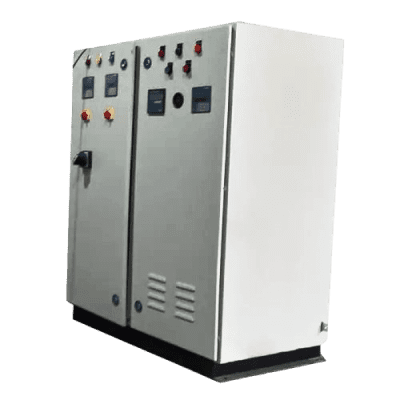
A lighting distribution panel—whether 3-phase for multi-floor buildings or single-phase for boutique offices—regulates and distributes electrical power to all the lighting circuits in a facility. In bustling corporate environments, smart lighting controls help balance the demands of energy savings and occupant comfort. Choosing the right panel isn’t just about reliability; it’s an investment in lower operating costs, premium safety, and future-ready scalability.

For commercial property managers and electrical contractors, there is an ever-increasing demand to:

  • Buy lighting distribution panels compatible with energy-efficient lighting (especially LED).
  • Order electrical lighting panels in bulk for new construction or renovations.
  • Find UL listed lighting distribution boards and IP-rated lighting control panels that meet stringent compliance codes for workplace safety and performance.
  • Secure wholesale lighting distribution panel deals with the best lighting panel prices, particularly for multi-unit commercial builds.

Features Making a Difference in Commercial Buildings

  • Energy Efficiency and Controls:
    Commercial buildings see significant gains from energy-efficient lighting panels that work seamlessly with timers, occupancy sensors, and daylight harvesting controls. Integration with LED lighting distribution box suppliers enables continuous savings and longer lamp life.
  • Custom Solutions for Diverse Spaces:
    Modern high-rises and business parks often require both 100a 3 phase panels for main distribution and custom lighting distribution panel manufacturers for unique, space-constrained layouts. Such flexibility makes it easy to scale up lighting systems as tenancies change or expand.
  • Safety and Compliance Built-In:
    For commercial buildings, building codes demand UL listed lighting distribution boards and IP-rated lighting control panels to guarantee safe operation under intensive daily use. In climates with high humidity or dust, these features are critical.
  • Professional Service:
    Many in the sector now seek out end-to-end solutions: from selecting the best panel to arranging lighting panel installation services and post-installation support for seamless building management.

How Lighting Distribution Panels Drive Results

  • Reduced Energy Bills:
    Smart distribution panels paired with LED lighting generate immediate, measurable savings across open-plan offices and shared spaces.
  • Increased Property Value:
    Efficient, compliant systems raise green building ratings—attractive to eco-conscious tenants and investors.
  • Operational Peace of Mind:
    With the ability to rapidly source and purchase lighting control boards, property managers stay ahead on upgrades, repairs, and code changes.

Lighting Distribution Panels: Not Just for Office Buildings

While this blog focuses on commercial real estate due to the sector’s huge demand and complex requirements, it’s important to acknowledge that these panels are the backbone of multiple industries:

  • Manufacturing & Warehousing:
    High-voltage, 220-440 Volt lighting distribution panels and ruggedized, IP-rated models keep lights running safely on busy shop floors and logistics hubs.
  • Healthcare Facilities:
    Hospitals demand high-reliability, UL-listed lighting panels for critical lighting, heavy-duty circuits, and compliance with medical safety codes.
  • Retail & Hospitality:
    Chain stores, shopping centers, and hotels order panels in bulk (wholesale lighting distribution panels) to standardize systems across locations and ensure consistent guest experiences.
  • Education & Public Infrastructure:
    Schools and transportation terminals benefit from energy-efficient lighting panels and lighting panel installation services that minimize downtime and optimize learning or commuting environments.

Making the Right Choice for Your Commercial Property

When planning a new build or retrofitting an existing office, remember to:

  • Analyze actual load requirements and future scalability.
  • Partner with reputable LED lighting distribution box suppliers for compatibility with energy-saving bulbs.
  • Compare features like 3-phase vs single-phase, amperage (such as 100a 3 phase panels), and protection ratings.
  • Seek custom lighting distribution panel manufacturers for non-standard projects.
  • Balance cost-effectiveness with long-term performance by reviewing the best lighting panel prices from certified distributors.

Conclusion

For commercial real estate professionals, investing in state-of-the-art lighting distribution panels isn’t just about lights—it’s about maximizing sustainability, safety, and building value. Properly selected panels slash energy bills, support green certifications, and future-proof your property investment. Partnering with a trusted supplier like Synchro Electricals, known for manufacturing high-quality, UL-listed, and energy-efficient lighting distribution panels, can set your building apart as a leader in efficient, modern operations. Whether you need panels for sale, installation, or bulk wholesale, Synchro Electricals offers customized solutions backed by expert support to make your property smarter, safer, and more sustainable.

Ready to step into the future? Explore your energy-efficient lighting panel options with Synchro Electricals today.
FAQS

1. Why should commercial buildings invest in energy-efficient lighting distribution panels?

These panels optimize LED lighting and smart controls, significantly reducing energy costs while improving occupant comfort and extending lamp life for sustainable operations.

2. What safety certifications and protection ratings must lighting distribution panels have?

Look for UL listed panels with IP42 to IP55 ratings to ensure safe operation, dust and moisture protection, and compliance with commercial building codes.

3. What materials and components ensure the durability of lighting distribution panels?

Panels are commonly made from powder-coated CRCA steel with magnetic-thermal MCB circuit breakers rated up to 9 kA for effective fault protection and long-term reliability.

4. How do lighting distribution panels support scalability in commercial properties?

Modern panels come in 3-phase configurations—often rated 100A or more—allowing easy expansion or customization as building lighting needs evolve or tenants change.

5. Can lighting distribution panels integrate with smart lighting controls?

Yes, they are designed to work with occupancy sensors, timers, and daylight harvesting systems, enabling automatic energy savings and operational efficiency in office environments.

Accelerating Business Growth Through Smart Lighting Distribution Panels

In today’s fast-paced business environment, energy efficiency and operational optimization are not just buzzwords—they are essential for growth and long-term sustainability. One of the most underappreciated yet powerful tools that businesses can leverage to accelerate growth is the lighting distribution panel.

While traditionally seen as a basic electrical component, the modern lighting distribution panel has evolved into a sophisticated system that plays a key role in energy management, cost control, facility automation, and even compliance. In this blog post, we’ll explore how upgrading or strategically deploying lighting distribution panels can significantly contribute to business growth.

Understanding Lighting Distribution Panels

A lighting distribution panel, sometimes called a lighting control panel or lighting panel board, is the hub from which power is distributed to various lighting circuits throughout a building. These panels serve to:

  • Distribute electrical power safely and efficiently.
  • Protect lighting circuits through fuses or breakers.
  • Enable localized control over lighting zones.
  • Integrate with automation and smart control systems.

Modern lighting distribution panels go far beyond the functionality of their older counterparts. They are now integrated with smart technologies, IoT-enabled systems, and energy monitoring features, which makes them a key player in sustainable infrastructure.

How Lighting Distribution Panels Accelerate Business Growth

Let’s explore specific ways in which lighting distribution panels contribute directly to a company’s success.

1. Reducing Operational Costs

Electricity is a major operating expense, especially in industries that require extended lighting hours like retail, warehousing, healthcare, and manufacturing. Smart lighting distribution panels enable granular control over lighting zones, allowing companies to:

  • Schedule lighting based on operational hours.
  • Dim or switch off lights in unoccupied areas.
  • Detect and respond to occupancy using sensors.

This precision in energy usage reduces electricity consumption by up to 30%, leading to substantial cost savings that can be reinvested into other growth initiatives.

2. Enhancing Employee Productivity

Lighting significantly affects the comfort and productivity of employees. Poor lighting can lead to eye strain, fatigue, and decreased focus. A smart lighting panel allows you to tailor lighting to specific tasks, zones, and employee preferences. For instance:

  • Offices can be outfitted with daylight-simulating LEDs that boost alertness.
  • Warehouses can use motion-activated lighting for increased safety.
  • Retail environments can leverage accent lighting to highlight key products.

When employees work in well-lit, comfortable environments, productivity increases, error rates drop, and job satisfaction rises—all of which contribute to better business performance.

3. Supporting Scalability and Expansion

As businesses grow, their electrical and lighting needs become more complex. A flexible, modular lighting distribution panel supports future scalability. Whether expanding a facility or opening new locations, modern panels allow for:

  • Easy addition of new circuits and lighting zones.
  • Integration with centralized or cloud-based management systems.
  • Minimal downtime during reconfiguration.

Businesses can scale their operations without undergoing a complete overhaul of their electrical infrastructure, thus accelerating expansion with minimal disruption.

4. Improving Sustainability and ESG Compliance

Environmental, Social, and Governance (ESG) metrics are becoming critical to investors, customers, and regulatory bodies. Lighting panels equipped with energy monitoring and automation features help companies:

  • Track carbon footprints from lighting systems.
  • Achieve green building certifications (LEED, BREEAM).
  • Meet governmental energy efficiency mandates.

Investing in energy-efficient lighting control not only reduces utility bills but also enhances a company’s reputation and appeal to eco-conscious consumers and investors.

5. Enabling Smart Building Integration

Modern lighting distribution panels can integrate with building management systems (BMS), enabling centralized control and automation. Through IoT and cloud-based platforms, businesses can:

  • Monitor energy usage in real-time.
  • Automate lighting scenes for events or changes in occupancy.
  • Predict maintenance needs and prevent equipment failures.

This level of smart control improves the operational efficiency of the entire building, leading to long-term cost reductions and improved uptime, both of which are critical for sustaining growth.

6. Enhancing Customer Experience

In customer-facing environments such as retail stores, restaurants, and showrooms, lighting plays a major role in shaping the customer experience. Smart lighting distribution panels allow businesses to:

  • Create customized lighting scenarios for different times of the day.
  • Highlight featured products with focused lighting.
  • Change lighting to match branding or promotional events.

An improved customer experience leads to higher satisfaction, increased dwell time, and ultimately, greater revenue per visitor.

Case Study: Retail Chain Expansion Powered by Lighting Optimization

A mid-sized fashion retail chain in the U.S. recently revamped its electrical systems by installing smart lighting distribution panels across all 50 locations. Before the upgrade, energy bills were inconsistent, maintenance was reactive, and store managers had little control over lighting conditions.

Post-upgrade, they experienced:

  • A 28% reduction in lighting-related energy costs.
  • Improved lighting aesthetics, increasing average shopping time by 15%.
  • Centralized lighting control, allowing corporate headquarters to push updates to all stores.

These improvements translated into an overall 12% increase in profit margins across locations, showcasing the ROI of investing in smart lighting infrastructure.

Considerations When Choosing a Lighting Distribution Panel

To ensure the lighting distribution panel truly supports business growth, it’s essential to select the right system. Here are key considerations:

  1. Load Capacity – Ensure the panel can handle current and anticipated future loads.
  2. Modularity – Choose systems that allow easy expansion or changes.
  3. Integration – Look for compatibility with BMS, sensors, and IoT platforms.
  4. Compliance – Verify adherence to local and international electrical codes.
  5. Vendor Support – Choose providers that offer long-term support and maintenance.

Investing in panels that meet these criteria will yield longer service life, fewer outages, and greater operational flexibility.

The ROI of Smart Lighting Distribution Panels

The upfront cost of upgrading to a modern lighting distribution panel might seem high, but the return on investment (ROI) is often realized within 2–3 years through:

  • Lower utility bills
  • Reduced maintenance costs
  • Improved workforce productivity
  • Greater customer satisfaction

Moreover, the data insights provided by smart panels can uncover additional savings and efficiency opportunities across the business.

Final Thoughts

In an era where operational efficiency, sustainability, and adaptability are key to competitive advantage, lighting distribution panels are no longer just components in an electrical system. They are strategic assets that can power business growth.

Forward-thinking businesses that recognize the potential of lighting control systems can unlock a host of benefits, from cost savings to productivity enhancements and improved scalability. If you’re planning your next phase of growth, consider whether your lighting infrastructure is ready to support that vision.

After all, in business, sometimes a brighter path forward begins with simply turning on the right light.

Frequently Asked Questions (FAQ)

1. What are Smart Lighting Distribution Panels?

Smart lighting distribution panels are advanced electrical panels equipped with sensors, connectivity, and automation features that allow businesses to monitor, control, and optimize their lighting systems in real time.

2. Are smart panels only useful for large businesses?

No. Businesses of all sizes can benefit. For small businesses, they help control utility bills. For larger enterprises, they offer scalability and advanced analytics for multiple locations.

3. Are smart lighting systems secure?

Yes, most modern systems come with strong cybersecurity protocols. It’s essential to work with reputable providers who offer encrypted communication and regular firmware updates.

4.How do smart panels impact employee productivity?

Consistent, well-controlled lighting reduces eye strain, boosts morale, and improves concentration, directly contributing to a more productive work environment.

5. What industries benefit the most from smart lighting distribution panels?

Industries like retail, manufacturing, hospitality, healthcare, and commercial real estate see significant advantages due to energy usage patterns and the need for consistent, safe lighting.

Welcome to Synchro Electricals

We provide trusted, high-performance electrical solutions tailored for every industry.

Apply For Job