
Textile dyeing units are among the most power-sensitive environments in the textile and apparel industry. Dyeing machines, jet dyeing systems, drying units, pumps, compressors, and chemical processing equipment create continuous and fluctuating electrical loads. Managing this electrical demand requires a stable power distribution system, and that is where PCC Panels become essential.
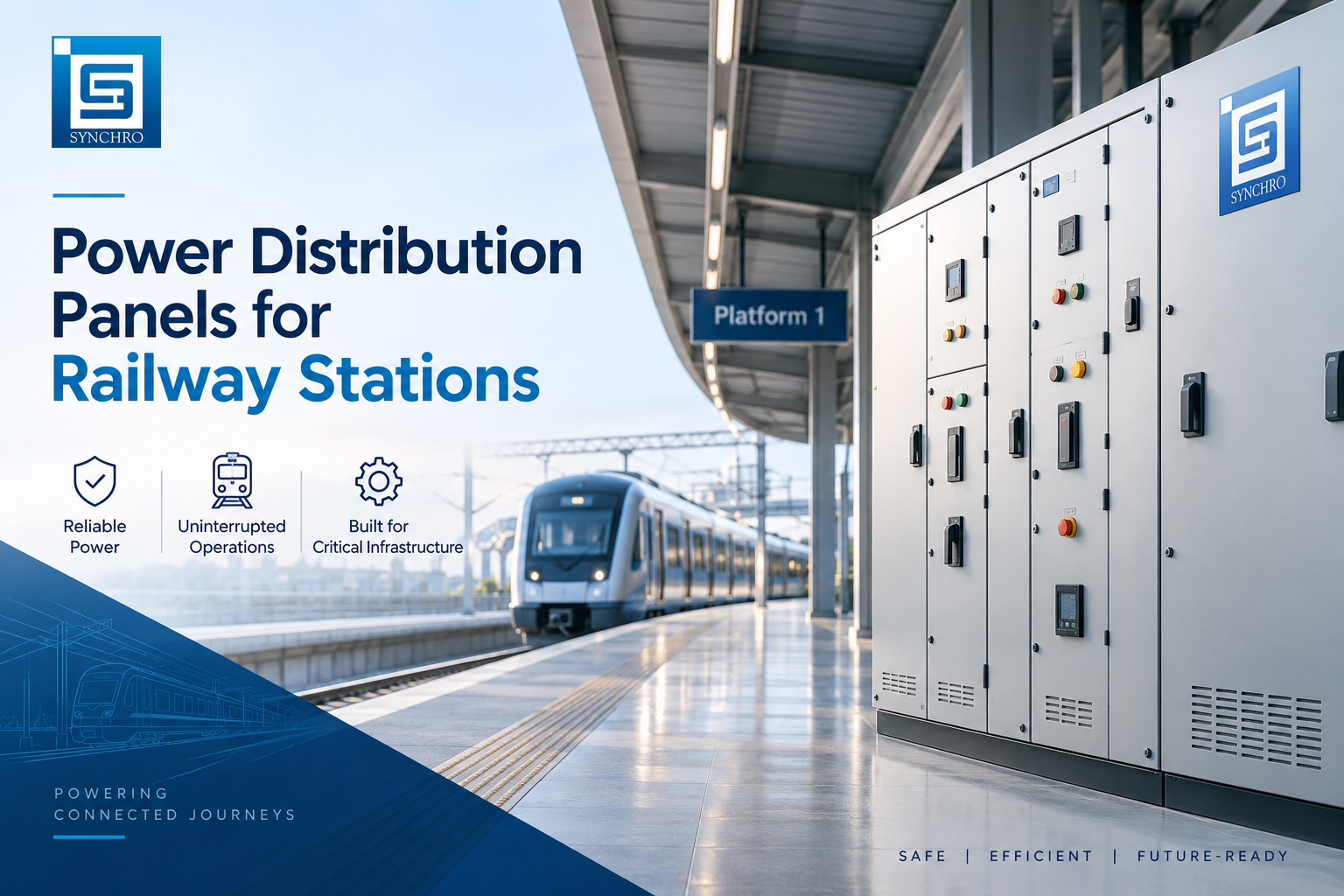
In modern textile dyeing plants, PCC Panels for Textile Industry serve as the main electrical distribution backbone, ensuring stable power delivery, controlled load distribution, and safe operation across dyeing machines and textile processing equipment. Without properly designed textile dyeing units often face voltage instability, equipment shutdowns, and production delays.
Power Challenges Inside Textile Dyeing Units
Textile dyeing operations involve complex electrical loads that fluctuate throughout the production cycle. Dyeing machines, textile processing motors, water pumps, chemical dosing systems, and drying equipment frequently start and stop depending on production stages.
These load variations place significant stress on the plant’s electrical infrastructure. Textile factories require PCC Panels for the textile industry that can manage heavy load fluctuations while maintaining stable voltage and power distribution. When dyeing machines operate simultaneously, power demand can increase rapidly, making it reliable for maintaining consistent plant operations.
In textile processing plants, improper power distribution often leads to machine faults, uneven dyeing processes, and unexpected production interruptions.
Managing High Load Variations in Textile Dyeing Plants
Dyeing plants rarely operate under constant load conditions. During heating cycles, dyeing machines draw large amounts of power, while auxiliary systems such as circulation pumps and dryers create additional demand.
PCC Panels are designed to manage these heavy and variable loads by distributing power across different sections of the textile plant. By balancing electrical loads and preventing overload conditions, panels help textile dyeing units operate efficiently even during peak production hours.
Reliable power distribution allows dyeing machines, textile dryers, and processing equipment to run smoothly without electrical disturbances that could affect product quality.
Supporting Continuous Textile Production
Textile manufacturing facilities typically operate for long production shifts, often running machines continuously to meet production targets. Power interruptions during dyeing processes can lead to material waste, inconsistent dye quality, and significant production losses.
This is why PCC Panels for the Textile Industry are designed to support continuous plant operation. By maintaining controlled power flow and preventing electrical overloads, PCC Panels ensure an uninterrupted power supply to textile dyeing machines, processing equipment, and plant utilities.
Stable electrical infrastructure allows textile manufacturers to maintain production consistency and avoid costly downtime.
Coordinating Multiple Systems in Textile Processing Plants
Textile dyeing plants include multiple electrical systems operating together. Dyeing machines, air compressors, water treatment systems, effluent treatment plants, ventilation systems, and heating equipment all rely on coordinated power distribution.
They act as the central control point that manages these systems. By distributing power safely across the textile facility, PCC Panels for the Textile Industry help ensure that both production equipment and supporting infrastructure operate reliably.
Without properly engineered PCC panels, electrical imbalances can disrupt entire textile processing lines.
Power Stability for Quality Dyeing Operations
Consistent electrical supply is crucial for maintaining dyeing quality. Variations in voltage or power supply can affect heating elements, circulation pumps, and automated control systems used in textile dyeing.
PCC Panels for the Textile Industry help maintain power stability by regulating electrical distribution and protecting textile machines from overload or fault conditions. This stability ensures that dyeing processes remain consistent, helping textile manufacturers achieve uniform color quality across production batches.
Expanding Textile Manufacturing Capacity
Many textile manufacturers expand their dyeing capacity by adding new machines or increasing production lines. Electrical infrastructure must support this growth without requiring major redesign.
PCC Panels are typically designed with scalability in mind, allowing textile plants to add new dyeing machines, dryers, and auxiliary equipment as production demand increases. This flexibility makes PCC panels a long-term solution for growing textile facilities.
Reliable Power Infrastructure for Textile Plants
Synchro Electricals develops PCC Panels for the Textile Industry designed specifically for textile manufacturing environments, including dyeing plants, processing units, and textile production facilities. Their solutions help textile manufacturers manage high electrical loads while ensuring safe and efficient plant operations.
Conclusion
Textile dyeing units require reliable electrical systems capable of handling heavy and fluctuating power loads. PCC Panels for the Textile Industry provide the structured power distribution necessary to support dyeing machines, textile processing equipment, and plant utilities.
By stabilizing electrical supply, managing load variations, and supporting continuous production, PCC Panels for Textile Industry play a vital role in ensuring efficient and reliable operations across textile dyeing plants.
FAQs
[saswp_tiny_multiple_faq headline-0=”h3″ question-0=”1. Why are PCC Panels for Textile Industry important in textile dyeing units?” answer-0=”<span style=”font-weight: 400;”>They manage high electrical loads from dyeing machines, pumps, dryers, and processing equipment, ensuring stable power distribution.</span>” image-0=”” fontsize-0=”18″ fontunit-0=”px” headline-1=”h3″ question-1=”2. How do PCC Panels for the Textile Industry handle load fluctuations?” answer-1=”<span style=”font-weight: 400;”>They distribute electrical loads across multiple feeders, preventing overload conditions during peak production.</span>” image-1=”” fontsize-1=”18″ fontunit-1=”px” headline-2=”h3″ question-2=”3. Can PCC Panels for the Textile Industry reduce downtime in textile plants?” answer-2=”<span style=”font-weight: 400;”>Yes. Reliable power distribution helps prevent machine shutdowns caused by electrical faults.</span>” image-2=”” fontsize-2=”18″ fontunit-2=”px” headline-3=”h2″ question-3=”4. Are PCC Panels for the Textile Industry suitable for large textile factories?” answer-3=”<span style=”font-weight: 400;”>Yes. They are designed to support heavy industrial loads and large-scale textile manufacturing operations.</span>” image-3=”” fontsize-3=”18″ fontunit-3=”px” headline-4=”h2″ question-4=”5. Can PCC panels support expansion in textile dyeing plants?” answer-4=”<span style=”font-weight: 400;”>Yes. </span><b>PCC Panels for the Textile Industry</b><span style=”font-weight: 400;”> are typically designed to allow additional machines and production lines to be integrated easily.</span>” image-4=”” fontsize-4=”18″ fontunit-4=”px” count=”5″ html=”true”]