

Components Of ATS / AMF Panel

Ensure Seamless Power Supply During Utility Failures

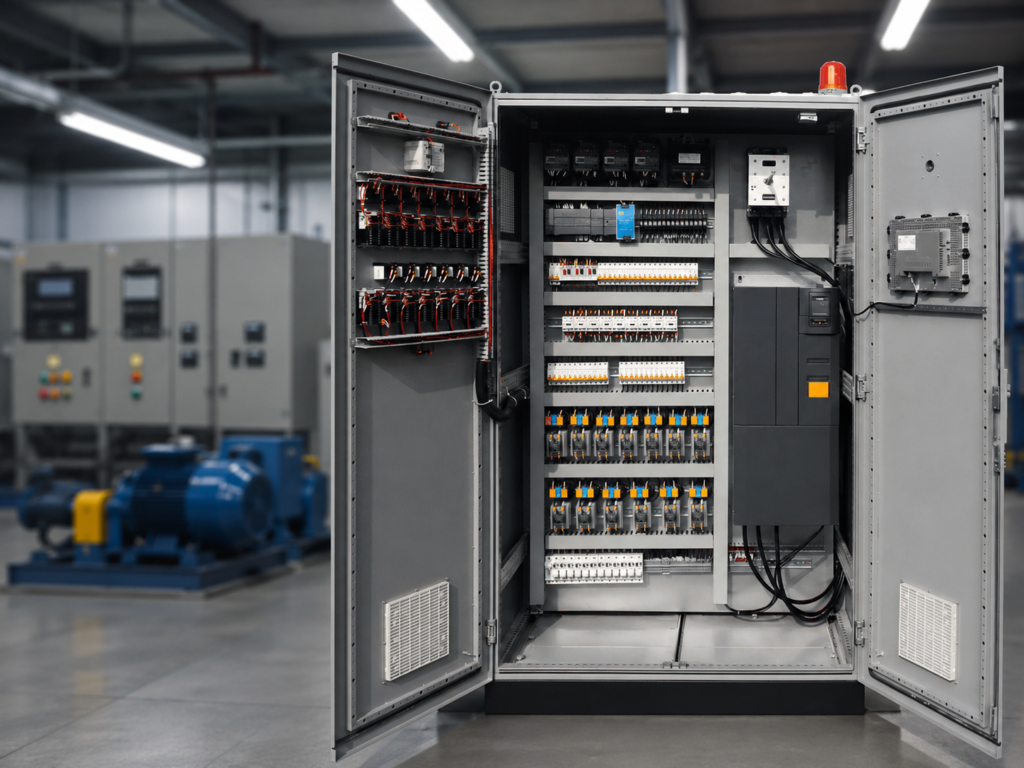
An ATS/AMF Panel is a critical power control solution that ensures uninterrupted power by automatically switching the load between the utility mains and a standby generator during power outages. This panel is essential for industries and facilities that require 24/7 power availability without manual intervention.
Key Benefits

Key Benefits of ATS/AMF Panels

6_industrial_durability_v2

Uninterrupted Power Supply

Switches seamlessly to generator power during outages.

icon_automation_control

Full Automation

No manual intervention needed for starting the DG or switching sources.

6_industrial_durability_v2

Protection-Driven

Prevents damage to connected loads and generators during transition.

3_multifunction_display_v2

Real-Time Monitoring

Displays all key power parameters to ensure visibility and control.

icon_durability_reliability

Reliable Operation

All parts are sourced from reputed OEMs for consistent performance.

6_industrial_durability_v2

Low Downtime Risk

Eliminates operational halts due to sudden power failures.
001 (1)
Applications

Industries That UseATS/AMF Panels

FAQ
If you have a power challenge, chances are we have already solved it
What is the difference between ATS and AMF?

ATS is the physical switching mechanism, while AMF is the logic controller that detects power failure and commands the ATS to switch sources.

The AMF panel will not allow the load to connect to any source and will indicate a fault condition through alarms and lamps.

Typically 5–15 seconds, based on timer settings, to allow safe start-up of the generator.

Yes, our expert engineers provide complete onsite support – from delivery to setup and commissioning.

Absolutely. We tailor panels to your power capacity, application, and operational environment.

Contact US
Contact Us for Tailored ATS/AMF Panel Solutions
Whether you’re building a new facility or upgrading an existing one, we offer custom-built ATS/AMF panels engineered for reliability, efficiency, and safety.

    Need More Information?