Monsoon is a season of life, lush greenery, and relief from scorching heat—but for industries, it’s also a season of risk. As factories, offices, hospitals, and data centers brace for the deluge, one often-overlooked aspect is electrical safety. Power infrastructure faces one of its toughest challenges during heavy rains. Water doesn’t need an invitation; it seeps, condenses, and corrodes with ease, wreaking havoc on sensitive systems. That’s where a Monsoon Electrical Safety Audit becomes essential.
And when it comes to thorough, industry-specific audits, Synchro Electricals stands at the forefront. Our preemptive inspections are tailored to different sectors, ensuring your operations continue smoothly, no matter how heavy the downpour.
Introduction to Monsoon Electrical Safety
The Electrical Perils of Monsoon Season
When the skies open up, it’s not just streets that get flooded — electrical infrastructure faces its own silent, creeping crisis. Water ingress in panel boards, cable trenches, substations, and control rooms can lead to catastrophic outcomes. Condensation inside sealed panels, arc tracking due to moisture, and corrosion in terminal connections are common monsoon-induced problems.
Industries experience fluctuating loads due to increased HVAC usage and power interruptions. Combined with aging infrastructure, the risk multiplies. Water acts like a hidden predator—it doesn’t just cause immediate short circuits but triggers long-term deterioration that slowly compromises system integrity.
A monsoon audit identifies and addresses these risks before the rains arrive, minimizing the chance of unexpected breakdowns, unplanned shutdowns, or even electrical fires.
Why a Monsoon Electrical Audit Matters
Electrical systems are built to handle heavy loads and routine stresses, but monsoon weather introduces factors they aren’t naturally designed to resist. Imagine your factory’s main distribution board getting fogged up, or condensation trickling onto high-voltage busbars—it’s a ticking time bomb.
This is why Synchro Electricals recommends annual monsoon audits for every industry. It isn’t just about preventing shutdowns. It’s about employee safety, asset protection, compliance with statutory regulations, and securing business continuity. A minor issue, if ignored, can escalate into a production halt or a fire incident.
What is a Monsoon Electrical Safety Audit?
Core Components of a Monsoon Audit
A Monsoon Electrical Safety Audit is a specialized, comprehensive assessment conducted before or during the rainy season to prepare and safeguard electrical installations against water-related hazards. It’s not your routine maintenance check — it’s a deeper dive into monsoon-specific vulnerabilities.
Core checks include:
- Insulation Resistance Testing (IR): To detect dampness and breakdown points in cables and switchgear.
- Thermal Imaging: To identify hotspots and overheating connections invisible to the naked eye.
- Visual Inspection: Spotting rusted terminals, water droplets, fogging in panels, and waterlogged trenches.
- Earthing System Verification: Ensuring earthing is continuous, robust, and moisture-resistant.
- Lightning Protection System Check: Confirming surge arrestors and lightning protection devices are functional.
- Emergency Backup Readiness: Verifying DG sets, UPS systems, and alternate power sources are monsoon-ready.
How Synchro Electricals Specializes in Monsoon Audits
Synchro Electricals understands that no two facilities have the same risk profile. A pharma plant’s cleanroom and a data center’s server farm require different safety protocols. That’s why our engineers craft customized audit plans considering operational priorities, equipment configurations, and infrastructure layouts.
What sets us apart is our diagnostic-driven approach. Alongside standard visual and insulation checks, we deploy:
- Digital Moisture Meters inside panel boards.
- Ground Loop Impedance Testers to verify earthing.
- Power Quality Analyzers to monitor transient voltages and harmonics during damp conditions.
We back every inspection with a detailed report outlining critical, major, and minor observations, complete with actionable recommendations, visual documentation, and maintenance schedules.
Why Monsoons Pose Unique Electrical Risks
Water Ingress and Moisture Condensation
Monsoon rains find their way into the most unlikely places. Even panels with IP55 or IP65 ratings can succumb to micro-leaks or loose gaskets. Moisture ingress is dangerous because it can cause insulation failure, rust, arc tracking, and even internal panel fires.
Condensation is another stealthy threat. With fluctuating temperatures, particularly between warm equipment and cool, rain-soaked surroundings, water droplets form inside panels and junction boxes. Left unchecked, this leads to progressive degradation of insulation, metallic corrosion, and short circuits.
During audits, Synchro Electricals uses thermal scanners and moisture meters to detect areas with abnormal temperature variations and water retention. This helps prevent latent faults that could otherwise manifest mid-season.
Impact of Humidity on Insulation and Panels
Humidity affects more than comfort levels; it significantly influences electrical system reliability. High ambient moisture levels reduce insulation resistance in cables and control wiring, increasing leakage current. This can trip protection systems or cause continuous nuisance faults that affect operations.
Aging installations are especially prone to insulation degradation. Paper-insulated cables, old porcelain insulators, and non-weatherproof switchboards become liability zones during rains.
Synchro Electricals recommends pre-monsoon IR testing of all feeders, motor connections, and control circuits to identify weak points and plan preventive maintenance.
Increased Load and Infrastructure Strain
The monsoon season often coincides with peak operational demand. Air-conditioning systems, dehumidifiers, and critical equipment run overtime, stressing existing infrastructure. If the electrical system isn’t audited for capacity, load balancing, and fault tolerance, it might buckle under pressure.
Many industries experience voltage fluctuations, harmonics, and power dips, leading to overheating of transformers, UPS units, and cables.
Synchro Electricals integrates load analysis into every monsoon audit to identify overburdened circuits and recommend balancing, component upgrades, or protective relays to safeguard assets.
Industries at High Risk During Monsoon
Manufacturing and Processing Plants
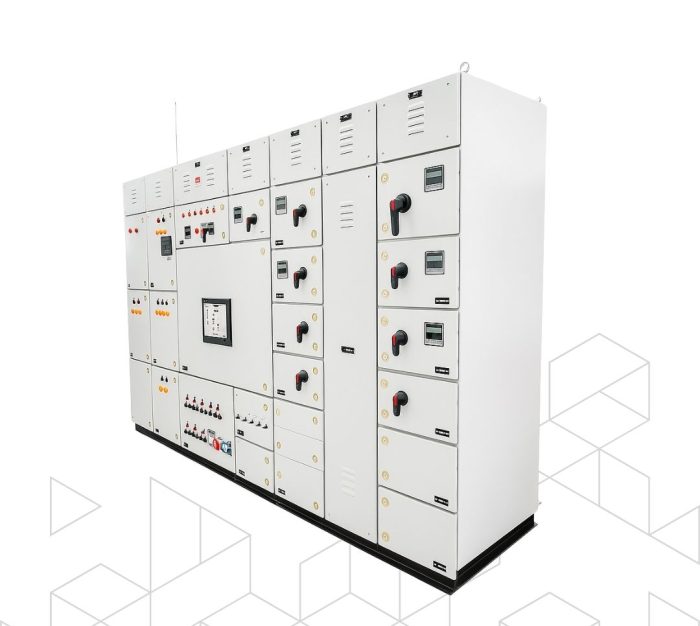
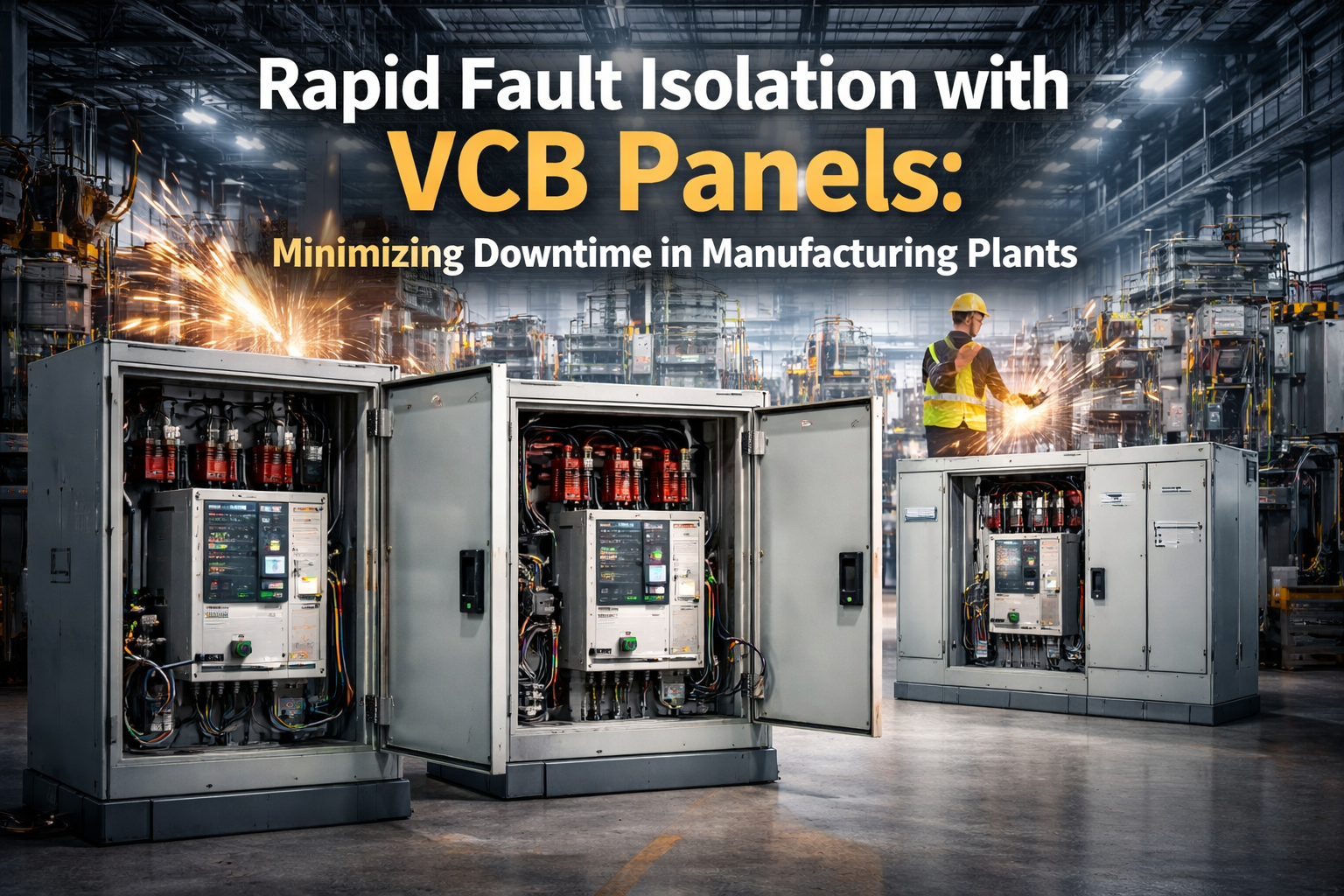
Factories and processing units are highly dependent on an uninterrupted electrical supply. Their operations hinge on intricate systems of motor control centers (MCCs), variable control breakers (VCBs), transformers, and automation logic. A single electrical failure during the monsoon season can halt production lines, damage expensive machinery, and delay critical orders.
Heavy rains increase the moisture content inside production facilities, affecting cable trays, control panels, and power lines. Water ingress in cable trenches and outdoor panels is common, leading to tripping, insulation failure, and corrosion.
At Synchro Electricals, we perform dedicated monsoon audits for manufacturing units by:
- Checking the water-tightness of panel boards.
- Verifying earthing continuity and earth pit resistances.
- Inspecting cable terminations and gland sealing.
- Performing IR and thermographic scanning on MCC, VCB, and LT panels.
- Ensuring drainage around outdoor substations.
We also recommend preventive measures like installing canopy covers, replacing rusted glands, and upgrading seals for outdoor junction boxes. Our audits ensure manufacturers stay operational, avoiding costly downtimes.
Pharmaceutical and Chemical Industries
In pharmaceutical and chemical plants, electrical safety isn’t just about operational continuity — it’s about human safety and regulatory compliance. These facilities often house explosion-proof (EX) zones where a minor electrical fault can trigger a catastrophic event.
Monsoon weather poses serious risks due to humidity and water intrusion affecting intrinsically safe circuits, control systems, and emergency power setups.
Synchro Electricals specializes in monsoon audits for pharma and chemical plants by:
- Inspecting ATEX-rated panels for signs of moisture, corrosion, or sealant degradation.
- Verifying the reliability of emergency generators and UPS systems.
- Checking waterproofing of cable glands, conduits, and junction boxes.
- Validating the grounding system’s resistance within explosion-proof areas.
- Confirming drainage systems around chemical stores and hazardous areas.
Additionally, we provide documentation suitable for audits by the FDA, ISO, or safety authorities, ensuring zero legal hassles for our clients.
Data Centers and IT Infrastructure
Data centers function on a simple rule: zero downtime. During monsoon months, high humidity threatens server farms, UPS systems, HVAC operations, and control rooms. Even a small moisture intrusion can damage servers, trigger fire alarms, and cause irreversible data loss.
Air-conditioning systems work harder during monsoons to maintain optimum temperature and humidity levels, increasing electrical loads. Water seepage in cable routes or electrical shafts can lead to silent, cumulative damages.
Synchro Electricals tackles this by conducting:
- Humidity-controlled electrical audits.
- Thermography of UPS and power distribution boards.
- Moisture level checks inside server room panels.
- Validation of earthing networks.
- Recommendations for dehumidifiers, sealed enclosures, and insulation monitoring systems.
Our audit ensures data centers don’t just survive the rains — they remain 100% operational without any electrical disturbances.
Hospitals and Healthcare Facilities
For hospitals, electrical stability is a matter of life and death. Operation theatres, ICUs, diagnostic equipment, and emergency wards rely on constant, clean power. A power outage, a spark, or a short circuit due to moisture can interrupt surgeries and critical care.
Monsoon-induced risks include condensation inside distribution boards, failure of UPS systems, lightning strikes, and ground faults due to water pooling around earth pits.
Synchro Electricals performs monsoon safety audits for healthcare facilities covering:
- Comprehensive IR testing of critical load circuits.
- Lightning arrestor system validation.
- Thermography of alternate power systems.
- Inspection of water-resistant enclosures for essential services.
- Moisture detection in diagnostic equipment power paths.
We ensure hospitals remain safe sanctuaries during storms, with all electrical systems protected and redundant backups tested.
Commercial Establishments and Office Complexes
Shopping malls, office towers, and business parks are highly vulnerable during the monsoon season. Their sprawling electrical networks, often running through basements and terraces, are prone to waterlogging and condensation-related issues.
A simple earth fault in the HVAC system, elevator panels, or main LT panel can disrupt building operations. Moreover, high humidity inside server rooms and panel compartments increases insulation breakdown risks.
Synchro Electricals addresses these challenges by:
- Inspecting cable trenches and basement installations for waterlogging.
- IR and thermography of main panels, elevators, and HVAC systems.
- Ground loop impedance tests.
- Ensuring surge protection systems and backup generators are ready.
- Moisture control recommendations for IT equipment rooms.
Our audit ensures commercial properties avoid power failures, fire hazards, and tenant inconvenience during the rains.
Common Electrical Issues Found During Monsoon Audits
Insulation Breakdown
Insulation acts like the invisible armor for your electrical systems. But during the monsoon, rising humidity and constant exposure to moisture slowly compromise this shield. Cable insulation starts absorbing water, leading to a sharp drop in insulation resistance (IR) values. What might appear as a minor issue today can evolve into a full-blown arc fault tomorrow.
At Synchro Electricals, insulation breakdown is one of the top issues we detect during monsoon audits. Our engineers conduct detailed IR testing across:
- Main incomer cables.
- Transformer terminals.
- Motor feeders.
- Control wiring inside MCC and VCB panels.
Any circuit displaying IR values below recommended safety limits is flagged for immediate action. Recommendations might include drying, re-terminating, or replacing affected cables. Additionally, we suggest applying moisture-resistant insulating varnish coatings on critical junction points.
Early detection through IR testing ensures industries avoid surprise shutdowns and equipment burnouts, saving lakhs in potential losses.
Moisture Ingress and Condensation
Water finds its way into everything — it seeps through minute gaps in panel gaskets, condenses on cool surfaces, and accumulates inside cable trenches. Moisture ingress is a silent killer in electrical systems. Panels might seem dry on the outside while hiding dangerous condensation droplets inside.
Synchro Electricals tackles this with dual-layer inspections:
- Visual Checks: Looking for fogging, water streaks, or corrosion stains inside panels.
- Thermal Imaging: Identifying cold spots inside electrical enclosures where condensation tends to accumulate.
We recommend installing silica gel packets, heater strips inside panels, and sealing upgrades for critical equipment. Moisture meters help in checking humidity levels inside panel boards, especially in basements and outdoor control rooms. Preventing moisture ingress isn’t just about safety; it directly improves equipment life and operational uptime.
Corroded Terminals and Busbars
Rust and oxidation don’t just look ugly — they’re active agents of electrical inefficiency and risk. Corroded terminals increase contact resistance, leading to localized heating, arcing, and eventual insulation burns. Monsoon rains accelerate corrosion in outdoor and semi-covered panels, especially where poor sealing or maintenance is evident.
During audits, Synchro Electricals frequently finds:
- Rusted cable lugs.
- Oxidized busbar joints.
- Corroded gland plates.
- Water-damaged terminal blocks.
We recommend immediate cleaning, application of anti-corrosion sprays, and, where necessary, replacement of affected terminals or busbars. In high-humidity areas, anti-condensation heaters and rust-proof terminal covers are advised to maintain safe and efficient power distribution.
Unstable Earthing Systems
A solid earthing network is your primary defense against electrical faults and lightning strikes. Unfortunately, water-logged earth pits, corroded earth conductors, and broken bonding points are commonly discovered during monsoon inspections.
When an earthing system weakens, fault current cannot safely dissipate, increasing the risk of electric shock, equipment damage, and fire.
Synchro Electricals ensures earthing safety by:
- Measuring earth pit resistance values.
- Inspecting pit chambers for water stagnation.
- Checking the condition of earth strips, rods, and bonding points.
- Verifying continuity in grounding networks across control panels and metallic structures.
Where resistance values exceed permissible limits, we advise pit chemical treatment, additional electrodes, or complete revamping of the earthing system.
Panel Hotspots and Overheating
Moisture-induced insulation breakdown and corrosion inevitably lead to increased contact resistance in panel connections. This results in localized heating or ‘hotspots’ — which, if undetected, can cause panel fires or severe equipment failures.
Synchro Electricals uses advanced Thermal Imaging Cameras during monsoon audits to detect these invisible danger points. We scan:
- Main distribution panels.
- MCCs and control centers.
- Transformer terminals.
- DG and UPS power systems.
Hotspots flagged in our thermal reports help maintenance teams take timely corrective actions like tightening connections, replacing overheated components, or adjusting load distribution.
The Role of Synchro Electricals in Monsoon Safety Audits
Customized Monsoon Audit Programs for Every Industry
One-size-fits-all doesn’t work in electrical safety, especially during the unpredictable monsoon months. Different industries have varied layouts, operational priorities, and electrical complexities. A pharma cleanroom isn’t the same as a factory shop floor or a data center server hall. That’s why Synchro Electricals customizes every single monsoon safety audit to suit your specific site conditions.
Our engineers start by understanding your operations, existing infrastructure, and environmental vulnerabilities. We map out audit schedules around operational hours to minimize disruption. From a large-scale cement plant with multiple substations to a compact corporate office with critical UPS rooms, we craft bespoke solutions.
Our customized audit checklist includes:
- Panel enclosure integrity and water-tightness checks.
- Cable trench inspections for waterlogging and protection.
- Earthing system performance analysis.
- Surge and lightning protection system validation.
- HVAC electrical system moisture management.
- UPS, DG set, and emergency power system readiness.
- Visual inspections, insulation testing, and thermography.
Every audit concludes with a comprehensive report, detailing faults, risks, actionable solutions, and post-monsoon maintenance recommendations.
Smart Tools and Diagnostic Technology
Gone are the days when electrical audits meant just a visual inspection and insulation reading. At Synchro Electricals, we bring cutting-edge diagnostic tools into our monsoon safety audits, identifying latent faults that conventional methods might miss.
Our standard audit toolkit includes:
- Thermal Imaging Cameras: Detect hidden overheating and potential fire points.
- Digital Insulation Resistance Testers: Measure insulation drop due to moisture.
- Moisture Meters: Check humidity levels inside panel boards.
- Ground Loop Impedance Testers: Ensure earth continuity and fault loop integrity.
- Power Quality Analyzers: Monitor harmonics and voltage instability during damp conditions.
This smart diagnostics-first approach drastically reduces electrical risk exposure and helps industries avert costly breakdowns.
Benefits of Conducting a Monsoon Electrical Safety Audit
1. Prevent Costly Breakdowns
Unplanned shutdowns hit hard, not just financially but also operationally. Short circuits, tripped panels, or blown fuses during rains cause massive production and service losses. A proactive Synchro Electricals audit detects weak points early, letting you fix issues before they escalate.
2. Enhanced Employee and Equipment Safety
Monsoon moisture, faulty insulation, and unstable earthing turn ordinary electrical systems into lethal hazards. Regular audits ensure systems are safely grounded, insulation is intact, and panels are watertight, safeguarding people and critical equipment.
3. Compliance with Legal and Industry Standards
Pharmaceutical, healthcare, IT, and chemical industries face strict regulatory checks. A documented audit report from Synchro Electricals helps meet local electrical authority norms, OSHA, ISO, and industry-specific safety protocols, reducing compliance risks.
4. Increased System Lifespan
Monsoon audits don’t just fix faults — they preserve your electrical infrastructure. Dry, corrosion-free, well-maintained systems last longer and perform more efficiently, offering excellent long-term ROI.
5. Peace of Mind During Harsh Weather
Knowing your plant, office, or facility has been professionally vetted before the rains brings priceless peace of mind. You stay focused on operations while Synchro Electricals takes care of your monsoon electrical safety.
What’s Included in Synchro Electricals’ Monsoon Audit Report?
Every Synchro Electricals monsoon audit concludes with a detailed, easy-to-understand report that doubles as a compliance document and an operational blueprint.
It includes:
- Summary of Findings: With thermal scan images and site photos.
- Risk Categories: Faults are classified as Critical, Major, or Minor.
- Corrective Action Plan: Practical, budget-friendly recommendations.
- Upgrade Suggestions: Component replacements, sealing improvements.
- Best Practices List: Electrical safety do’s and don’ts for monsoon.
- Post-Monsoon Care Tips: Maintenance practices to prolong equipment life.
This comprehensive report ensures your electrical maintenance team, auditors, and insurance providers have all the insights needed to secure your systems during and after the rains.
Conclusion
Monsoon is inevitable, but electrical failures and operational disruptions aren’t. A professional, well-planned Monsoon Electrical Safety Audit by Synchro Electricals helps industries identify hidden risks, prevent costly breakdowns, and comply with statutory regulations.
From manufacturing plants to hospitals and IT data centers, every sector faces unique electrical hazards during the rains. By integrating smart diagnostics, customized checklists, and actionable reporting, Synchro Electricals ensures your business stays safe, productive, and compliant — no matter how wild the weather gets.
If you haven’t scheduled your monsoon audit yet, now’s the time. Don’t let the rains catch you off guard.